Classic Smoking Experience: Shop Weed Pipes in Glass, Wood, Metal & More!
Smoke & Vape stocks a curated selection of pipes engineered for longevity and ease of maintenance. Explore our inventory of glass and metal options, including the rugged Dangle Supply Ti Cobb Titanium Pipe, designed for superior heat dissipation. We support every purchase with a price‑match policy, a 30‑day satisfaction guarantee, and up‑to‑one‑year warranties on select products. Free shipping is also available on all orders over $49 throughout Canada.
Classic Smoking Experience: Shop Weed Pipes in Glass, Wood, Metal & More!
Smoke & Vape stocks a curated selection of pipes engineered for longevity and ease of maintenance. Explore our inventory of glass and metal options, including the rugged Dangle Supply Ti Cobb Titanium Pipe, designed for superior heat dissipation. We support every purchase with a price‑match policy, a 30‑day satisfaction guarantee, and up‑to‑one‑year warranties on select products. Free shipping is also available on all orders over $49 throughout Canada.

 NEWNew arrival
 NEWNew arrival
-
![Twenties Collection Ashtray: Clear cut-glass ashtray with diamond-cut pattern, round shape, and rim notches, crafted from durable borosilicate glass for stylish, functional use.]()
![Twenties Collection Ashtray features a round, textured design with three cigarette rests, crafted from durable borosilicate glass for stylish and practical desktop use.]() NEWNew arrival
NEWNew arrival -
![Twenties Collection Hand Pipe with a clear, textured base and angled mouthpiece, crafted from durable borosilicate glass for stability and comfortable use.]()
![Twenties Collection Hand Pipe in cobalt-blue glass, features a textured bowl and long mouthpiece, designed for stability and secure grip.]() NEWNew arrival
NEWNew arrival -
![4 Terminator Hand Pipe made of iridescent borosilicate glass, featuring a spiral-textured handle, rainbow sheen, and geometric logo on the bowl.]()
![The 4 Terminator Hand Pipe features a spiral-twist grip and iridescent finish, showcasing its ergonomic design and built-in honeycomb screen for smooth use.]() NEWNew arrival
NEWNew arrival 
 NEWNew arrival
-
newNew arrival
-
newNew arrival
-
newNew arrival
-
newNew arrival
-
newNew arrival
-
NewNew arrival
-
newNew arrival
-
newNew arrival
 NEWNew arrival
 NEWNew arrival
-
![Highball Pipe: Amber glass pipe in classic briar shape, featuring a diamond-cut textured bowl and stem, crafted from durable borosilicate glass.]()
![Highball Pipe]()
![Highball Pipe made of green-tinted, hand-blown glass with a textured stem and diamond-cut detailing, showcasing sophisticated craftsmanship for modern smoking.]()
![Hand-held Highball Pipe made of cobalt-blue glass, featuring a rounded bowl, textured body, and narrow stem; showcases hand-blown borosilicate craftsmanship with intricate detailing.]()
![Highball Pipe: Pink glass hand pipe with diamond-cut bowl, angled stem, and curved mouthpiece, crafted for smoking loose leaf herbs or tobacco.]() NEWNew arrival
NEWNew arrival -
![Symi Ashtray with a terrazzo concrete base and removable translucent green borosilicate glass top featuring cigarette grooves and a central raised knob.]()
![Symi Ashtray]()
![Symi Ashtray featuring a terrazzo-style concrete base with a swirled-blue glass insert, notched for cigarettes, highlighting its vintage-modern design.]()
![Symi Ashtray with terrazzo base and pink borosilicate glass lid, featuring grooves and knob, designed for modern functionality and vintage-inspired aesthetics.]() NEWNew arrival
NEWNew arrival -
![4.5 Terminator Infinity Bowl Hand Pipe - Square, featuring a geometric glass bowl with an iridescent stem, beside its branded Red EyeTek cylindrical storage container.]()
![4.5 Terminator Infinity Bowl Hand Pipe - Square, showcasing a cube-shaped bowl with angular lines, next to a branded Red Eye Tek metal storage tube.]() NEWNew arrival
NEWNew arrival -
![4.5 Solid Colour Spoon pipe in iridescent glass with a rounded bowl, straight stem, carb hole, built-in ash catcher, and screen for smooth use.]() NEWNew arrival
NEWNew arrival -
NEWNew arrival
-
NEWNew arrival
-
![GEAR Premium 3.75 Hand Pipe: Amber-yellow glass pipe with built-in ash catcher mouthpiece, showcasing a 24K gold decal for an elegant, compact design.]() NEWNew arrival
NEWNew arrival -
![5 Sherlock Hand Pipe features a black glass design with a curved stem, REDEYEGLASS branding, and an engraved all-seeing eye logo on the bowl.]()
![5 Sherlock Hand Pipe in amber borosilicate glass, featuring a rounded bowl, carb hole, mouthpiece, and REDEYEGLASS branding along the stem.]()
![Green 5 Sherlock Hand Pipe by Red Eye Glass® with a curved stem, rounded bowl, and “REDEYEGLASS” branding, crafted from hand-blown borosilicate glass.]() NEWNew arrival
NEWNew arrival -
NEWNew arrival
-
NEWNew arrival
-
NEWNew arrival
-
NEWNew arrival
-
NEWNew arrival
-
NEWNew arrival
-
NEWNew arrival
-
NEWNew arrival
-
NEWNew arrival

 NEWNew arrival
-
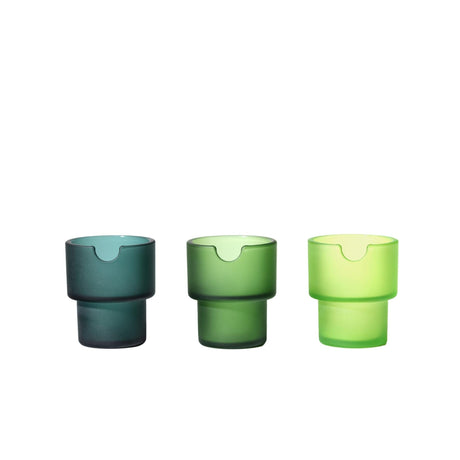
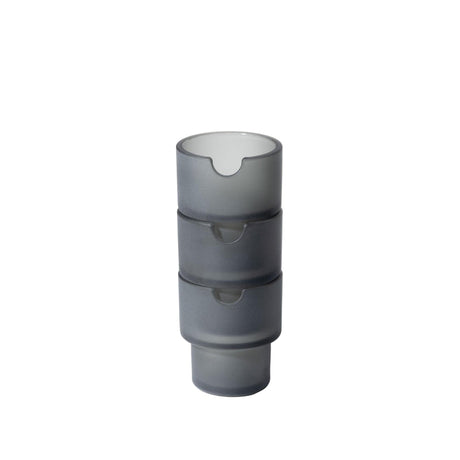
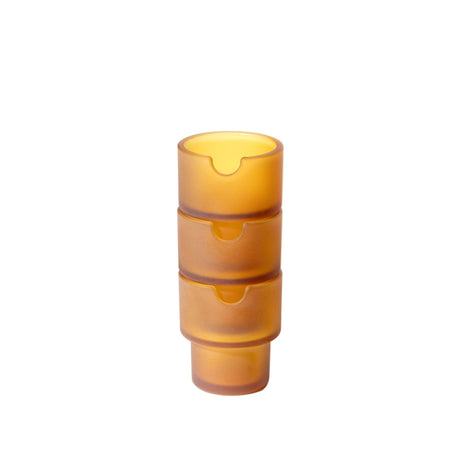
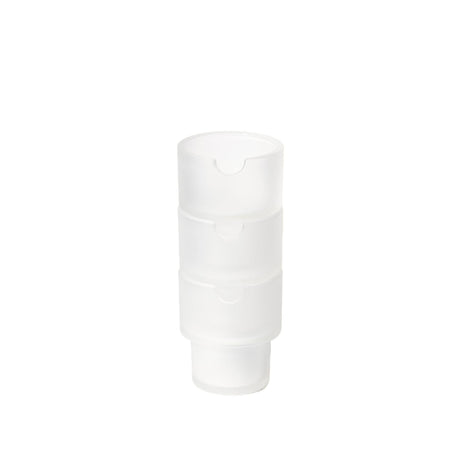
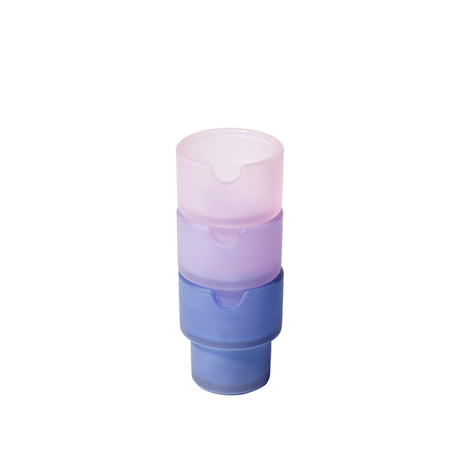
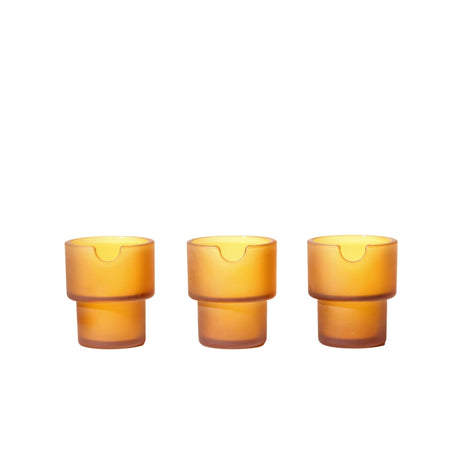
![Stack of three frosted-glass vessels from the Flower Pots Ashtray Set, featuring a half-moon notch for easy stacking and a sandblasted texture.]()
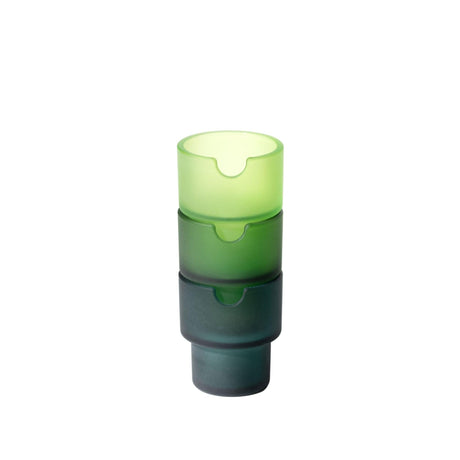
![Stacked Flower Pot Ashtray Set in frosted glass, featuring a semicircular notch for nesting. Combines minimalist design with functional grooves for accessories.]()
![Flower Pots Ashtray Set: Three-tiered stack of translucent cups with semicircular notches, handcrafted from durable glass, blending minimalist design with functional art.]()
![Flower Pots Ashtray Set featuring a stackable, cylindrical design with frosted, translucent drawers and semicircular cut-outs for easy access, blending form and function.]()
![Flower Pots Ashtray Set in frosted pastel ombré, stackable design, handcrafted from borosilicate glass with sandblasted exterior and functional grooves for accessories.]() Back in StockUp to 25% off
Back in StockUp to 25% off -
13% off
-
25% off
-
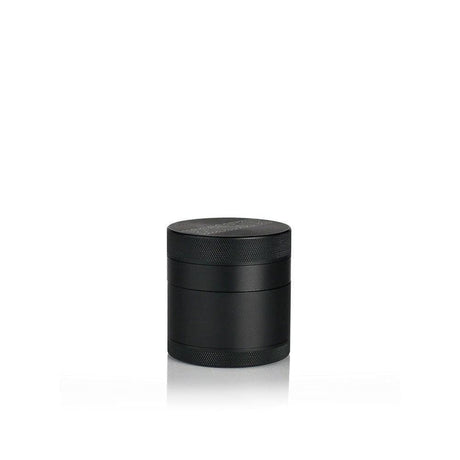
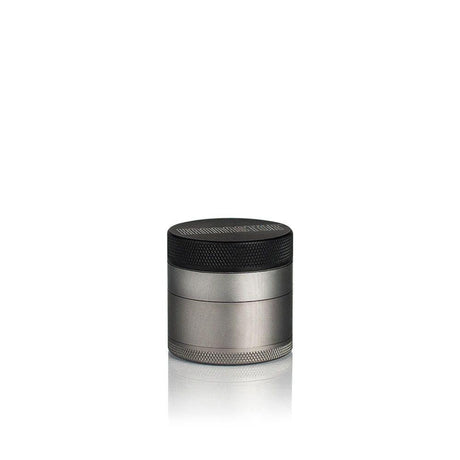
![Kannastör 4pcs Aluminum 1.5 Solid Body Grinder, a sleek round metal cylinder with a secure black top, designed for efficient and precise herb grinding.]() Up to 77% off
Up to 77% off -
25% off
-
![Metal Dugout Grinder: four matte-black aluminum pieces including a screw-on lid, magnetic lid, one-hitter tool, and dugout box with astronaut graphic, GET LOST text.]()
![Pocket-sized Metal Dugout Grinder by GET LOST featuring a black one-hitter pipe, screw-on lid ashtray, and stash box with astronaut design.]()
![Metal Dugout Grinder featuring GET LOST lid, silkscreened astronaut case, and components for discreet storage and smoking, including a filter-tip holder and rolling tray.]() NEWUp to 25% off
NEWUp to 25% off -
25% off
-
50% off
-
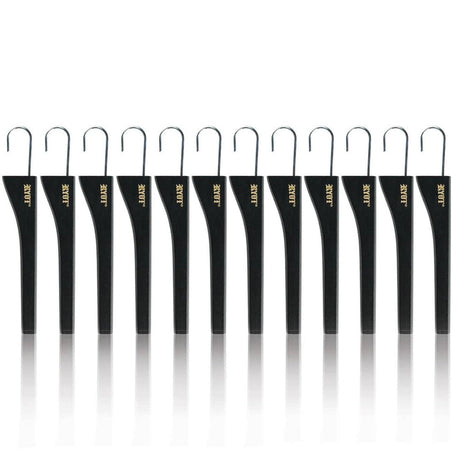
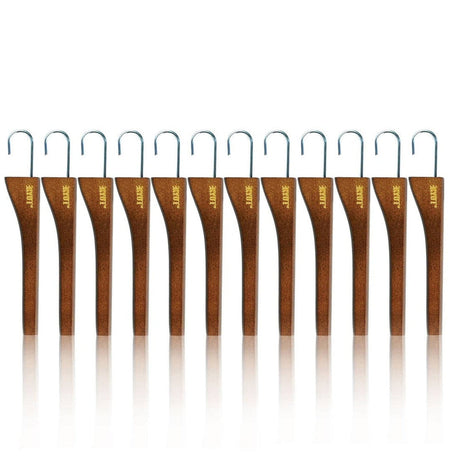
![RYOT - Large Walnut Poker Sleeve (12-Pack)-Turning Point Brands Canada]() Up to 50% off
Up to 50% off -
50% off
-
50% off
-
50% off
-
50% off
-
50% off
-
50% off
-
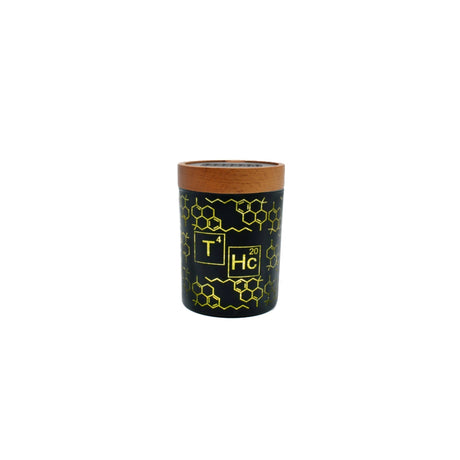
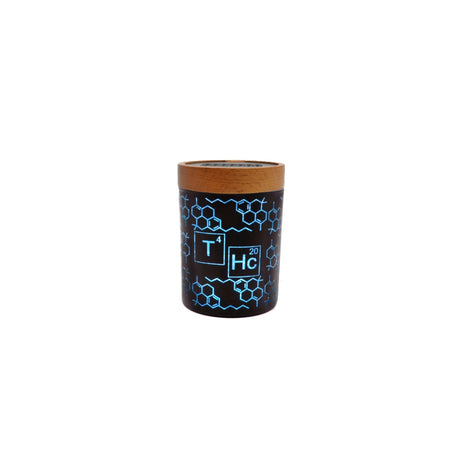
![Smart Stash Built-In Grinder Storage Jar - Small, featuring a sleek design with a built-in grinder plate and humidity control for optimal flower freshness.]() Up to 50% off
Up to 50% offV-Syndicate
Smart Stash Built-In Grinder Storage Jar - Small
$1400 CAD$2799Unit price /Unavailable











Pipes Are All About Choosing Your Ritual First
Smoke & Vape’s pipe lineup isn’t built around one “right” way to smoke, it’s built around how you actually like to use a piece. The real decision is whether you want a simple dry pipe you can pocket and clear in one breath (like a one hitter or chillum), or a small water piece that smooths things out but asks for a little more setup and cleanup (like a bubbler). From there, material does the rest of the talking, borosilicate glass for clean taste and style, silicone when drops are part of life, and ceramic or titanium when you want something that feels solid and lasts. Once you know your format and material, picking a piece is straightforward, because you’re not guessing at what you’ll enjoy using every time you pack a bowl
| Product | Best For | Why We'd Recommend It | One Thing to Know |
|---|---|---|---|
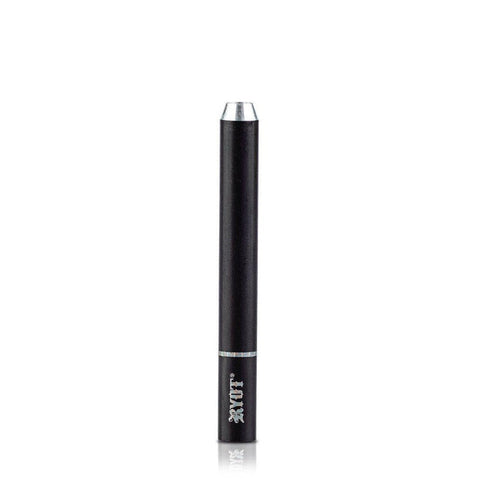 RYOT 9mm Slim Anodized Aluminum One Hitter |
Someone who wants a quick, discreet hit that looks like a cigarette | Its sleek, cylindrical body is designed to mimic a cigarette for low-key use on the go. | This is a minimalist one-hitter, so you'll be repacking it often for longer sessions. |
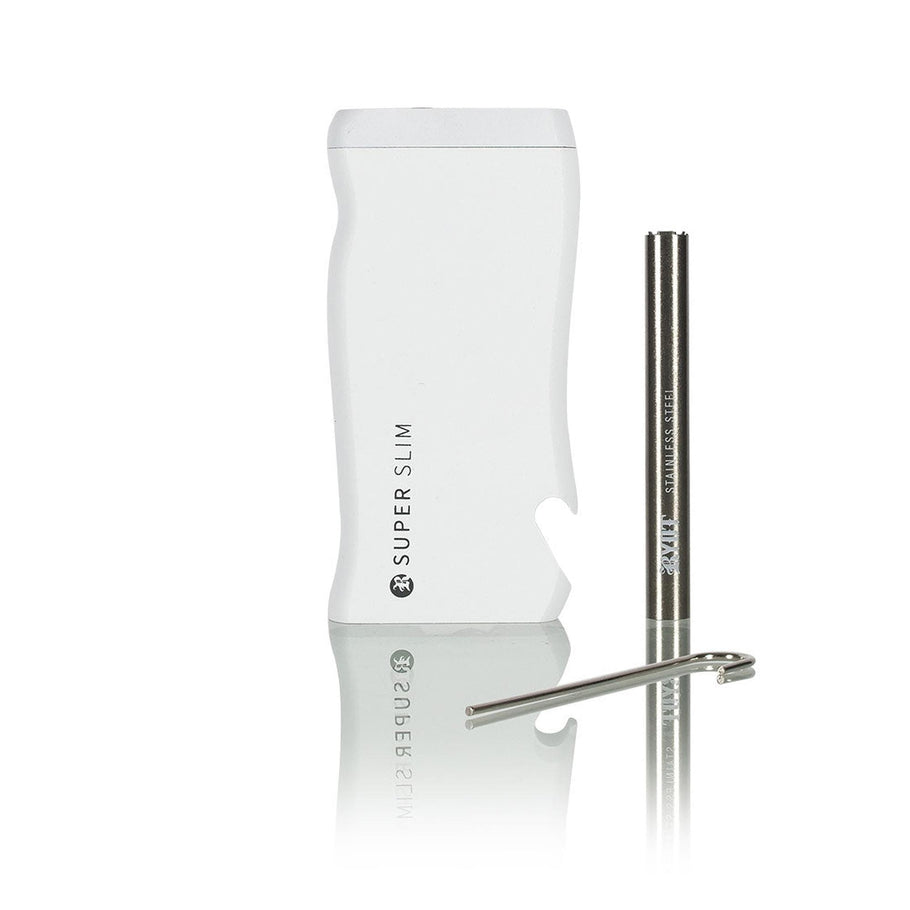 RYOT Super Slim Aluminum Dugout - Powder Coated |
Everyday users who want an all-in-one system for their one-hitter and herb | The super slim design houses a one-hitter and dry herb, keeping everything together in your pocket. | You're getting a powder-coated finish, which can show wear and tear over time. |
 Jane West Twenties Collection Hand Pipe |
Those who appreciate a tabletop-friendly pipe with a touch of elegance | Made from durable borosilicate glass with a textured design and a flat base, it sits securely on any surface. | It's a dry pipe, so you won't get the water filtration or cooling of a bubbler. |
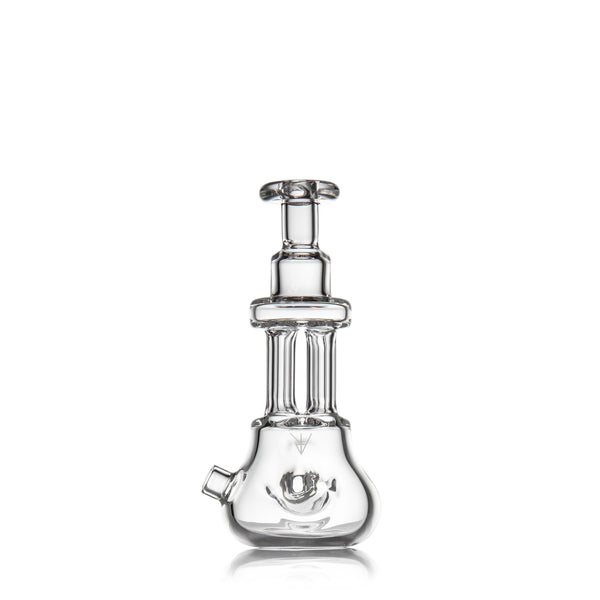 MJ Arsenal Tetra Hand Pipe - Clear |
Compact water filtration that smooths out hits without a bulky rig | This mini water pipe uses a beaker base and internal percolator for filtered draws in a small package. | The small water chamber means you'll need to change the water frequently to keep things fresh. |
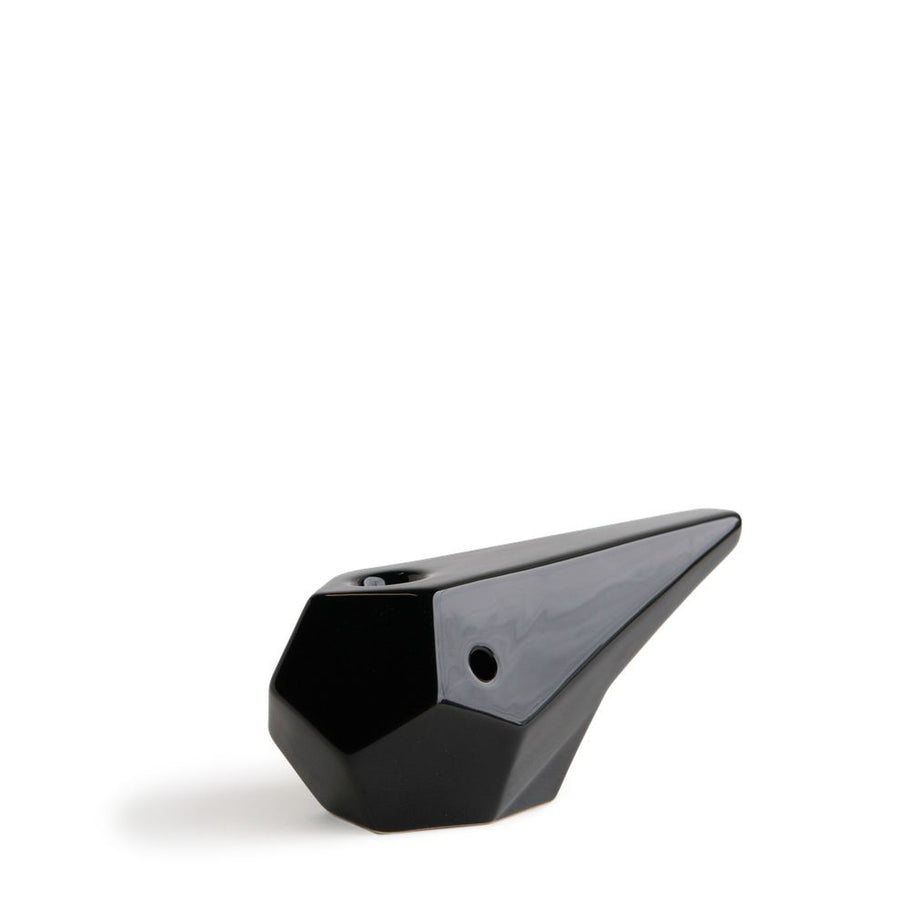 BRNT Designs Prism Ceramic Pipe |
Someone looking for a durable, dry pipe with cooler, ergonomic hits | Its ceramic build and integrated airflow holes help cool your smoke, and it fits comfortably in your hand. | Ceramic is great for cooling, but it's not transparent, so you can't see the smoke path. |
When you're choosing a pipe, it comes down to portability and how you want your smoke filtered. If you're looking for quick, discreet hits on the go, a dugout or slim one-hitter is your best bet; they keep things minimal. For a smoother experience at home, grab a glass hand pipe if you want a dry draw, or step up to a mini bubbler for water-filtered coolness without a large setup.
Pipes That Actually Fit How You Smoke
A pipe looks simple, but little design choices change how it hits, how often you’re cleaning, and how annoying it is to keep loaded. In this guide, we’ll break down what “smooth,” “discreet,” and “easy to maintain” really mean in pipe terms, so you can judge any piece on the page like you’ve owned it before.
How Pipe Format Changes Heat and Harshness
A dry hand pipe delivers smoke straight to you with no water stage to cool it down, so your pull speed and how close the flame sits to the pack matter more than you’d think. Bubblers add a water chamber, which forces smoke through water before it reaches your mouth, stripping heat and catching some ash along the way. The tradeoff is simple: that smoother feel comes with water management, and smaller tabletop pieces like the NWTN HOME Vesper Bubbler or MJ Arsenal Tetra Hand Pipe - Clear need frequent water changes because the chamber is compact. People new to bubblers often blame the piece for tasting “off” when it’s really yesterday’s water and trapped residue doing the work.
What Bowl Depth and Shape Do to Burn Consistency
A deeper bowl holds more, but it also makes it easier for the top layer to char while the bottom stays unlit, especially if you light in one spot and pull hard. Wider, more open bowls tend to burn more evenly because the flame can contact more surface area at once, which reduces that half-burnt, half-green problem. It’s why a classic spoon shape like the Human Grade Spoon Pipe Model A has a different rhythm than a one-hitter, where the pack is smaller and the burn front moves fast. At Smoke & Vape, a common frustration we hear isn’t “this pipe doesn’t work,” it’s “I’m wasting herb,” and bowl geometry is usually the culprit.
Why Carb Holes Aren’t Just a “Bonus Feature”
A carb is a controlled air inlet, it lets you change the air to smoke ratio mid-pull to clear stale smoke out of the bowl and stem. With a carb, you can take a slower, lower-heat pull to get things going, then open it to clear the chamber without overcooking the pack. Skip the carb and you’re clearing by brute force, which usually means harder draws, hotter hits, and more ash movement. If you’ve ever wondered why some pipes feel easy to “clear” and others always feel like they’re dragging, it’s often carb placement and how much extra air it can actually introduce.
How Materials Affect Taste, Durability, and Day-to-Day Care
Borosilicate glass is popular because it’s neutral on taste and doesn’t hold odour the same way porous materials can, plus it lets you see buildup before it becomes a problem, like on the Jane West Twenties Collection Hand Pipe. Ceramic changes the feel in your hand and the way heat sits on the surface, but you won’t be able to see the smoke path or residue, which is why ceramic pieces like the BRNT Designs Prism Ceramic Pipe reward a consistent cleaning routine. Metal one-hitters and bats keep things pocketable, but resin accumulates in tight passages fast, and the “it’s small so it stays cleaner” assumption is backwards. If easy cleaning is a priority, grab something you can access and scrub, even a basic tool like Randy’s 6" Tapered Bristle Pipe Cleaner makes a bigger difference than people expect.
What Makes One-Hitters and Dugouts Actually Work in Real Life
A one-hitter is designed for tiny packs and fast clears, which is why pieces like the RYOT 9mm Slim Anodized Aluminum One Hitter feel discreet but require frequent repacking during longer hangs. Dugouts solve the “where do I put everything” problem by combining storage and the hitter in one case, like the RYOT Super Slim Aluminum Dugout - Powder Coated, but they also introduce maintenance points, namely keeping the storage area dry and the hitter tube from getting tarred shut. Resin isn’t just sticky, it narrows airflow, so a dugout that feels clogged isn’t “done,” it’s usually telling you the airway needs a proper pass with a brush. The mistake is waiting until it’s completely blocked, then blaming the design instead of the buildup.
Frequently Asked Questions
What type of smoking pipe is best for a first-time cannabis smoker?
A classic glass spoon pipe is easily the most forgiving starting point if you're new to smoking. They have no moving parts, they don't require water setup, and they put the whole process right in front of your eyes. Because they are made of glass, you can physically see the smoke filling the chamber, which helps you learn how hard to pull and when to clear it.
The HMP 4" Glass Spoon is an ideal example of this format. It gives you a straight, predictable air path and a visible bowl, making it incredibly simple to pack and light. You aren't guessing where the smoke is going or wondering if you pulled too hard. Glass also leaves the flavour of your herb completely untouched, so you learn what your material actually tastes like rather than tasting hot metal or silicone.
The other benefit for beginners is the carb hole on the side. Covering and releasing the carb is the best way to learn heat control. You hold it down to build smoke, then release it to clear the chamber without burning your throat. A simple piece like the Human Grade Spoon Pipe Model A forces you to figure out this basic rhythm, which makes you better at using any other piece you buy later.
The only real drawback for a first-timer using glass is the drop risk. Borosilicate glass is sturdy, but it definitely can break. If you know you're prone to dropping things, you might be tempted by a metal pipe. Just remember that metal heats up quickly and makes hits feel much hotter. For learning the ropes, taking a bit of care with a glass spoon pays off with a much smoother learning curve.
What’s the difference between a spoon pipe and a Sherlock-style hand pipe?
The difference between these two shapes comes down to ergonomics and where the bowl sits relative to your face. A spoon pipe is basically a straight horizontal line. When you light a spoon, the bowl is right under your nose. This makes for a compact profile that slides into a pocket easily, but it also means the heat and smoke are quite close to your eyes while you light the bowl.
A Sherlock-style pipe changes that geometry completely. Pieces like the Red Eye Glass 5" Sherlock Hand Pipe have a deep curve that drops the bowl down before routing the smoke up into the mouthpiece. This bend acts like a natural physical barrier, putting more distance between the flame and your face. It also drops the bowl slightly out of your direct line of sight, which many people find makes lighting a more relaxed, comfortable motion since you're looking slightly downward.
The curved stem on a Sherlock also adds physical length to the air path without making the overall footprint too long. That extra travel distance gives the smoke an extra second to cool before it hits your lungs. It isn't the exact same cooling effect as water filtration, but it definitely takes a bit of the edge off compared to a short, straight spoon like the Red Eye Glass 4.5" Solid Colour Spoon.
What you give up with a Sherlock is pocketability. That curved stem shape makes it awkward to carry in a pair of jeans, so it's usually better suited as an at-home piece that lives on your coffee table. If you just need something to throw in a bag for a hike, a traditional spoon is significantly more practical.
What’s the difference between a one-hitter and a chillum?
The names are often used interchangeably, but there is a clear difference in bowl size and how you're meant to use them. A true one-hitter is exactly what the name implies. The bowl is just large enough for a single draw. You pack it, light it, clear it, and tap out the ash in one motion. Pieces like the RYOT 9mm Slim Anodized Aluminum One Hitter are built for this fast cycle. They are incredibly discreet, saving herb and giving you a quick hit without leaving a half-smoked bowl sitting around.
A chillum is fundamentally a straight tube with a bowl, but that bowl is much larger than what you find on a bat. You can pack enough herb into a piece like the MJ Arsenal Ridge Chillum to pass it around or sit with it for a full session. Because neither piece has a carb hole to control airflow, they both deliver a direct stream of smoke. The chillum simply asks you to keep lighting and pulling until the larger bowl is finished.
Where things get confusing is when brands merge the designs. The ONGROK Aluminum & Glass Chillum One Hitter acts like a hybrid, using a slender metal housing with a glass insert that offers a bit more volume than a standard micro-bat, but still stays highly portable and easy to pocket.
The tradeoff with a larger chillum is the buildup of heat. Without a carb to introduce fresh air, the continuous pulling required to get through a packed bowl makes the smoke quite warm by the end. If you want a quick hit on a dog walk, a one-hitter is perfect. If you want a full, straight-to-the-point bowl without carrying a bulky pipe, you reach for a chillum.
What’s the difference between a dry hand pipe and a bubbler?
The primary difference is water. A dry hand pipe delivers smoke directly from the lit bowl to your lungs with nothing but air in between. A bubbler places a small water chamber in that path, forcing the hot smoke to pass through the liquid and create bubbles before you inhale. That water does two important jobs; it rapidly cools the smoke and it traps heavier ash particles that would otherwise make their way down the stem.
This physical filtration dramatically changes how the hit feels. Taking a heavy pull from a tabletop piece like the NWTN HOME Vesper Bubbler or the BRNT Designs Polygon Ceramic Bubbler feels smooth and hydrated. The smoke is much cooler, which naturally reduces coughing and throat irritation. For people who find dry pipes too harsh for regular use, adding water is usually the easiest solution.
The tradeoff for that smoothness is maintenance. A dry piece like the Jane West Twenties Collection Hand Pipe is always ready to go. You just pack it and light it. A bubbler requires you to fill the water chamber correctly before a session and empty it afterward. Stale water ruins the flavour of your herb incredibly fast, and a small water chamber gets dirty much quicker than a full-sized bong.
You also have to consider the cleaning process itself. Dry hand pipes are simple to soak and scrub out. Bubblers have intricate inner chambers and downstems that take a bit more shaking with isopropyl alcohol to fully clean. If you prioritize convenience and portability, stick to a dry pipe. If you're willing to manage a little water in exchange for a noticeably cooler draw, a bubbler is the way to go.
How do I choose the right pipe size for my needs?
Choosing the right size is really about being honest regarding where you actually smoke and how much time you want to spend doing it. If ninety percent of your sessions happen while walking the dog or grabbing a quick minute outside, you need something genuinely pocketable. An ultra-compact option like the ONGROK Aluminum Taster Bat vanishes into your palm and asks almost nothing of your pocket space. Small pipes trade cooling distance for stealth, meaning the smoke hits you fast and warm, but they are incredibly convenient.
Mid-sized pipes are the universal standard for a reason. Pieces in the four to five-inch range strike a very practical balance. They are substantial enough to hold a decent bowl for a five-minute session, but they still slip comfortably into a jacket pocket or a small bag. Most classic spoon pipes fall into this category because they do almost everything reasonably well, giving the smoke just enough distance to cool slightly without becoming a bulky item to store.
Once you move into large pipes, you're buying pieces designed specifically for home use. A massive piece like the HMP 10" Pipe Gandalf is obviously not going to travel with you to a concert. What that massive length actually provides is exceptional cooling. By the time the smoke travels ten inches from the bowl to the mouthpiece, it has dropped significantly in temperature, making for an incredibly smooth pull.
When making your choice, look at your routine. A massive pipe looks great on a coffee table, but it becomes frustrating if you constantly need to hide it away. A tiny bat is perfect for stealth, but annoying if you want to sit on the couch and relax for an extended session. Match the physical size to your most common environment.
Do I need a screen for a hand pipe?
You don't absolutely need a screen to make a hand pipe function, but using one solves the most common annoyance of smoking a dry piece. Without a screen, the physical hole at the bottom of the bowl is the only thing stopping dry herb or hot ash from pulling straight through the stem and into your mouth. If your herb is ground very fine, or if you naturally draw heavily, pulling unburnt flower through the piece becomes incredibly frustrating.
A screen acts as a porous floor for your pack. It lets the air and smoke pass through while catching all the debris. Putting an insert like the HMP 15mm Steel Screens at the bottom of your bowl keeps the interior of the pipe significantly cleaner, reducing the amount of resin and tar that builds up inside the stem. This means you won't have to clean the piece nearly as often.
Some modern glass pipes solve this problem for you right out of the box. The Red Eye Glass 4.5" Solid Colour Spoon actually features a built-in glass screen as part of the bowl design. It uses multiple tiny holes rather than one large central draft hole, preventing ash from escaping without needing to buy replacement metal meshes.
If your pipe has a traditional open bowl, adding a screen is a massive quality of life upgrade. It takes a few seconds to pop a new one into place, and it completely eliminates the dreaded experience of getting hot ash on your tongue halfway through a good session.
What size pipe screens do hand pipes typically use?
For the vast majority of standard hand pipes, the fifteen-millimetre size is exactly what you're looking for. Pieces with average bowl depths are typically shaped to accommodate this width perfectly. The HMP 15mm Steel Screens are considered the industry baseline because they hold enough surface tension to curve gently into a standard spoon pipe without popping back out when you let go.
When you try to use a larger screen, like a standard three-quarter inch bong screen, it usually ends up crimping awkwardly. You have to aggressively fold the edges to force it into a small hand pipe bowl, which creates raised metal ridges. Your lighter flame tends to catch those ridges, and it makes packing your herb an uneven, frustrating process. You want the screen to sit flush against the glass to create