Find Your Perfect Roll: Shop Rolling Papers by Size, Material & Brand!
Ready to craft the perfect roll? Choosing the right rolling paper is key to your smoking experience, with options to suit every preference! Explore papers from top brands like Zig-Zag and discover various materials like wood pulp, hemp, rice, or flax, each offering different burn rates and tastes. Find the ideal dimensions for your needs, with sizes ranging from Single Wide and 1 ¼" to King Size and Slims. Experimenting with different types helps you discover the perfect combination for a smooth, satisfying smoke every time. And remember, we offer free shipping everywhere in Canada on orders over $49! Browse our extensive collection, stock up on essentials like Clipper reusable lighters, and find your ideal rolling papers today.
Pre-Rolled Cones | Wraps | Rolling Tips & Accessories | Rolling Trays | Ashtrays | Grinders | Grinder Cards
Find Your Perfect Roll: Shop Rolling Papers by Size, Material & Brand!
Ready to craft the perfect roll? Choosing the right rolling paper is key to your smoking experience, with options to suit every preference! Explore papers from top brands like Zig-Zag and discover various materials like wood pulp, hemp, rice, or flax, each offering different burn rates and tastes. Find the ideal dimensions for your needs, with sizes ranging from Single Wide and 1 ¼" to King Size and Slims. Experimenting with different types helps you discover the perfect combination for a smooth, satisfying smoke every time. And remember, we offer free shipping everywhere in Canada on orders over $49! Browse our extensive collection, stock up on essentials like Clipper reusable lighters, and find your ideal rolling papers today.
Pre-Rolled Cones | Wraps | Rolling Tips & Accessories | Rolling Trays | Ashtrays | Grinders | Grinder Cards

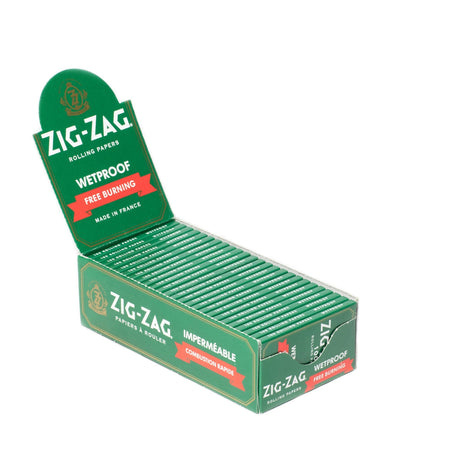
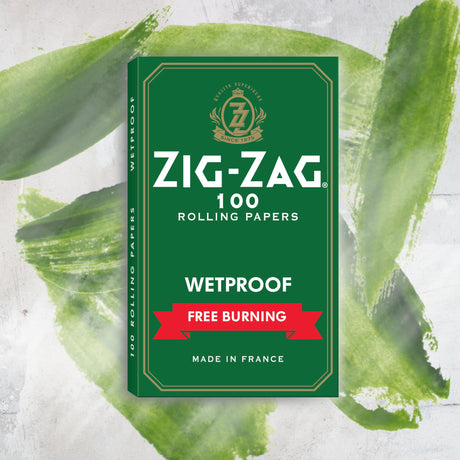
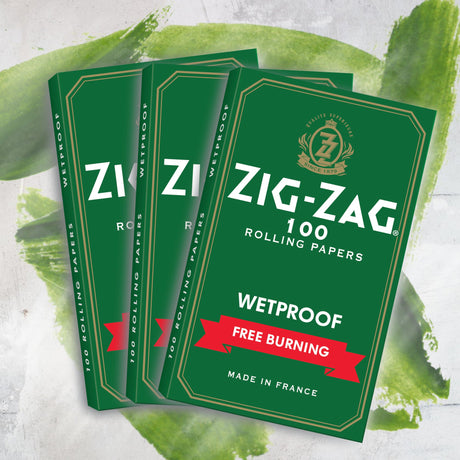
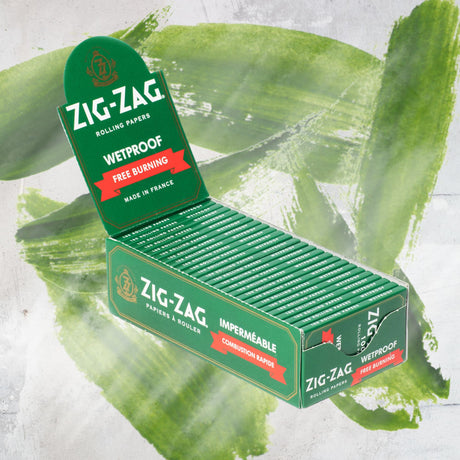
![Single Wide Green Rolling Paper box with white text, featuring Zig-Zag's logo, ensuring durability and smooth smoking with wetproof, thicker construction for a prolonged burn.]()
![Stack of Single Wide Green Rolling Paper featuring a green and gold logo, highlighting Zig-Zag's wetproof, thick design for a smooth, slow burn.]()
![Single Wide Green Rolling Paper, featuring a durable, moisture-resistant design for a smooth smoking experience, with visible Zig-Zag branding and packaging details.]()
-
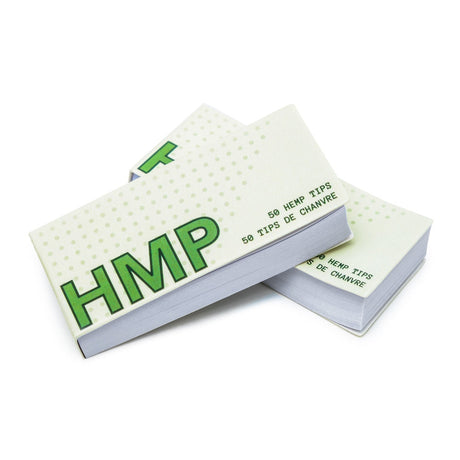
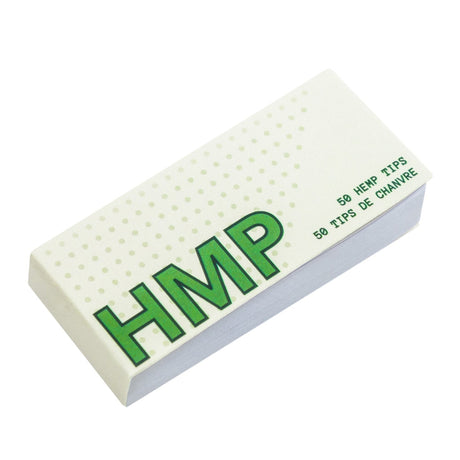
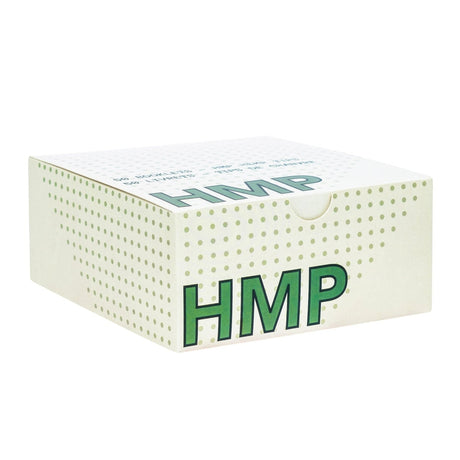
![Rolling Paper Tips - Pack of 50, featuring perforated edges for easy use, ideal for pairing with rolling papers. Each booklet contains 50 tips.]()
![HMP Tips-Turning Point Brands Canada]() Up to 15% off
Up to 15% off -
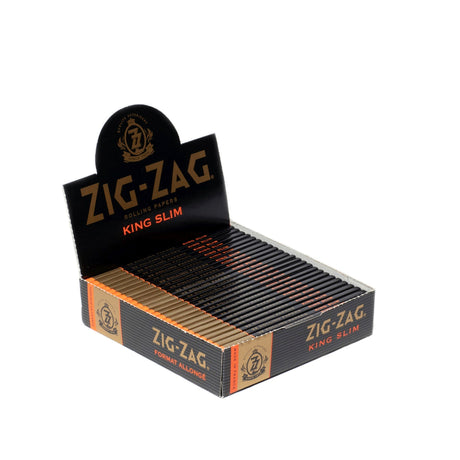
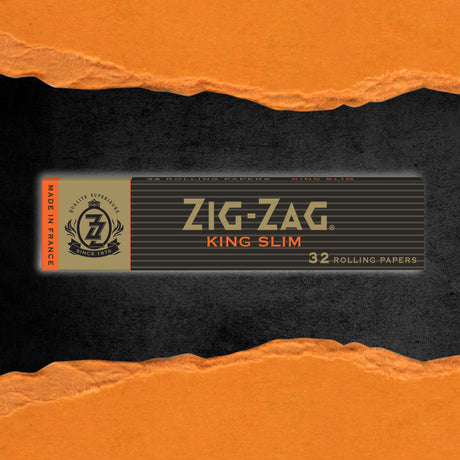
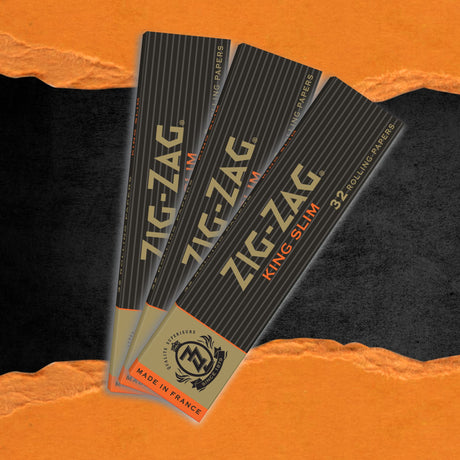
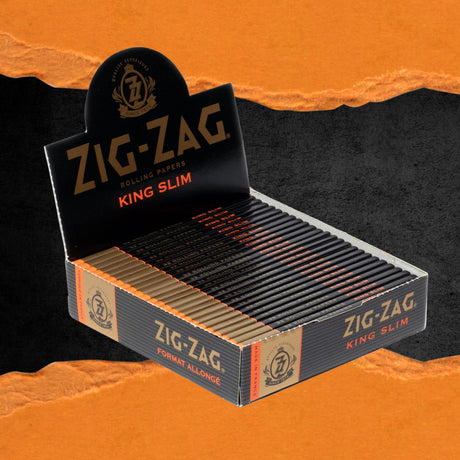
![Zig-Zag® King Slim Rolling Papers, shown in a close-up cigarette box, emphasize premium quality and size for an unmatched smoking experience.]()
![King Slim Rolling Papers displayed in a black box with gold text, featuring ultra-thin design for slow, even burn, enhancing extended smoking sessions.]()
![Zig-Zag® King Slim Rolling Papers, ultra-thin design, long and wide format, ideal for precise rolling, enhancing smoking sessions with a slow, even burn.]()
-
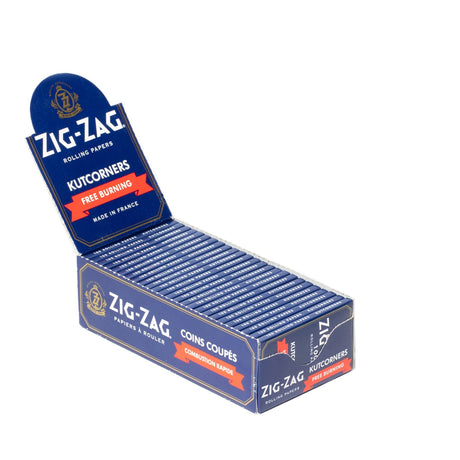
![Single Wide Blue Rolling Paper featuring white text and a blue and gold logo, designed for effortless rolling and faster burn with kutcorner design.]()
![Single Wide Blue Rolling Paper stack featuring Zig-Zag's iconic branding, highlighting the kutcorner design for easy rolling and fast-burning sessions.]()
![Single Wide Blue Rolling Paper with Zig-Zag branding, showing kutcorner design for easy rolling and faster burn, in a close-up view of the packaging.]()
-
![Single Wide White Kutcorners Rolling Paper booklet, featuring Zig-Zag branding, known for its thin, slow-burning paper and natural gum seal for reliable rolling.]()
![Single Wide White Kutcorners Rolling Paper stack, showcasing Zig-Zag's iconic thin, slow-burning design with natural gum Arabic for reliable sealing and enhanced smoking experience.]()
![Single Wide White Kutcorners Rolling Paper box focused on packaging, emphasizing its classic design known for quality and slow-burning, sealed with natural gum Arabic.]()
-
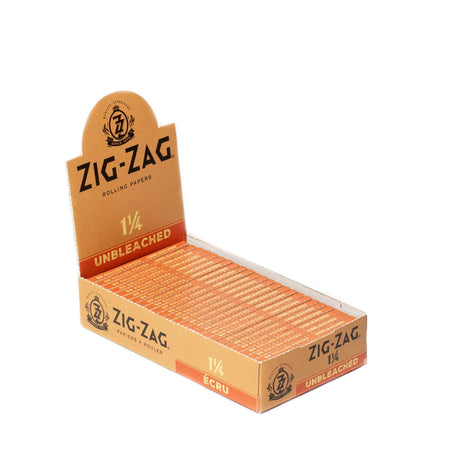
![Zig-Zag 1 1/4 Orange Rolling Paper box featuring a logo and text, designed for a smooth, slow burn with natural flax plant fibers.]()
![Close-up of Zig-Zag 1 1/4 Orange Rolling Paper pack, featuring black and orange logos, highlighting its premium, slow-burning papers made from natural flax fibers.]()
![1 1/4 Orange Rolling Paper box featuring Zig-Zag branding, highlighting its natural flax plant fiber composition and slow-burning quality for a premium rolling experience.]()
-
![Single Wide Ultra Thin Rolling Paper book on a simple backdrop, highlighting its compact size and minimalistic design, ideal for a smooth, flavor-rich smoking experience.]()
![Single Wide Ultra Thin Rolling Paper, stack of booklets, highlighting Zig-Zag's logo, designed for a cleaner burn with minimal ash, crafted from natural flax fibers.]()
![Single Wide Ultra Thin Rolling Paper box featuring Zig-Zag branding, designed for minimal ash and paper taste, enhancing smoking enjoyment with natural flax fibers and gum.]()
-
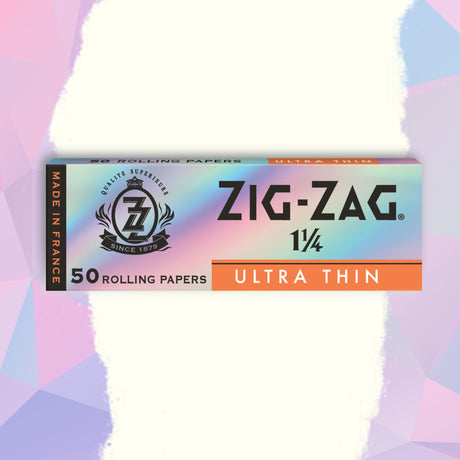
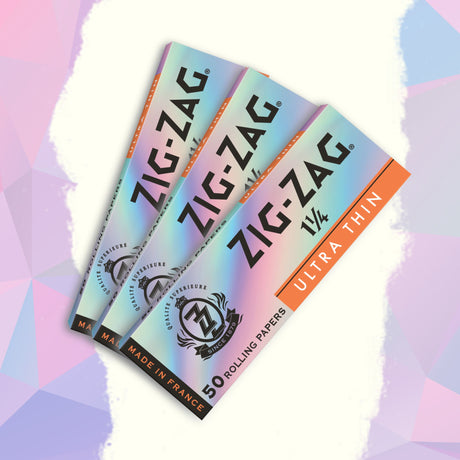
![Zig-Zag 1 1/4 Ultra Thin Rolling Paper box featuring logo, designed for a slow, even burn, enhancing the smoking experience with durability and thinness.]()
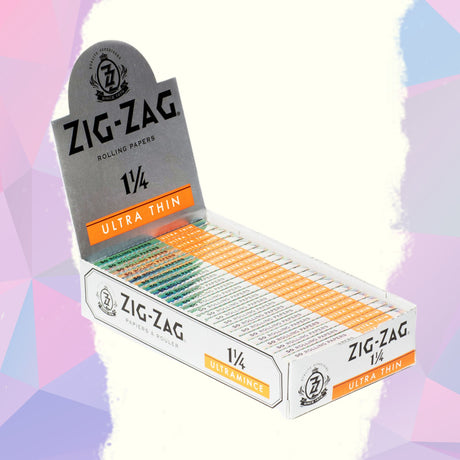
![1 1/4 Ultra Thin Rolling Paper features Zig-Zag's logo, translucent design, promoting a superior, slow-burn experience. Includes 25 booklets per carton.]()
![1 1/4 Ultra Thin Rolling Paper by Zig-Zag, featuring a box of translucent, lightweight rolling papers designed for a premium, slow-burn smoking experience.]()
-
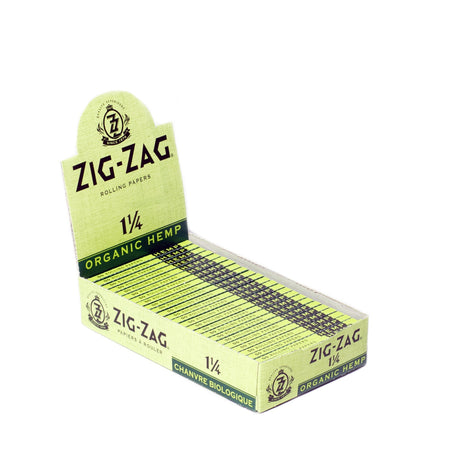
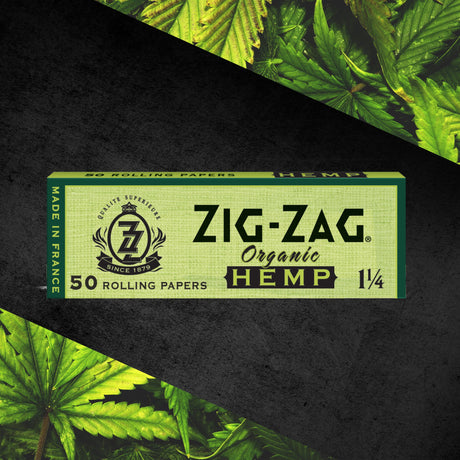
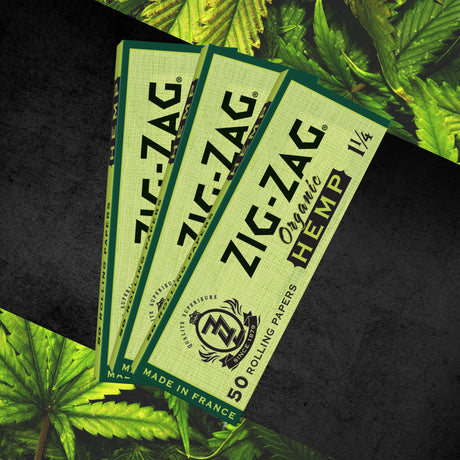
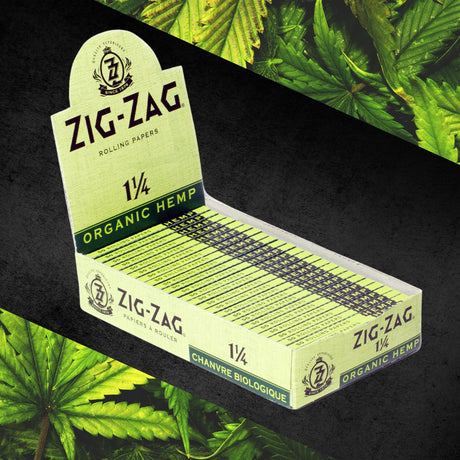
![1 1/4 Hemp Rolling Paper box with green leaves design, highlighting organic hemp fibers for a natural, eco-friendly smoking experience.]()
![1 1/4 Hemp Rolling Paper, featuring organic, unbleached hemp fibers, stacked in green booklets, ideal for a clean, sustainable smoking experience.]()
![1 1/4 Hemp Rolling Paper box with visible green and yellow label, featuring Zig-Zag logo, highlighting organic hemp fibers for an eco-friendly smoking experience.]()
-
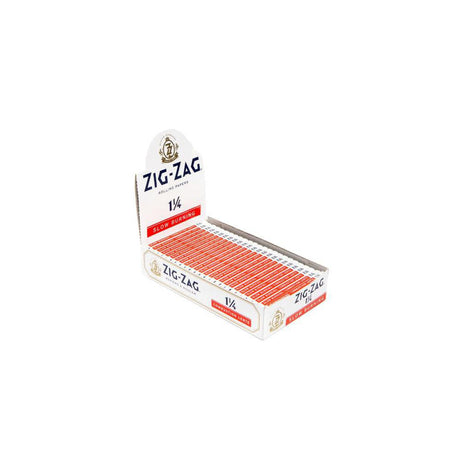
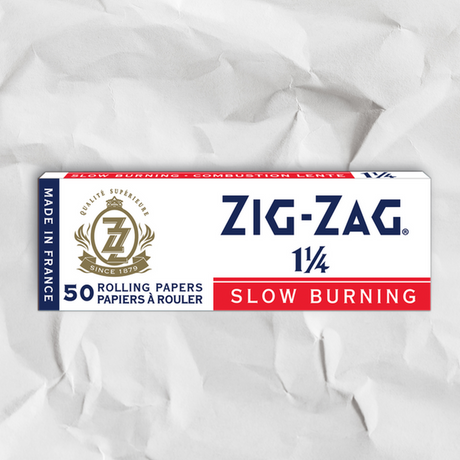
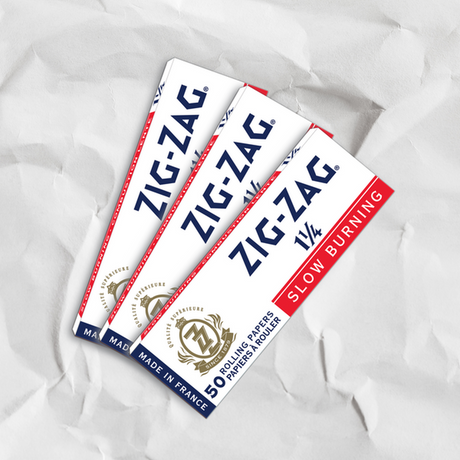
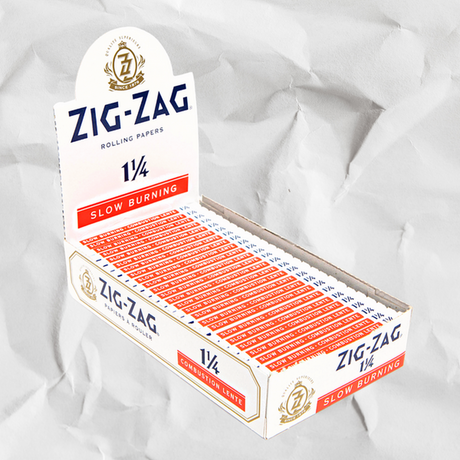
![Zig-Zag 1 1/4 White Rolling Paper box on textured surface, showcasing premium thin-weight papers for smooth, slow-burning experiences with natural gum Arabic seal.]()
![Zig-Zag 1 1/4 White Rolling Paper displayed on crumpled paper, highlighting their thin, easy-to-roll sheets and slow-burning quality.]()
![Zig-Zag 1 1/4 White Rolling Paper box, featuring iconic branding, highlighting thin, slow-burning papers made with natural gum Arabic for an enhanced smoking experience.]()
-
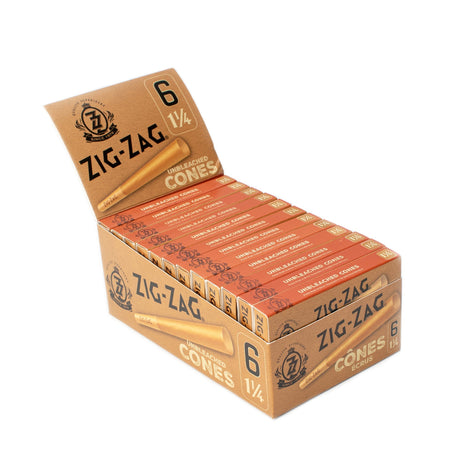
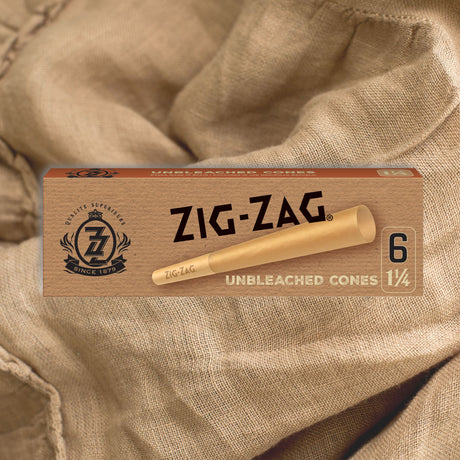
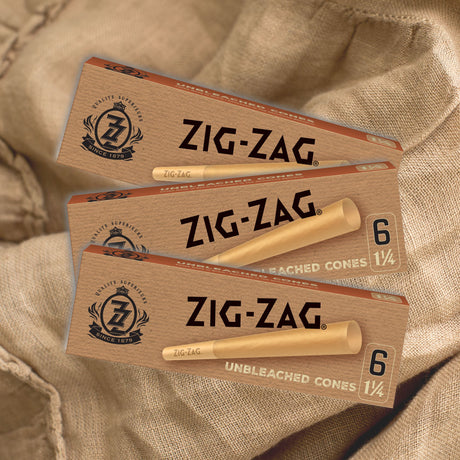
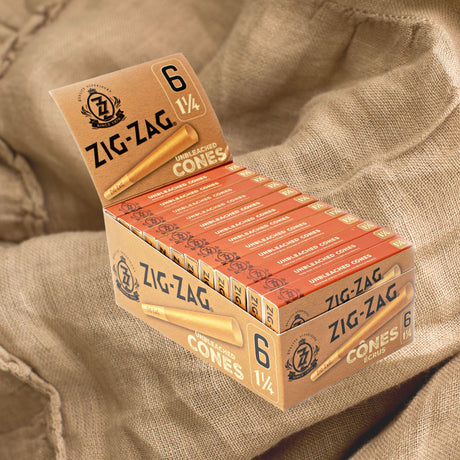
![Pre Rolled Unbleached 1 1/4 Paper Cones - Pack of 6, displayed in a crush-proof slide box on a cloth surface.]()
![Pre Rolled Unbleached 1 1/4 Paper Cones - Pack of 6, displayed with branded tips in a crush-proof slide box on cloth background.]()
![Pre Rolled Unbleached 1 1/4 Paper Cones - Pack of 6, displayed in a crush-proof slide box, featuring branded tips for smooth airflow and easy use.]()
-
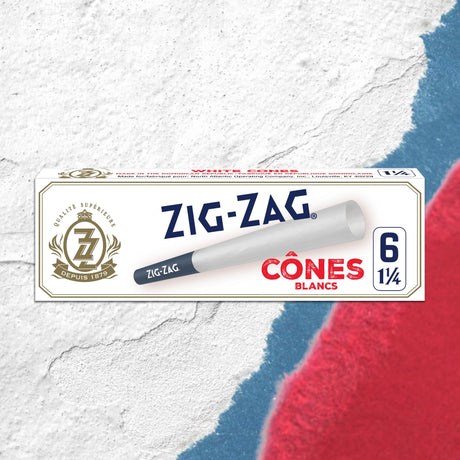
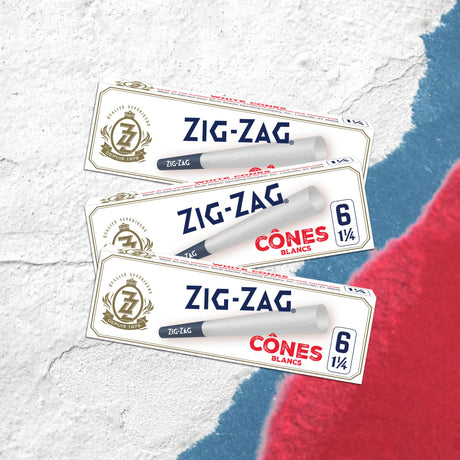
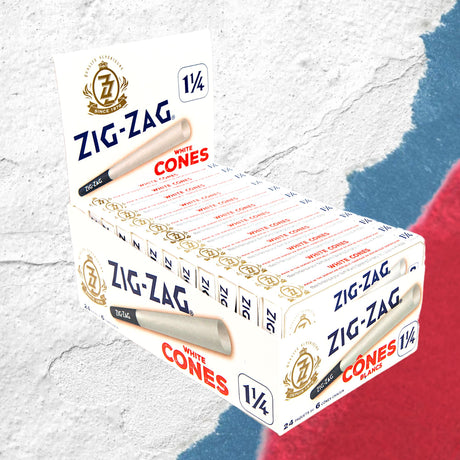
![Pre Rolled White 1 1/4 Paper Cone - Pack of 6 in a crush-proof box with branded tips for smooth, even burning.]()
![Pre Rolled White 1 1/4 Paper Cone - Pack of 6, featuring branded tips in a crush-proof slide box, designed for easy filling and smooth smoking.]()
![Pre Rolled White 1 1/4 Paper Cone - Pack of 6 in a crush-proof box, featuring branded tips for smooth airflow and easy use.]()
-
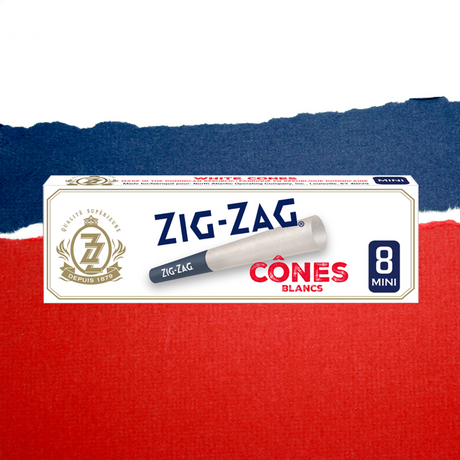
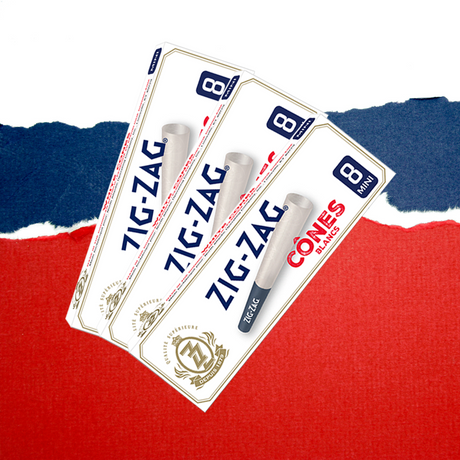
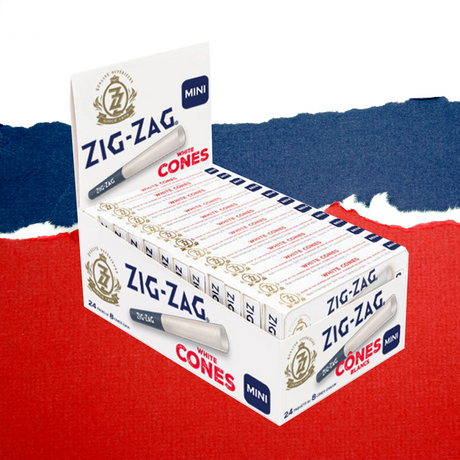
![Pre-Rolled White Mini Cones - Carton of 24, featuring a branded tip and crush-proof slide box, 70MM size, with 8 cones per pack.]()
![Pre-Rolled White Mini Cones - Carton of 24, featuring branded tips and a crush-proof slide box, displayed on a textured background.]()
![Pre-Rolled White Mini Cones - Carton of 24, featuring branded tips and crush-proof, pocket-friendly slide box. Contains 8 cones per pack, 24 packs per carton.]()
-
![1 1/4 White Rolling Paper & Tips box featuring Zig-Zag logo, highlighting premium quality, natural gum Arabic seal, and included tips for enhanced smoking experience.]()
![1 1/4 White Rolling Paper & Tips pack, showcasing Zig-Zag branding, highlighting thin glue line for flawless sealing, natural gum Arabic, and included tips for enhanced smoking experience.]()
![1 1/4 White Rolling Paper & Tips pack featuring Zig-Zag logo, designed for smooth, slow burns with natural gum Arabic seal and convenient tips included.]()
-
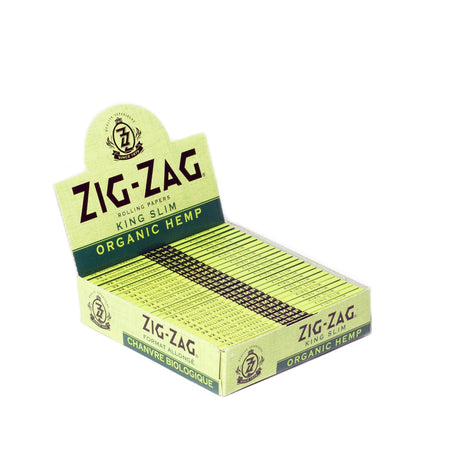
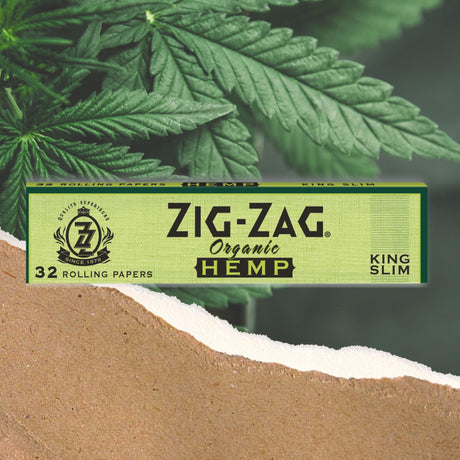
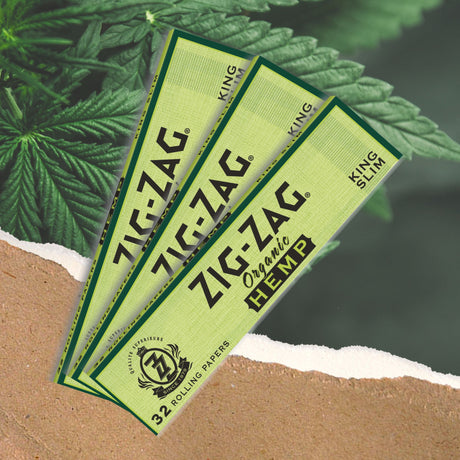
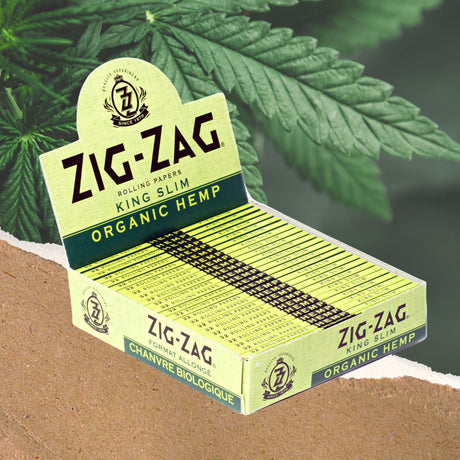
![King Slim Hemp Rolling Paper beside a plant, highlighting its organic hemp fibers for an eco-friendly, smooth smoking experience.]()
![King Slim Hemp Rolling Paper featuring green rectangular sheets with black text, emphasizing organic hemp for a smooth, sustainable smoking experience.]()
![King Slim Hemp Rolling Paper box on a table, highlighting sustainable, non-GMO hemp fibers for a smooth, eco-friendly smoking experience. Includes 25 booklets, 32 papers each.]()
-
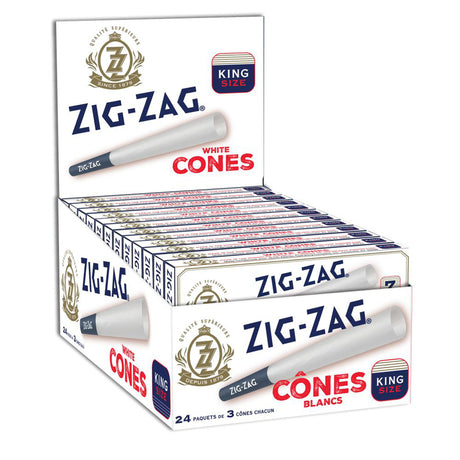
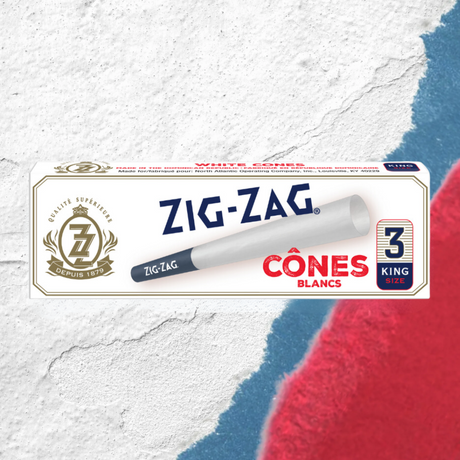
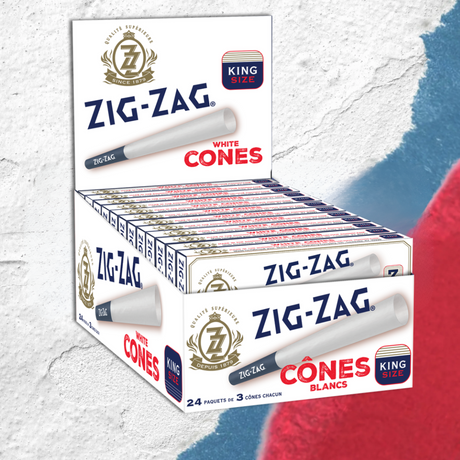
![Pre Rolled White King Size Cone - Pack of 3, in a crush-proof box, offering slow, even burn; includes three cones with branded tips for optimal airflow.]()
![Pre Rolled White King Size Cone - Pack of 3 in a crush-proof slide box, showcasing branded tips for optimal airflow on a white surface.]()
![Pre Rolled White King Size Cone - Pack of 3, featuring branded tips, in a crush-proof slide box for easy transport and premium smoking experience.]()
-
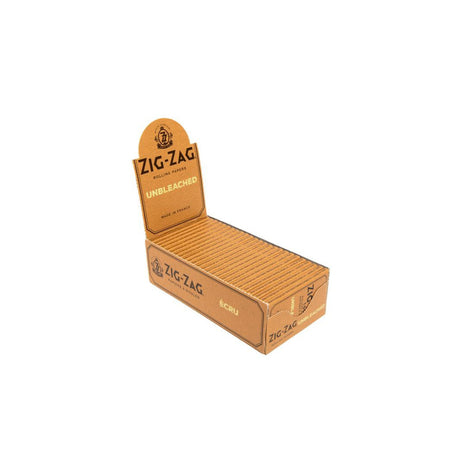
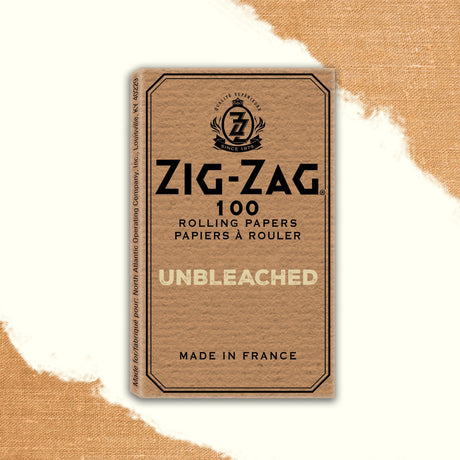
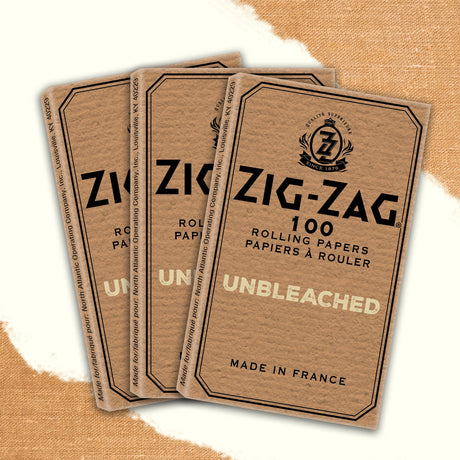
![Single Wide Zig-Zag Unbleached Rolling Paper box with black text and logo, showcasing natural, eco-friendly design for a pure smoking experience.]()
![Single Wide Zig-Zag Unbleached Rolling Paper pack with black logo, featuring natural fibers and gum seal for a pure smoking experience.]()
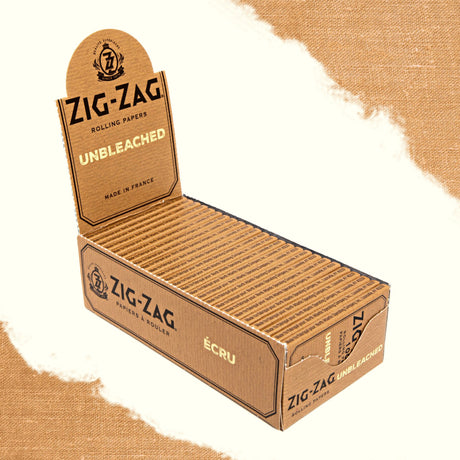
![Single Wide Zig-Zag Unbleached Rolling Paper displayed in an open cardboard box, highlighting its natural and eco-conscious packaging.]()
-
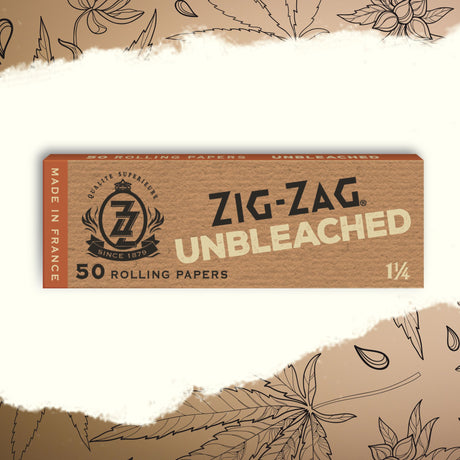
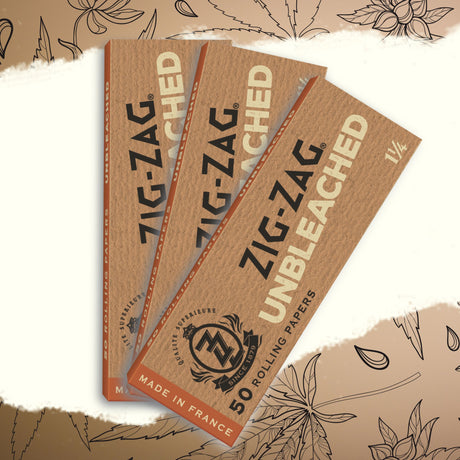
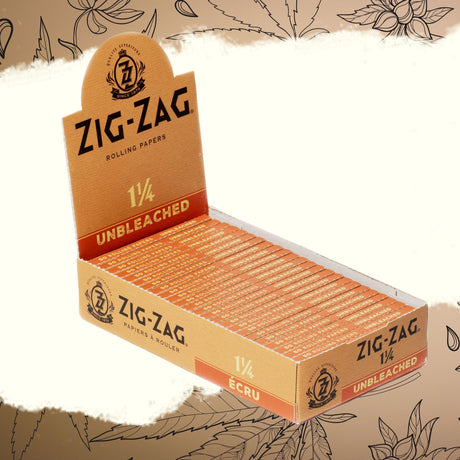
![1 1/4 Unbleached Rolling Paper box featuring Zig-Zag logo, natural fibers, slow-burning, ultra-thin, 50 papers per booklet, eco-friendly packaging.]()
![1 1/4 Unbleached Rolling Paper stack, showcasing Zig-Zag's logo, highlighting strength and ultra-thinness for a premium, eco-friendly smoking experience.]()
![1 1/4 Unbleached Rolling Paper, Zig-Zag box, showcasing natural, ultra-thin papers for smooth, slow-burning, premium smoking experience.]()
-
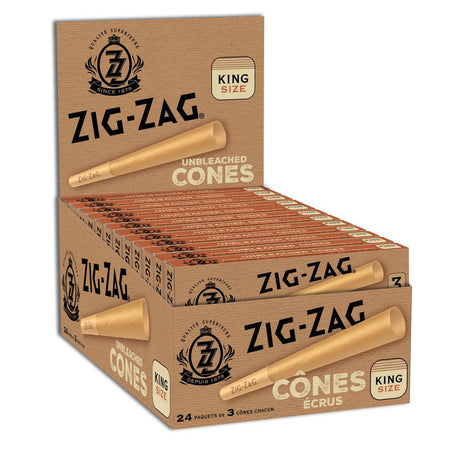
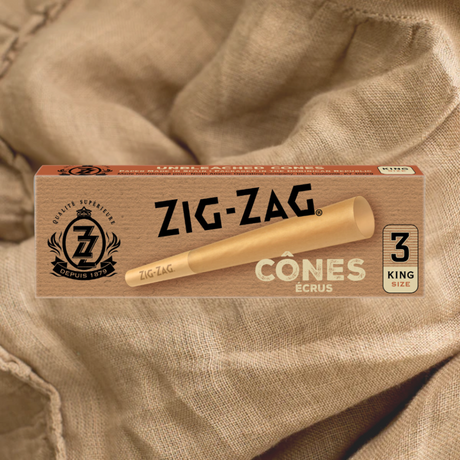
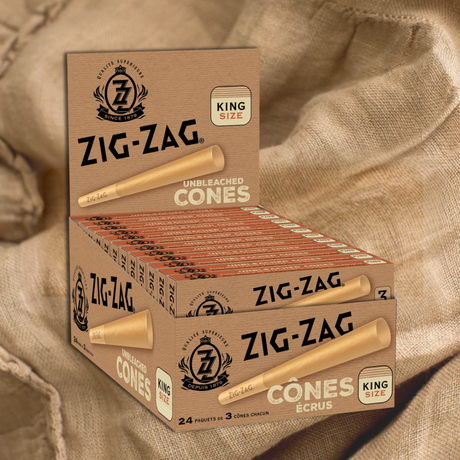
![Pack of 3 Pre Rolled Unbleached King Size Cones on a cloth, featuring a distinctive crush-proof slide box for convenient portability.]()
![Pre Rolled Unbleached King Size Cones - Pack of 3 in a crush-proof slide box, featuring branded tips for smooth airflow and convenient use.]()
![Pre Rolled Unbleached King Size Cones - Pack of 3, in a crush-proof slide box, displayed on a cloth, highlighting ease of use and premium design.]()
-
![King Size White Rolling Paper & Tips pack featuring Zig-Zag logo, known for smooth, even burn and ultra-thin gum Arabic seal for enhanced smoking experience.]()
![King Size White Rolling Paper & Tips, showcasing Zig-Zag® logo. Features include ultra-thin glue line and natural fibers, enhancing smoking experience with reliable sealing and added tips.]()
![King Size White Rolling Paper & Tips package, featuring Zig-Zag branding. Includes ultra-thin glue line for a perfect seal, enhancing the smoking experience.]()
-
![Unbleached 1 1/4 Papers & Tips in a brown box with black text, featuring ultra-thin, slow-burning rolling papers and tips, ideal for natural, seamless rolling.]()
![Unbleached 1 1/4 Papers & Tips with natural gum Arabic in brown and black packaging, featuring a crown logo and slow-burning, ultra-thin design.]()
![Unbleached 1 1/4 Papers & Tips combo pack on display, showcasing ultra-thin, slow-burning papers with natural gum Arabic and included tips.]()
-
-
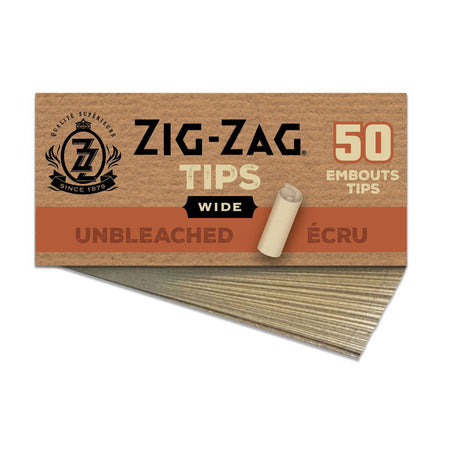
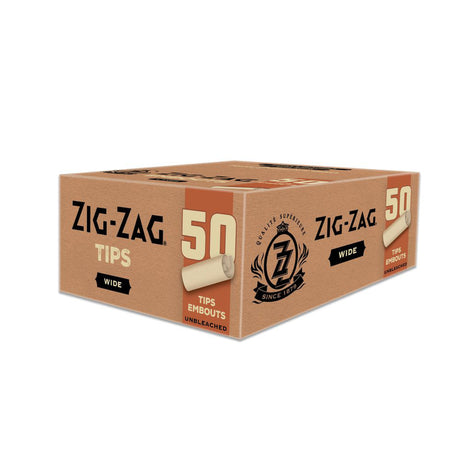
![Rolling Paper Tips - Unbleached Wide - Pack of 50 in a branded box, showcasing natural fiber tips for enhanced airflow and smoother smoking experience.]()
-
-
![Flavoured Filter Tips Display Box - 2 pack (Carton of 50) featuring King Palm logo and packaging, highlighting a popular smoking accessory with flavor-enhancing filter tips.]()
![Flavoured Filter Tips Display Box - 2 pack (Carton of 50), featuring King Palm logo, ideal for enhancing joints with flavor beads in corn husk filters.]()
![Flavoured Filter Tips Display Box - 2 pack (Carton of 50) featuring watermelon flavor, highlighting King Palm's natural corn husk filters with flavor bead activation.]()

![1 1/4 Rolling Machines 78 mm - Carton of 12; clear plastic device with dual rollers for efficiently packing and rolling tobacco, ensuring uniform results.]()
-
Sold out15% off






MATERIAL IS WHAT ROLLING PAPERS ARE ACTUALLY ABOUT
Most people grab whatever's on the shelf without thinking twice, but the material your papers are made from changes the whole experience. Flax burns slower and thinner than wood pulp, hemp adds a faint earthy note, and rice papers are about as neutral as it gets. Smoke & Vape carries papers across all those materials, plus sizes from single wide up to king, so you're not locked into one style before you've figured out what you actually prefer. If you've only ever rolled with one type, you probably don't know what you're missing yet.
| Product | Best For | Why We'd Recommend It | One Thing to Know |
|---|---|---|---|
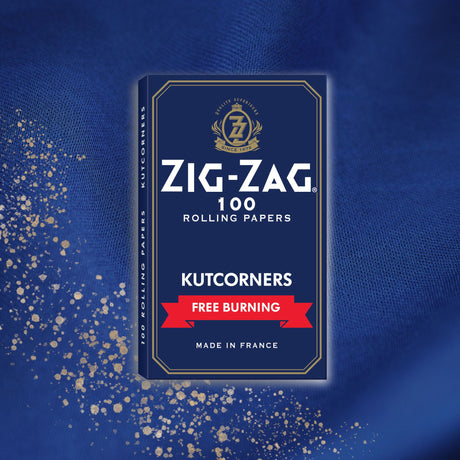
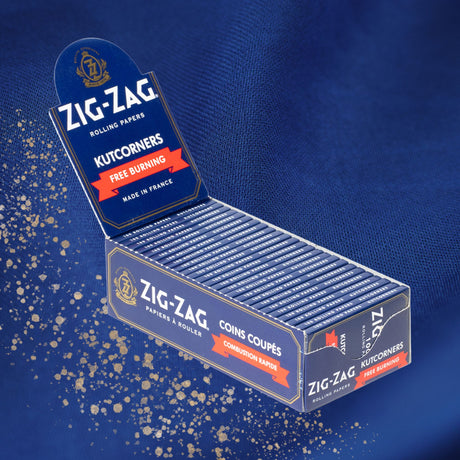
 Zig-Zag Single Wide Blue Rolling Paper |
Someone who rolls small and wants a paper that cooperates, not fights back | Natural ingredients and an easy-to-roll design make it the least fussy single wide in the lineup. | Single wide means a smaller roll, so it's not the pick if you're rolling for more than one person. |
 Zig-Zag Single Wide Ultra Thin Rolling Paper |
Someone who wants as little paper taste as possible in a single wide format | Flax fibers and gum Arabic in an ultra-thin sheet means the paper stays out of the way of what you're smoking. | Ultra-thin papers can be trickier to handle, especially if you're still getting comfortable with rolling. |
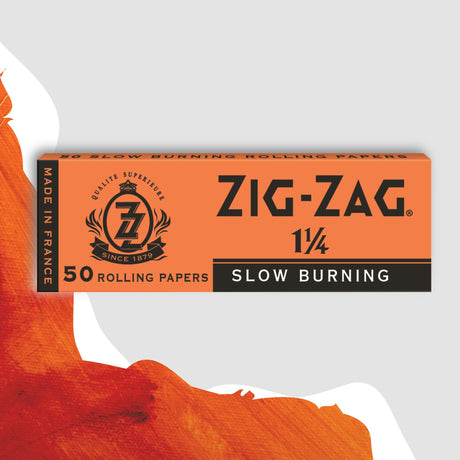
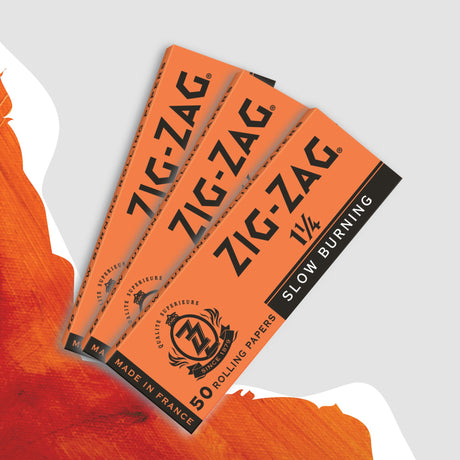
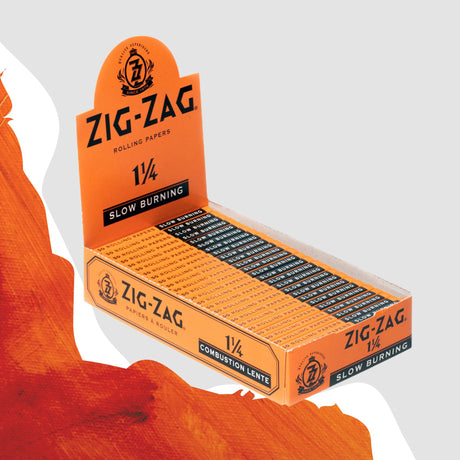
 Zig-Zag 1 1/4 Orange Rolling Paper |
Someone moving up from single wide who wants a flax paper with a proven burn | Natural flax fibers give you a slow, even burn in a size that's forgiving enough to roll without frustration. | It's a standard-weight paper, so if you've already decided you want ultra-thin, this isn't the step up you're looking for. |
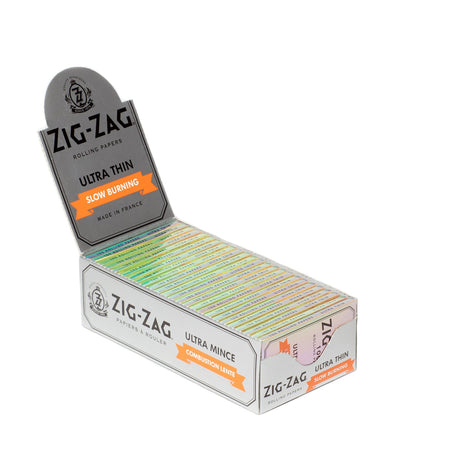
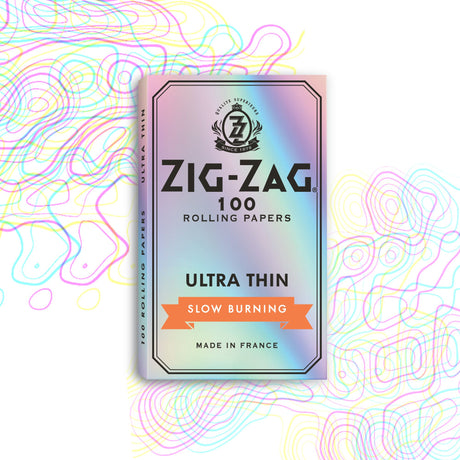
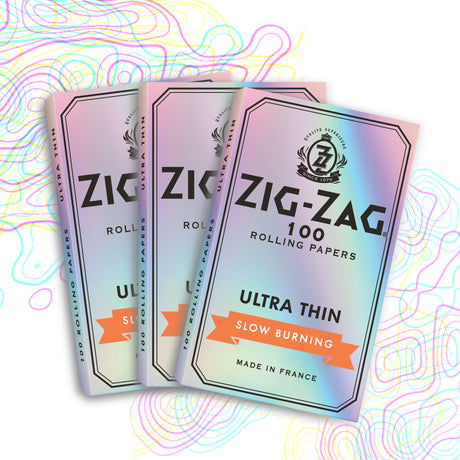
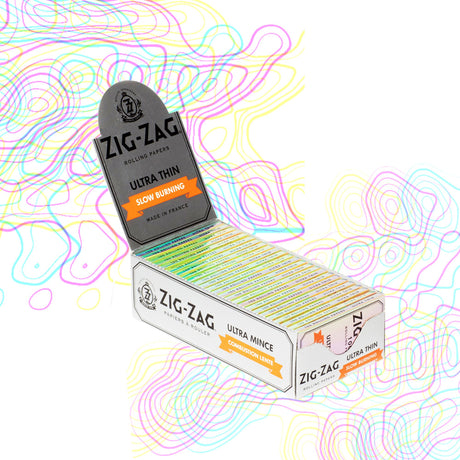
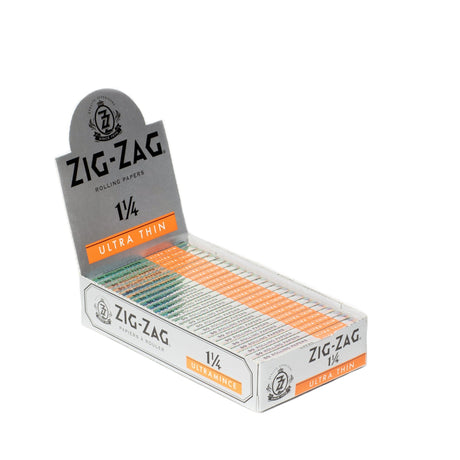
 Zig-Zag 1 1/4 Ultra Thin Rolling Paper |
Someone who wants the roomier 1 1/4 size without the paper adding anything to the taste | The translucent, lightweight sheet burns slow and even without the thickness of a standard paper getting in the way. | Same handling note as the single wide ultra-thin: thinner paper asks a bit more from your rolling technique. |
 HMP Rolling Paper Tips |
Anyone rolling their own who doesn't want to fold a tip from scratch every time | Perforated edges mean you're tearing a clean, consistent tip instead of improvising one from a corner of cardboard. | These are tips only, no papers included, so you'll need to grab those separately. |
Size is what splits this lineup first. If you're rolling solo and keeping things compact, single wide is your range. If you want more room in the roll, the 1 1/4 papers give you that without changing much else. Once you've picked your size, it comes down to paper weight: standard flax (the Orange) is more forgiving to roll, and the ultra-thin versions in both sizes are there when you want the paper to disappear into the background. Grab the HMP Tips alongside whichever papers you land on and you won't be folding cardboard again.
What Rolling Papers Actually Do to Your Smoke and Why It Matters
The difference between a good session and a frustrating one often starts with the paper itself. This guide breaks down how thickness, size, gum adhesive, and tip construction affect what you're actually smoking, so you can read a label and know what it means before you buy.
How Paper Thickness Changes Burn Rate and Taste at the Same Time
Thicker papers burn slower because there's more material for the flame to work through, but that extra material also produces more ash and a more noticeable paper taste on each draw. Ultra-thin papers flip that equation: less material means less combustion byproduct between you and your herb, but the burn moves faster and the paper is more prone to tearing mid-roll. Zig-Zag's Ultra Thin line (available in both single wide and 1 1/4) uses flax fibers pressed thin enough to be nearly translucent, which is how they keep the burn slow despite the reduced thickness. Most people assume "thin" always means "fast burn," but the fiber type matters just as much as the sheet weight. At Smoke & Vape, we've noticed that customers who switch from standard to ultra-thin for the first time are surprised by how much paper taste they were tolerating without realizing it.
Why Paper Size Affects More Than Just How Much You Can Fit
Single wide and 1 1/4 aren't just volume measurements. The width of the paper determines how many times it wraps around your herb, and more wraps mean more layers of burning paper between the cherry and your lips. A single wide paper like the Zig-Zag Blue wraps fewer times around a smaller amount, so you're smoking through less paper per draw. A 1 1/4 gives you a wider sheet that accommodates more herb but also creates a slightly thicker wall when rolled, which insulates the burn differently. People often size up because they want a bigger roll, without realizing the extra paper layers subtly change the draw resistance and how much paper flavor reaches them.
What Gum Arabic Does and Why It's the Adhesive You Want
The sticky strip along one edge of your paper is what seals the roll shut, and not all adhesives behave the same way when they hit a flame. Gum Arabic is a natural tree sap that activates with moisture (your tongue, basically) and burns clean without adding chemical taste or producing harsh smoke. Synthetic adhesives can leave a faint acrid note, especially on the first few draws when the sealed seam is closest to the lit end. Every Zig-Zag paper we carry at Smoke & Vape uses gum Arabic for this reason. Most people don't think about the glue strip at all, but it's the one part of the paper that burns at a different rate than the rest of the sheet, which is why a clean adhesive matters more than it seems.
How a Proper Tip Changes Airflow Through the Entire Roll
Rolling without a tip doesn't just mean herb in your mouth. It means the end of your roll collapses as you draw, which restricts airflow unevenly and makes the burn hotter at the center. A firm, evenly rolled tip holds the opening at a fixed diameter, so air pulls through the entire cross-section of the roll instead of funneling through a pinched gap. The HMP Rolling Paper Tips use perforated edges so each tear is straight and uniform, which means the spiral you fold stays consistent from tip to tip. We've talked to plenty of customers who assumed tips were optional and didn't connect their uneven burns to a crushed end until they tried one.
Why Kutcorners Aren't Just a Shape Gimmick
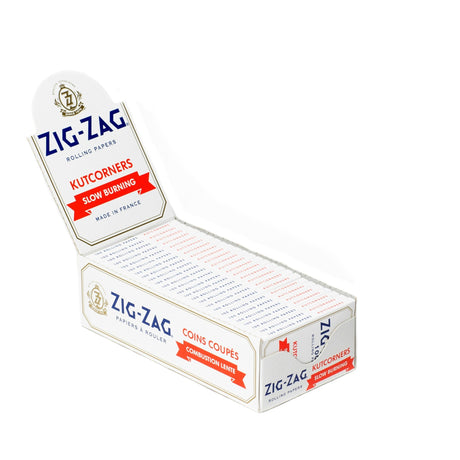
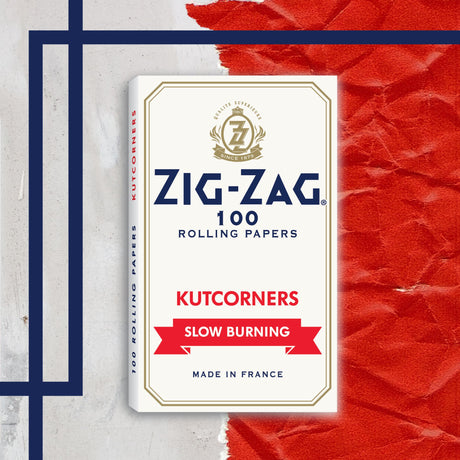
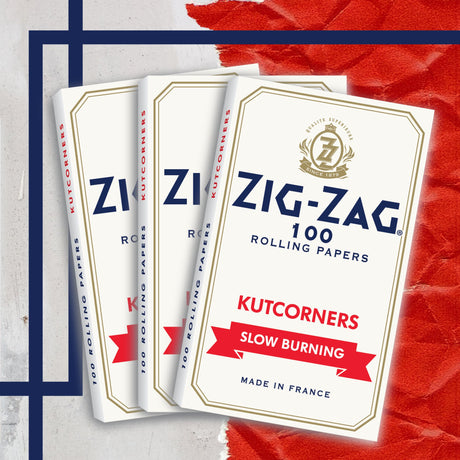
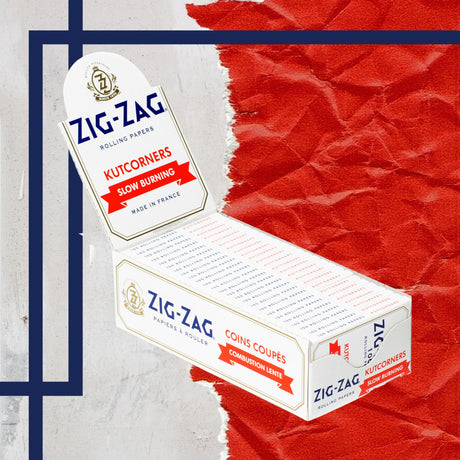
Standard rectangular papers have sharp corners that stick out past the roll when you're tucking, and those exposed corners catch the flame unevenly or create small air pockets where the paper doesn't sit flush against the herb. Zig-Zag's Single Wide White Kutcorners trim those corners at an angle, which lets the paper wrap smoothly without excess material bunching at the ends. The result is a cleaner seal and a more even burn from the first light to the last draw. Most people write off corner shape as cosmetic, but if you've ever had a roll canoe (burn down one side faster than the other), an air pocket from a poorly tucked corner is often the cause.
Frequently Asked Questions
What's the easiest type of paper for a beginner to roll with?
The honest answer is a standard-weight paper in a 1 1/4 size. Thinner papers feel more delicate in your hands and tear more easily when you're still figuring out how much pressure to apply, and single wide papers give you less room to work with before the roll starts to close in on itself. A 1 1/4 standard-weight paper is wide enough that small mistakes are recoverable, and the extra material gives you something to grip without worrying about it splitting. The Zig-Zag 1 1/4 Orange Rolling Paper is a good starting point for exactly this reason. The flax fibers hold their shape reasonably well as you're shaping the roll, and the gum Arabic strip activates reliably without needing to be licked three times to seal.
What you want to avoid as a beginner is ultra-thin papers. They're genuinely excellent once you know what you're doing, but they punish hesitation. If you pause mid-roll to reposition your fingers, a thin paper will crease or shift in a way that a standard-weight paper would just absorb. Save the Zig-Zag 1 1/4 Ultra Thin Rolling Paper line for when rolling feels natural rather than deliberate.
One other thing worth knowing: the paper is only part of the equation. Rolling with a tip in place from the beginning makes the whole process easier because it gives you a firm anchor at one end to roll against. The HMP Rolling Paper Tips are perforated so each one tears cleanly and rolls into a consistent shape. If you've been struggling to get your rolls to feel even, adding a proper tip is often the fix people overlook before blaming the paper.
What size tips should I use for different paper widths?
Tips don't come in sizes that correspond directly to paper widths the way bowls match joint sizes, but the width of your paper does determine how much of the tip is visible at the end and how the airflow feels. For single wide papers, a standard booklet tip folded into a small spiral works well because the paper wraps closely around a narrower diameter. For 1 1/4 papers, you can roll the tip slightly wider to fill the opening more completely, which keeps the draw open and prevents the end from collapsing inward.
The HMP Rolling Paper Tips are a universal format, meaning the same booklet works across single wide and 1 1/4 papers. The difference is in how you fold them. A tighter spiral with fewer loops gives you a narrower tip suited to single wide rolls; a looser spiral with more material left at the outside gives you a wider diameter that fills a 1 1/4 opening more naturally. The perforated edges on the HMP tips make it easier to tear a consistent length each time, which helps when you're trying to dial in the same diameter roll to roll.
Where people run into trouble is using a tip that's too narrow for a wider paper. The paper wraps around the tip and leaves a gap at the centre, which means you're drawing air through a smaller opening than the rest of the roll expects. That unevenness shows up as a hotter burn or a roll that pulls harder on one side. If your 1 1/4 rolls feel like they're drawing harder than they should, try rolling your tip a little wider before assuming the paper is the problem.
What's the difference between king size, king slim, and 1 1/4 papers?
The three sizes refer to both length and width, and those two dimensions affect the experience in different ways. A 1 1/4 paper is roughly 76mm long and about 45mm wide, which makes it the most common format for a standard solo roll. It's wide enough to hold a reasonable amount of herb and short enough that the roll burns down in a comfortable session. King size papers are longer, typically around 100 to 110mm, which means more herb capacity and a longer burn. King slims are the same length as king size but noticeably narrower, which changes how the roll sits in your hand and how much paper wraps around the fill.
The practical difference between king size and king slim comes down to how you prefer your roll to feel. A full king size paper wraps more times around the same amount of herb than a slim does, which means slightly more paper per draw and a roll that feels more substantial between your fingers. A king slim rolls closer to a cigarette profile: longer but narrower, with less paper in the wall of the roll. People who find standard king size rolls feel heavy or draw a bit slowly often prefer the slim format for that reason.
If you're coming from 1 1/4 papers and wondering whether to size up, the main thing you're gaining is length, not just volume. A longer roll burns for longer and is easier to pass around, but it also asks more of your rolling technique because there's more paper to keep even across the whole length. The 1 1/4 format, like the Zig-Zag 1 1/4 Orange Rolling Paper or the Zig-Zag 1 1/4 Ultra Thin Rolling Paper, is genuinely the most forgiving size for everyday use. King formats make more sense when you're rolling for more than one person or just prefer a longer session from a single roll.
Which paper materials have the least noticeable taste when smoking?
Rice papers are generally considered the most neutral material available. The fibres are pressed into a very thin, almost translucent sheet that produces minimal combustion byproduct, which means very little added flavour on each draw. If tasting the herb without any interference from the paper is your priority, rice is the material most people land on. The tradeoff is that rice papers can be slippery to handle and don't seal as aggressively as other materials, so they ask a bit more from your rolling technique.
Flax is a close second in terms of taste neutrality, and it's more forgiving to roll than rice. The Zig-Zag Ultra Thin papers use flax fibers, and the reason they're described as nearly translucent is because the sheet is thin enough that there's simply less material burning alongside your herb. You'll notice a difference compared to a standard wood pulp paper, though probably not as dramatic a difference as switching to rice. For most people, flax hits the right balance: neutral enough that the paper isn't competing with what you're smoking, but cooperative enough that rolling doesn't feel like a precision exercise.
HMP papers sit in the middle. They're made from a natural material and burn cleanly, but hemp does carry a faint earthy character that some people enjoy and others find distracting. It's subtle, not overwhelming, but if you're specifically trying to keep the paper from contributing any flavour at all, hemp is less neutral than flax or rice. Wood pulp is the most flavour-forward of the common materials, which is part of why thicker standard papers get a reputation for tasting "papery." It's not a flaw exactly, just the nature of the material.
What does "bleached" vs "unbleached" paper actually change when you smoke?
The bleaching process is what gives white rolling papers their colour. Manufacturers use either chlorine-based or chlorine-free bleaching agents to whiten the paper fibres, and the concern some smokers have is that residual chemicals from that process end up in the smoke. Unbleached papers skip that step entirely, which is why they have a natural brown or tan colour. They're not a different material necessarily; an unbleached hemp paper and a bleached hemp paper can be made from the same fibres, just processed differently.
In terms of what you actually taste, the difference is subtle for most people. Unbleached papers tend to have a slightly earthier, more natural character to them, while bleached papers burn a little cleaner and more neutrally. Whether you can detect that difference depends on how sensitive you are to paper flavour and what you're smoking. Someone rolling with a very aromatic herb is unlikely to notice either way. Someone specifically trying to eliminate every variable from the smoke might prefer unbleached papers to remove any uncertainty about what the bleaching process left behind.
The more practical consideration for some people is environmental. Unbleached papers go through less processing and don't involve the same chemical inputs, which matters to buyers who prefer natural or minimally processed products. If that's part of your decision, unbleached hemp papers are worth looking at. If you're purely focused on taste and burn quality, the bleached versus unbleached distinction is less important than the material type and paper weight, both of which have a more measurable effect on the smoking experience.