Glass Pipes | Bongs & Water Pipes | Glass Bong Bowls | NWTN HOME Gravity Bongs & Accessories | Silicone Bongs
About this collection
Premium Quality Glass Bongs for a Superior Smoking Experience
For a smooth, clean, and enjoyable smoking experience, glass bongs are a top choice among enthusiasts. Crafted from high-quality glass, these bongs deliver a pure taste, free from unwanted flavors. The non-porous nature of glass prevents residue and odor absorption, ensuring fresh hits every time.
Beyond their functionality, glass bongs are often beautifully designed, serving as both art pieces and functional devices. From sleek, modern lifestyle pieces by NWTN HOME to intricate creations with complex percolators, the versatility of glass bong designs is unmatched. While more delicate than acrylic, silicone, or rugged metal bongs, the superior performance and aesthetic appeal of glass bongs make them a worthwhile investment.
Also Check Out Our| 23 Best Bongs & Bubblers of 2026
 25% off
HMP
14" Glass Beaker Bong - Artisanal Collection - Amber Sandblast
Sale price $9749 CAD Regular price $12999Unit price- Up to 50% off
-
- 21% off
-
- 19% off
MJ Arsenal
Sale price $2099 CAD Regular price $2599Unit price -
-
-
- Up to 20% off
HMP
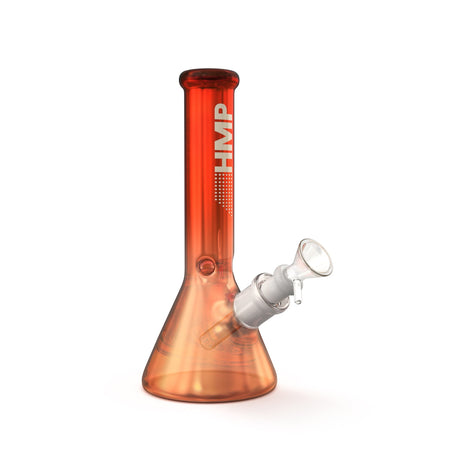
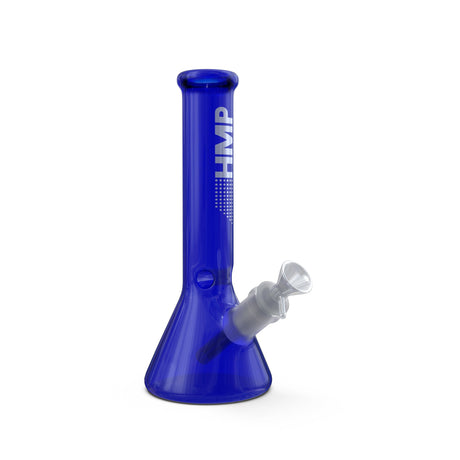
8" Glass Beaker Bong - Premier Color Collection
Sale price $3599 CAD Regular price $4499Unit price -
- Up to 20% off
-
- Up to 20% off
-
- 20% off
HMP
10" Glass Straight Bong - Heavy Duty Collection
Sale price $2799 CAD Regular price $3499Unit price -
- 20% off
HMP
Sale price $3599 CAD Regular price $4499Unit price -
- 20% off
HMP
Sale price $5199 CAD Regular price $6499Unit price -
- 20% off
-
- 20% off
-
- 20% off
HMP
16" Glass Straight Bong - Heavy Duty - Rainbow
Sale price $7999 CAD Regular price $9999Unit price -

 20% off
HMP
16" Glass Beaker Bong - Heavy Duty - Rainbow
Sale price $7999 CAD Regular price $9999Unit price- 19% off
MJ Arsenal
Dubbler Original Double Blunt Bubbler
Sale price $2099 CAD Regular price $2599Unit price -
- 21% off
-
- Sold out20% off
Castle Glass
Sale price $7999 CAD Regular price $9999Unit price -
- Sold out20% off
-
- Sold out21% off
Human Grade
Sale price $4599 CAD Regular price $5799Unit price -
- Sold out19% off
-
- Sold out20% off
MJ Arsenal
Sale price $2399 CAD Regular price $2999Unit price -
- Sold out64% off
Castle Glass
Sale price $4340 CAD Regular price $11999Unit price -
- Sold out19% off
-
- Sold out20% off
-
 Sold out20% off
- Sold out20% off
HMP
Sale price $5599 CAD Regular price $6999Unit price -
- Sold out20% off
-
- Sold out20% off
-
- Sold out25% off
-
- Sold out21% off
-




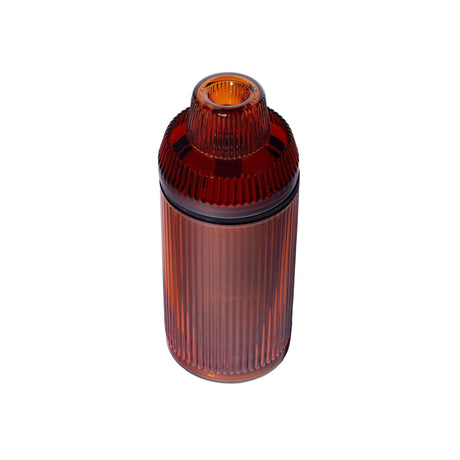


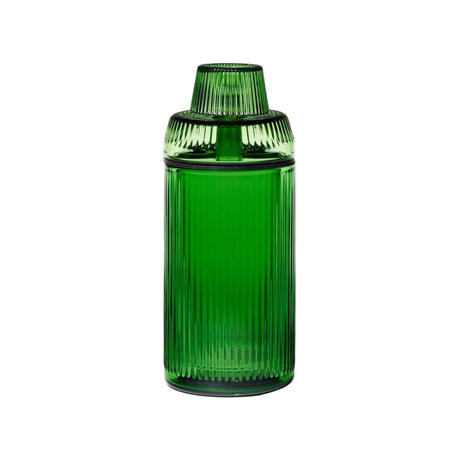


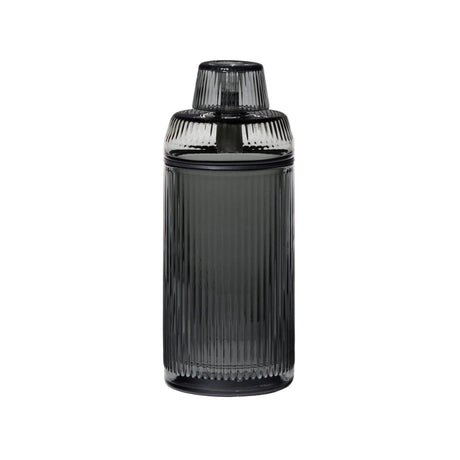


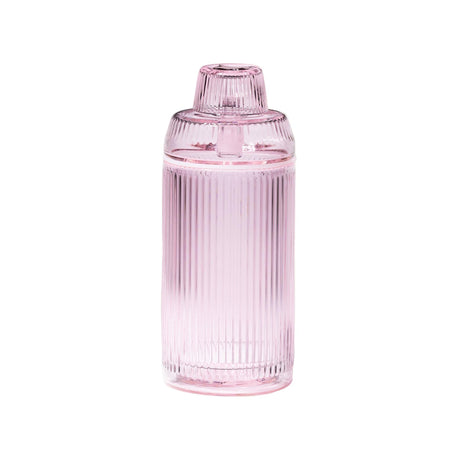


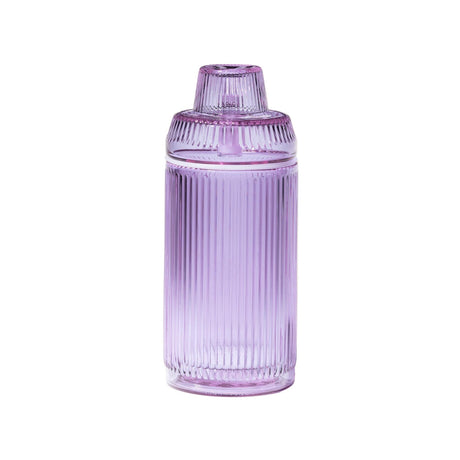


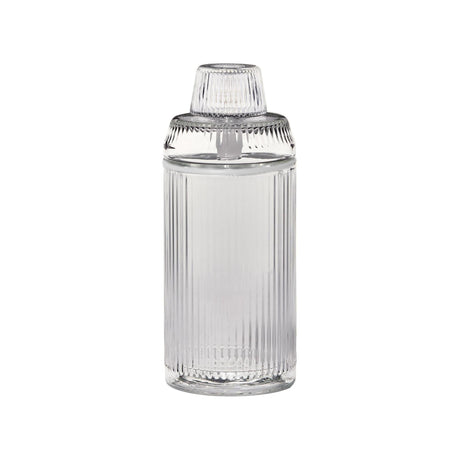


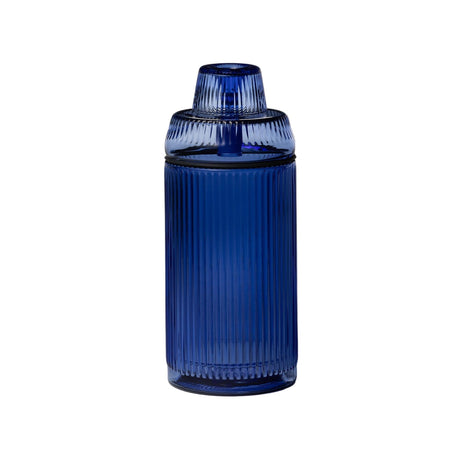


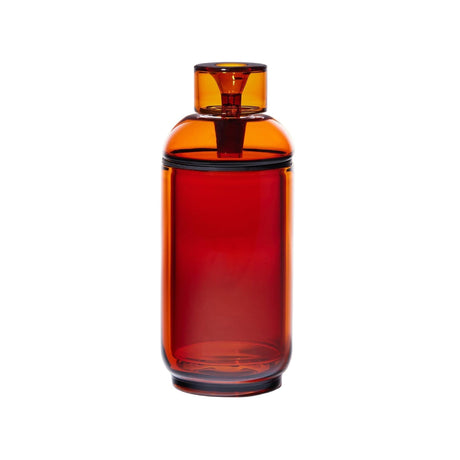












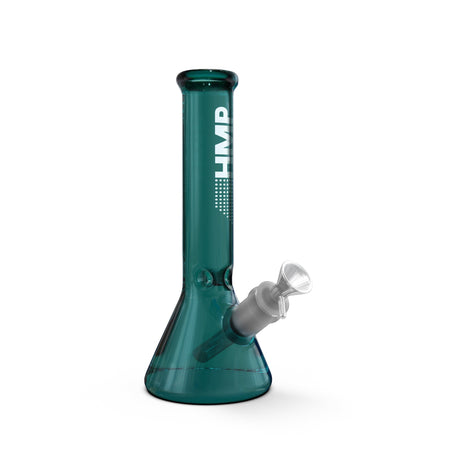


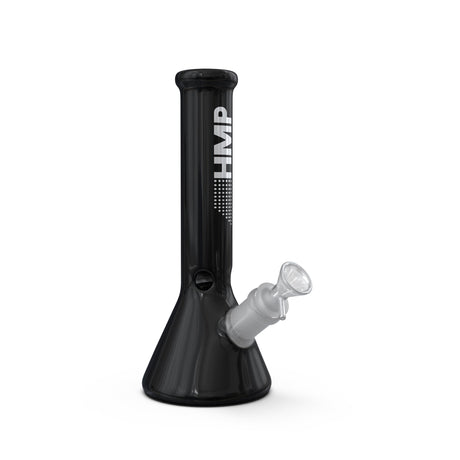


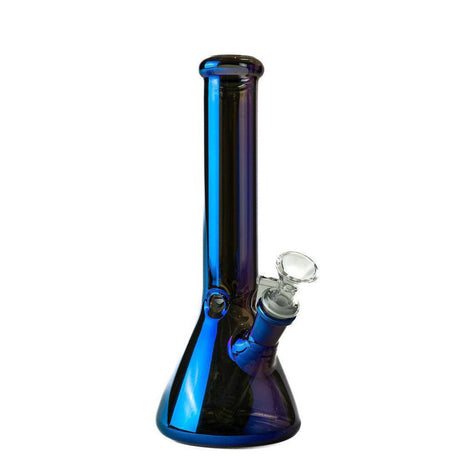
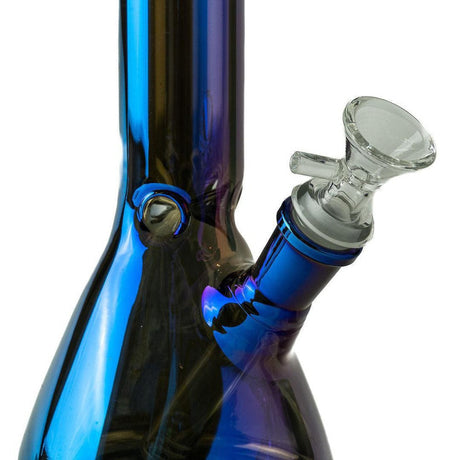

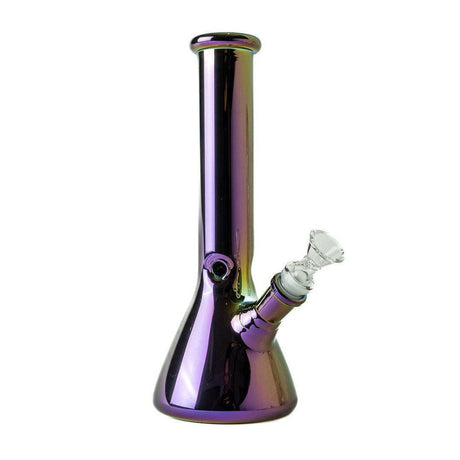


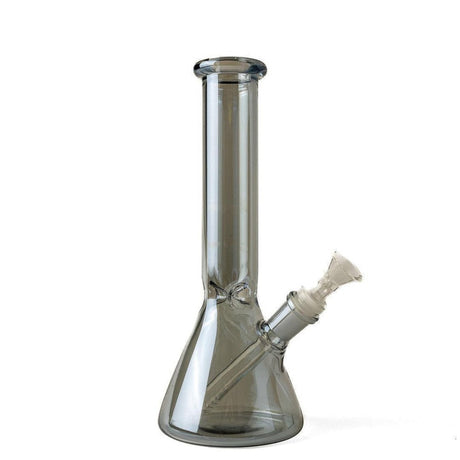
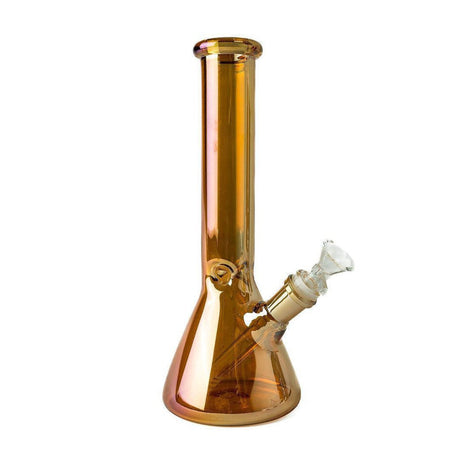


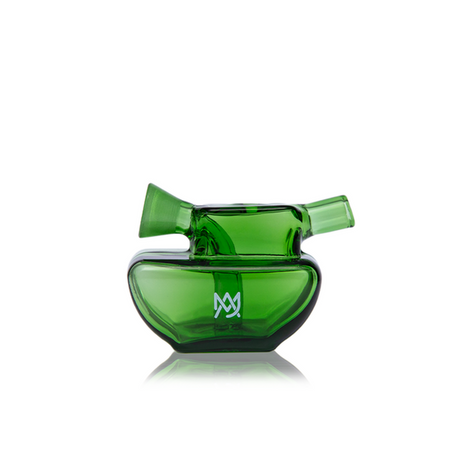
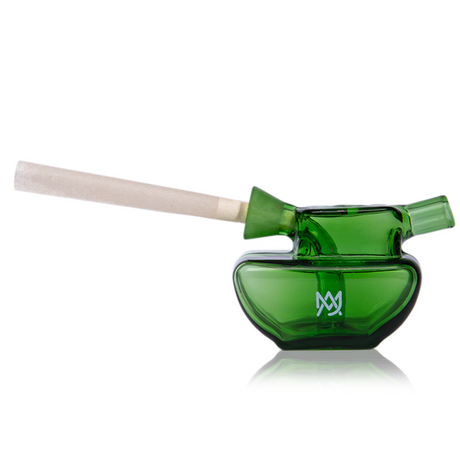


GLASS BONGS FOR EVERY SETUP, FROM FIRST PIECE TO SERIOUS RIG
Smoke & Vape carries glass bongs across more shapes and sizes than most shops bother with, because form factor isn't just an aesthetic choice, it actually changes how you smoke. A beaker base holds more water and stays stable on a table. A straight tube clears faster. A zong's bent neck cuts splashback. Brands like HMP, MJ Arsenal, Castle Glass, and Human Grade each bring something different to the lineup, from thick-walled heavy-duty tubes to compact bubblers built around portability. Borosilicate glass is the baseline across every piece here, not an upsell.
| Product | Best For | Why We'd Recommend It | One Thing to Know |
|---|---|---|---|
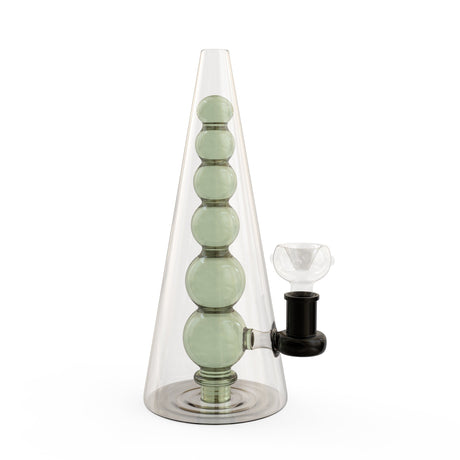
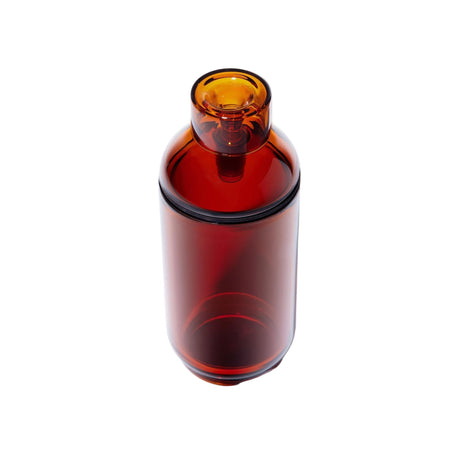
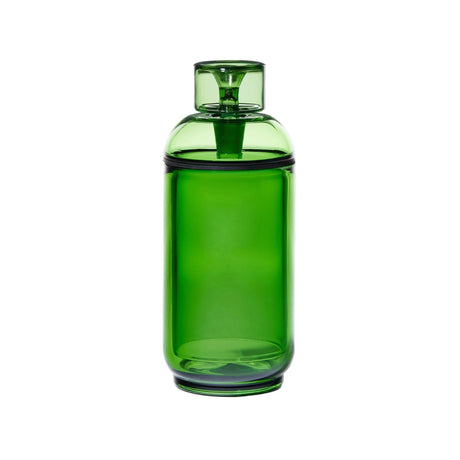
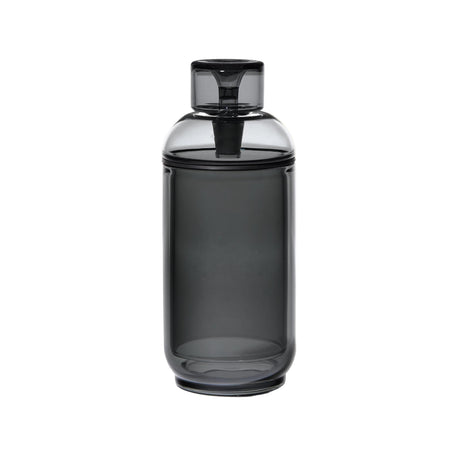
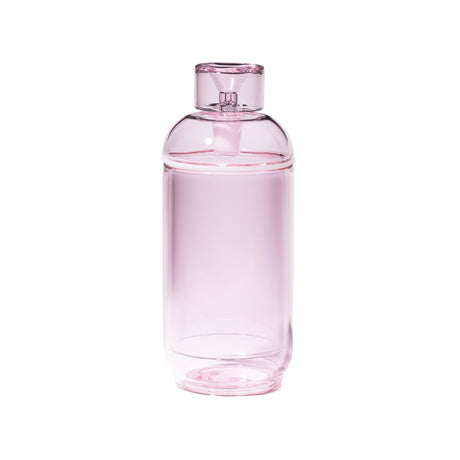
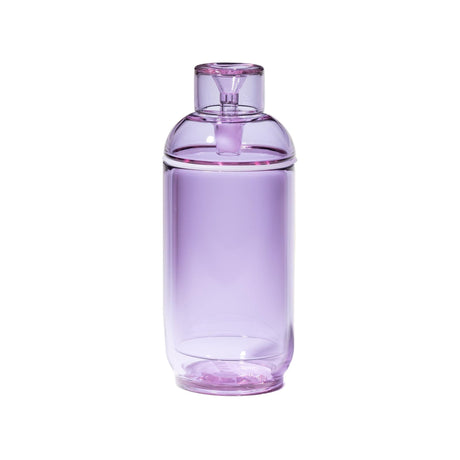
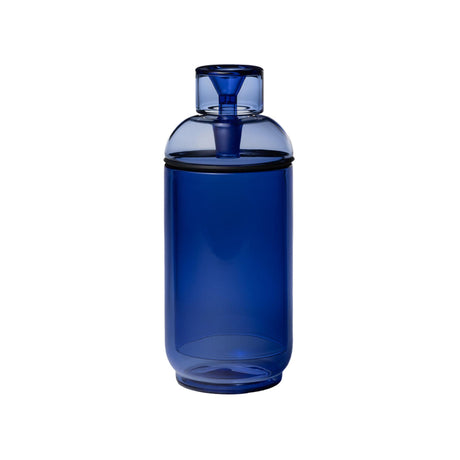
 NWTN HOME Deco Gravity Bong |
Someone who wants a gravity bong that doesn't look like a DIY project | Ribbed borosilicate glass in seven colorways, so it doubles as something you'd leave on a shelf between sessions. | It's a gravity bong, meaning you'll need to fill and flip it each time, which is slower than just packing a bowl. |
 HMP 16" Glass Beaker Bong |
First bong buyer who wants the classic shape in a full-size tube | Beaker base with an ice pinch at 16", giving you stable water volume and cooler draws right out of the box. | 16 inches is tall enough to be awkward in smaller spaces, and harder to clean in a standard sink. |
 HMP 8" Glass Zong Bong |
Anyone dealing with splashback on shorter pieces | The zig-zag neck catches water before it hits your lips, solving the most common complaint about compact bongs. | That kinked neck is trickier to scrub than a straight tube, so you'll want brushes or a shaking cleaner. |
 HMP 10" Glass Straight Bong - Heavy Duty |
Everyday use where durability matters more than features | Thick-walled glass in a no-frills straight tube that clears fast and takes a beating. | No ice pinch or percolator, so hits come through warm and unfiltered compared to bigger setups. |
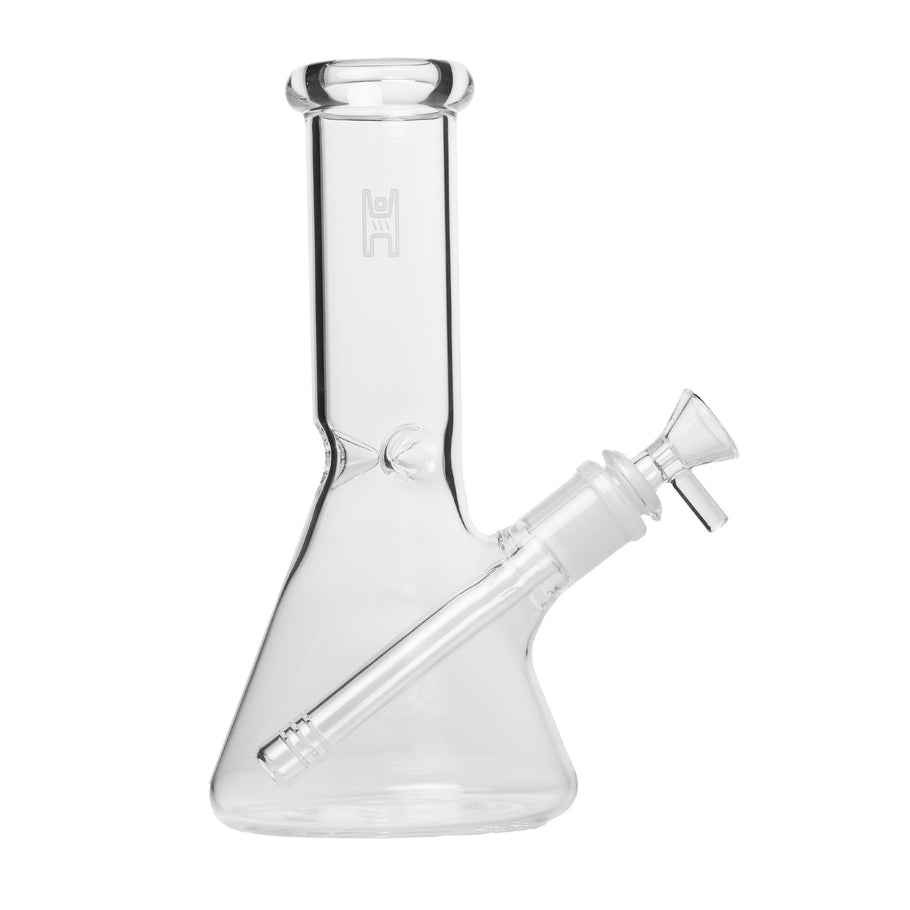 Human Grade 6" Beaker Bong |
Keeping things small enough to tuck in a bag or store in a drawer | Beaker base with a removable downstem and ice catcher packed into just 6 inches. | The tiny chamber means less water filtration, so draws will be noticeably harsher than anything 10" or above. |
Everyone fixates on height first, but that's actually the last thing to decide. The real question is how you'll use it: gravity bongs like the Deco are a different ritual entirely from a standard tube, so rule that in or out before anything else. Once you've settled on a traditional bong, think about where it'll live (countertop vs. a cupboard) and that'll point you toward size. Taller tubes hit smoother but need more cleaning and counter space, while anything under 10" trades filtration for portability.
Glass Bongs That Make Sense for How You Actually Smoke
If you’ve ever taken a pull that splashed water, felt harsh out of nowhere, or couldn’t get your piece clean, you’ve already learned that “a bong is a bong” is a myth. This guide breaks down how common glass bong designs really behave in your hands, so you can read specs like height, base shape, and ice pinches and actually know what they’ll change. We’ll share the stuff we end up explaining all the time at Smoke & Vape, because the small details are what decide if a piece feels effortless or annoying.
Gravity bongs vs standard water pipes aren’t even the same ritual
Most people assume a gravity bong is just “a bong that hits harder,” but it’s really a different airflow system. Instead of you pulling air through water, the device uses moving water and pressure to force smoke into the chamber, then into you, so the timing and pacing change. That’s why something like the NWTN HOME Deco Gravity Bong or Vesper Gravity Bong feels more like a fill and clear routine than a sip and repeat session. If you like slow, controlled draws, a traditional beaker or straight tube usually matches you better than a gravity setup.
Base shape decides stability and how forgiving your water line is
People fixate on height, then wonder why a piece feels fussy, the water line and footprint matter more day to day. A beaker base holds more water and spreads weight out, so it’s harder to tip and less picky about being filled to the exact millimeter (think HMP 16" Glass Beaker Bong or Human Grade 12" Beaker Bong). Straight bases can still be stable, but they’re less forgiving when you overfill, because the water sits higher relative to the downstem. If stability is your problem but you don’t want a huge base, shapes like the HMP 12" Glass Hexagon Bong - Heavy Duty exist mainly to add footprint so it stays planted.
Tube style controls how fast it clears (and that’s what you feel)
A lot of folks think smoother equals “more filtration,” but a big part of smooth is how quickly the chamber dumps when you clear it. Straight tubes like the HMP 16" Glass Straight Bong clear fast because there’s less internal resistance, so the smoke exits quickly and doesn’t hang around getting warm. Beakers can feel slower because the wider chamber volume takes more air movement to evacuate, even if the pull itself is easy. Ball-style chambers like the Human Grade 9" Ball Bong and 6" Ball Bong change that again, they’re compact but can still give a surprisingly full-feeling pull because the round chamber fills quickly.
Ice pinches don’t “filter” smoke, they just manage temperature and splash
Ice pinches are commonly treated like a must-have, but they only do what the name says, they hold ice so the air path is cooled as smoke passes. That can make a noticeable difference on pieces that already have some height (you’ll see ice pinches on a lot of HMP beakers and straights, like the 12" Glass Straight Bong or 10" Glass Beaker Bong - Color Collection). The part people miss is the tradeoff: adding ice adds meltwater, and that changes your water level over a session, which is one reason hits can go from smooth to splashy without you changing anything. If splashback bugs you, neck and chamber design can matter more than ice, like the zig-zag neck on the HMP 8" Glass Zong Bong or the cone-style idea behind the HMP 12" Glass Pyramid Bong - Lava-Lamp.
Built-in diffusion and percs are about bubble size, not bragging rights
A perc isn’t magic, it’s just a way to break one big stream of smoke into lots of smaller bubbles. Smaller bubbles mean more surface area touching water, which usually softens the feel of the hit but also adds drag, so you’ll pull harder for the same amount of smoke. That’s why pieces with clear perc features, like the HMP 11" Glass Beaker Bong with Perc - Blue & Milk Glass, can feel smoother but slower than a no-frills heavy tube. Some “diffusion” is subtler, like an internal diffuser on the Human Grade 12" Tube Bong, which can calm the hit without turning the pull into work.
Frequently Asked Questions
What does joint size mean on a bong, and does it matter when buying accessories?
Joint size refers to the diameter of the glass opening where your bowl, downstem, or other attachment connects to the bong. The three standard sizes you'll see are 10mm, 14mm, and 18mm. Most bongs in the mid-size range use 14mm joints, which is the most common by far. For example, the Human Grade 12" Ball Bong uses a 14mm joint, and you'll find the same size across most of the HMP and Castle Glass beakers. Smaller pieces, especially mini rigs and bubblers, sometimes use 10mm, while larger 16" and 18" tubes occasionally step up to 18mm.
It absolutely matters when you're buying accessories. If you grab a 18mm bowl for a bong with a 14mm joint, it simply won't fit. Same goes for downstems, ash catchers, and any adapter you might want later. The good news is that joint size is almost always listed in the product specs, so just check before you add anything to your cart. If you're ever unsure, 14mm is a safe bet for the majority of standard bongs.
One more thing worth knowing: joints come in male and female versions. A male joint has glass that sticks out and you slide something over it; a female joint is a socket you insert something into. Most traditional bongs have a female joint on the body, meaning you'll need a male bowl or downstem to go with it. Getting both the size and gender right is what makes everything seat together properly, so it's worth double checking both before you buy add-ons.
Can you use a glass bong with dry herb and concentrates, or do you need different pieces for each?
You can absolutely use the same glass bong for both dry herb and concentrates, but you'll need to swap out the bowl piece. For flower, you use a standard glass bowl. For concentrates, you swap that bowl for a quartz banger or a dab nail that fits the same joint size. So if you have something like the HMP 16" Glass Beaker Bong with a 14mm female joint, you'd just need a 14mm male quartz banger to turn it into a dab rig.
That said, there are tradeoffs. Bongs designed primarily for dry herb tend to be taller with more water volume and sometimes percolators, which is great for cooling flower smoke but can actually work against you with concentrates. Concentrates produce vapour, not smoke, and too much filtration or too large a chamber can dilute the flavour and make it harder to clear efficiently. A big 16" beaker will still work for dabs, but you might find you're not tasting as much as you would on a smaller, more compact piece.
If you mainly smoke flower and only dab occasionally, a standard beaker or straight tube with an interchangeable banger is a perfectly fine solution. If you're serious about both, a lot of people end up with two pieces: a larger bong for flower and something smaller and more direct for concentrates. Compact pieces like the Human Grade 9" Ball Bong or the HMP 7" Glass Peak Bong can pull double duty fairly well because their smaller chambers preserve flavour better during dab sessions.
What accessories should I buy alongside my first glass bong?
At minimum, you'll want a few things ready to go on day one. A grinder is essential if you're smoking dry herb, because evenly ground flower packs better and burns more consistently than hand-broken chunks. You'll also want a lighter or hemp wick, and some kind of cleaning solution. Isopropyl alcohol and coarse salt work fine, but purpose-built bong cleaners save you some hassle.
Beyond the basics, an ash catcher is one of the best upgrades you can make early on. It sits between your bowl and downstem, catching debris before it reaches the water in your bong. This keeps your main piece cleaner for longer, which means less scrubbing and better tasting hits. Just make sure the ash catcher matches your bong's joint size and angle.
A spare bowl is also smart to have on hand. Bowls are the piece most likely to break because they're small, removable, and constantly handled. Having a backup means a dropped bowl doesn't end your session. If your bong has a removable downstem, like the Human Grade 12" Beaker Bong or the HMP 10" Glass Beaker Bong - Color Collection, grabbing a spare downstem isn't a bad idea either.
Finally, consider screens. Small metal or glass screens sit in your bowl and prevent ash and small particles from pulling through into the water. They're inexpensive and make a noticeable difference in keeping your water and downstem cleaner between full cleanings. None of these accessories are glamorous, but they're the stuff that makes owning a bong feel easy instead of like a chore.
What is borosilicate glass and is it actually better than regular glass for a bong?
Borosilicate glass is a type of glass that contains boron trioxide, which changes how the material responds to heat and stress. You've probably used it before without knowing it; Pyrex baking dishes are made from the same stuff. The key difference from regular soda-lime glass (the kind used in drinking glasses and windows) is that borosilicate handles temperature changes much better without cracking. When you're applying a flame directly to a bowl and running hot smoke through a chamber, that thermal resistance matters a lot.
Regular glass can develop stress fractures over time from repeated heating and cooling cycles. It's also generally softer and more prone to chipping. Borosilicate is harder and more durable, which is why it's the standard material for virtually every quality glass bong on the market. Every piece from HMP, Human Grade, Castle Glass, and MJ Arsenal listed here is made from borosilicate glass, and that's not a coincidence. It's the material that makes sense for something you're going to heat, clean, and handle regularly.
Is it actually better? Yes, and it's not even close for this application. A bong made from regular glass is more likely to crack from thermal shock, break from minor impacts, and degrade with cleaning chemicals over time. Borosilicate isn't indestructible, and you can still break it if you knock it off a table, but it gives you a meaningfully more durable and heat-resistant piece. When you see "borosilicate" in a product description, that's a sign the manufacturer is using the right material for the job, not cutting corners.
How thick should the glass be on a bong if you want it to last?
Glass thickness is measured in millimetres, and most bongs fall somewhere between 3mm and 9mm. For a piece that's going to live on a table and get used regularly, 5mm is a solid baseline. That's thick enough to handle normal everyday use, bumps, and cleaning without feeling fragile. A lot of the HMP Heavy Duty collection, like the 12" Glass Beaker Bong - Heavy Duty and the HMP 10" Glass Straight Bong - Heavy Duty, is built with thicker glass specifically for durability, and you can feel the difference when you pick them up.
Thicker isn't always better though. More glass means more weight, and a heavy 18" beaker like the Castle Glass 18" Glass Beaker Bong - Lines is already a substantial piece. Adding even more thickness would make it harder to handle, especially when you're tipping it to pour out water for cleaning. For smaller bongs, like the HMP 8" Glass Beaker Bong - Premier Color Collection, the glass doesn't need to be as thick because there's less leverage working against it. A shorter piece with 4mm to 5mm glass can be perfectly durable because there's less distance for it to flex or torque.
The honest answer is that glass thickness protects against minor accidents, not major ones. A 9mm bong dropped on tile is still going to break. What thicker glass really does is handle the small stuff: getting set down a little hard, clinking against a lighter, or being gripped firmly during cleaning. If you're someone who tends to be a bit rough with your gear, lean toward the heavy duty options. If you're careful and want something lighter to hold, standard thickness borosilicate will serve you well.
What is a downstem and do all glass bongs come with one included?
A downstem is the tube that extends from the joint on the side of your bong down into the water. It's what directs the smoke from your bowl into the water for filtration. When you light your bowl and inhale, smoke travels through the downstem and exits through slits or holes at the bottom, creating the bubbles you see. Without a downstem, smoke would just sit in the chamber without passing through water, and you'd lose the whole point of using a bong.
Most bongs do come with a downstem and a bowl piece included, but it's always worth confirming before you buy. Pieces like the Human Grade 12" Beaker Bong and the HMP 10" Glass Beaker Bong - Color Collection come with removable downstems, which means they're separate pieces you can pull out for cleaning or replace with an upgraded version. Some bongs, particularly simpler or more compact designs like the Human Grade 6" Ball Bong and 9" Ball Bong, have built-in (fixed) downstems where the tube is fused directly into the glass body.
The type of downstem also affects your experience. Some downstems have multiple slits at the bottom to break smoke into finer bubbles, which adds diffusion and softens the hit. Others have a single open end, which offers less filtration but also less drag. The Human Grade 12" Tube Bong, for instance, includes an internal diffuser that does this work without a separate removable part. If you're buying a bong with a removable downstem, pay attention to both the joint size and the length, because downstems are sized by how far they need to reach into the water.
Is a glass bong better than a silicone bong for everyday use?
It depends on what "everyday use" looks like for you. Glass delivers a cleaner, purer flavour because it's non-porous and doesn't absorb or impart any taste. Every hit through a clean glass bong tastes like whatever you packed in the bowl, nothing more. Silicone, on the other hand, can develop a subtle flavour over time, especially if it's not cleaned regularly. For people who care about taste, glass wins clearly.
Durability is where silicone has its obvious advantage. You can drop a silicone bong off a counter and it'll bounce. A glass bong in the same situation is done. That said, "durability" and "quality of use" aren't the same thing. Glass is easier to see through, so you know when it needs cleaning. It's also easier to actually clean, because isopropyl alcohol and salt work quickly on glass surfaces without any risk of degrading the material. Silicone can be trickier to get truly clean, and some cheaper silicone pieces can warp or discolour with heavy solvent use.
For daily home use where your bong sits on a table and doesn't travel, glass is the better choice for most people. Something like the HMP 12" Glass Beaker Bong - Heavy Duty is built with thick walls specifically for regular use, and it'll deliver consistent flavour and easy cleaning session after session. If you're taking your piece to a campsite, a friend's backyard, or anywhere it might get knocked around, silicone makes more practical sense. A lot of people end up owning one of each: glass at home for the better experience, and silicone for when things get unpredictable.
What is the difference between a bubbler and a bong, and when would you choose one over the other?
A bubbler is essentially a smaller, more portable water pipe that combines the water filtration of a bong with the handheld size of a pipe. Bongs are larger, typically sit on a flat surface, and use removable bowls and downstems. Bubblers are usually one piece (or close to it), with built-in bowls and chambers that you hold in your hand while you smoke. Think of a bubbler as the middle ground between a dry pipe and a full bong.
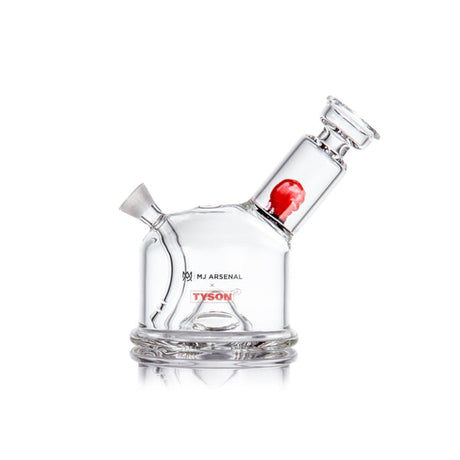
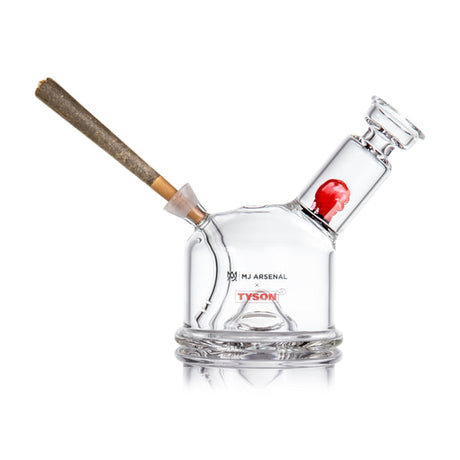
The MJ Arsenal lineup is a good example of what modern bubblers look like. The Steamboat Bubbler - Alpine Collection has a built-in percolator and a wooden base, so it can sit on a table but is still compact enough to hold. The MJA x Tyson 2.0 Punch-Out Bubbler and The King Blunt Bubbler are even smaller, designed to be picked up and used almost like a pipe but with water cooling the hit. Compare any of those to something like the HMP 16" Glass Beaker Bong, and the size and use case difference is immediately obvious.
Choose a bubbler when portability and convenience matter more than maximum filtration. They're great for quick sessions, small spaces, or when you don't want to deal with filling and emptying a large chamber. Choose a bong when you want smoother, cooler hits and don't mind the setup and cleanup that comes with a bigger piece. Bubblers hold less water, so they won't filter as thoroughly, and the smaller chambers mean warmer hits compared to a 12" or 16" bong. But if you've ever wished your pipe had water filtration without the footprint of a full bong, a bubbler is exactly that compromise.
Are there specific bong shapes that are easier for beginners to use?
Yes, and the answer is simpler than you might expect. A beaker bong in the 10" to 12" range is the easiest shape for someone who's never used a bong before. The wide base makes it stable on a table so you're not worried about tipping it over, and the water volume is forgiving enough that you don't need to fill it to an exact level. Something like the HMP 10" Glass Beaker Bong - Color Collection or the Human Grade 12" Beaker Bong is about as straightforward as it gets: fill with water, pack the bowl, light, inhale, clear.
Straight tubes are a close second, but they're slightly less forgiving. They clear faster, which can catch a new user off guard and lead to coughing. They're also a bit easier to overfill since the water sits higher relative to the mouthpiece. That said, the HMP 10" Glass Straight Bong - Heavy Duty is a great beginner straight tube because the shorter height keeps things manageable and the thick glass handles clumsy moments.
Shapes to maybe hold off on as a beginner include gravity bongs like the NWTN HOME Deco Gravity Bong (which requires a specific fill and flip technique) and very small pieces like the Human Grade 6" Ball Bong (which deliver harsher hits due to minimal water filtration). The zong shape, like the HMP 8" Glass Zong Bong, is fine functionally but the kinked neck is harder to clean, which can frustrate someone still learning maintenance habits. Once you're comfortable with a standard beaker, branching out to other shapes is easy because you'll already understand the basics of water level, clearing, and cleaning.
What is the difference between a bong with a fixed downstem and one with a removable downstem?
A fixed downstem is permanently fused into the glass body of the bong. You can't pull it out, replace it, or swap it for a different style. A removable downstem is a separate glass tube that slides into the joint and can be taken out whenever you want. Both do the same job of directing smoke into the water, but the practical differences show up in cleaning, maintenance, and customization.
Removable downstems are easier to clean because you can pull them out, soak them separately, and scrub the inside of the bong without working around a fixed tube. Pieces like the Human Grade 12" Beaker Bong and the HMP beaker bongs across most sizes use removable downstems, which is part of why they're popular for everyday use. You can also replace a removable downstem if it breaks or upgrade to one with more diffusion slits for a smoother hit. That flexibility is a real advantage over time.
Fixed downstems are more common on compact pieces where a removable part would be impractical. The Human Grade 6" Ball Bong and 9" Ball Bong, for example, have built-in downstems because the small chamber doesn't leave room for a separate removable piece. The upside is fewer parts to keep track of and nothing that can accidentally slide out and break. The downside is that if the downstem gets clogged or damaged, you're dealing with the whole bong, not just a replaceable part.
For most people, a removable downstem is the better choice, especially if it's your main piece. The ability to take it apart for cleaning alone makes a noticeable difference in how easy the bong is to maintain. If you're looking at a compact or travel-friendly piece, a fixed downstem is a reasonable tradeoff for simplicity and durability.