Perfect Grind, Better Burn: Shop Herb Grinders (2, 3 & 4 Piece)!
Want a finer, more consistent grind for a better smoking experience? A quality herb grinder is an essential tool for any smoker! Choose from simple 2-piece grinders for effective grinding, or upgrade to 3-piece (catch compartment) and 4-piece (kief catcher) designs for added convenience and potency collection. Grinding ensures an even consistency for better airflow and a smoother, more consistent burn, all while keeping your fingers clean. And remember, we offer free shipping everywhere in Canada on orders over $49! Explore our selection and find the perfect grinder to elevate your preparation routine.
Grinder Cards | Rolling Papers | Pre-Rolled Cones | Wraps | Rolling Tips & Accessories | Rolling Trays | Ashtrays
Perfect Grind, Better Burn: Shop Herb Grinders (2, 3 & 4 Piece)!
Want a finer, more consistent grind for a better smoking experience? A quality herb grinder is an essential tool for any smoker! Choose from simple 2-piece grinders for effective grinding, or upgrade to 3-piece (catch compartment) and 4-piece (kief catcher) designs for added convenience and potency collection. Grinding ensures an even consistency for better airflow and a smoother, more consistent burn, all while keeping your fingers clean. And remember, we offer free shipping everywhere in Canada on orders over $49! Explore our selection and find the perfect grinder to elevate your preparation routine.
Grinder Cards | Rolling Papers | Pre-Rolled Cones | Wraps | Rolling Tips & Accessories | Rolling Trays | Ashtrays
 NEWNew arrival
 NEWNew arrival
 NEWNew arrival
-
![Kannastör 4pcs Aluminum 1.5 Solid Body Grinder, a sleek round metal cylinder with a secure black top, designed for efficient and precise herb grinding.]() Up to 77% off
Up to 77% off -
25% off
-
![Metal Dugout Grinder: four matte-black aluminum pieces including a screw-on lid, magnetic lid, one-hitter tool, and dugout box with astronaut graphic, GET LOST text.]()
![Pocket-sized Metal Dugout Grinder by GET LOST featuring a black one-hitter pipe, screw-on lid ashtray, and stash box with astronaut design.]()
![Metal Dugout Grinder featuring GET LOST lid, silkscreened astronaut case, and components for discreet storage and smoking, including a filter-tip holder and rolling tray.]() NEWUp to 25% off
NEWUp to 25% off -
50% off
-
![Smart Stash Built-In Grinder Storage Jar - Small, featuring a sleek design with a built-in grinder plate and humidity control for optimal flower freshness.]() Up to 50% off
Up to 50% offV-Syndicate
Smart Stash Built-In Grinder Storage Jar - Small
$1400 CAD$2799Unit price /Unavailable -
![Smart Stash - Medium - Hamsa Yellow-Turning Point Brands Canada]()
![Smart Stash Built-In Grinder Storage Jar - Medium with a gold owl design, featuring a humidity pack and grinder plate for optimal herb storage.]()
![Smart Stash - Medium - Owllusion Turquoise-Turning Point Brands Canada]()
![Smart Stash - Medium - THC Elemental Yellow-Turning Point Brands Canada]() Up to 59% off
Up to 59% offV-Syndicate
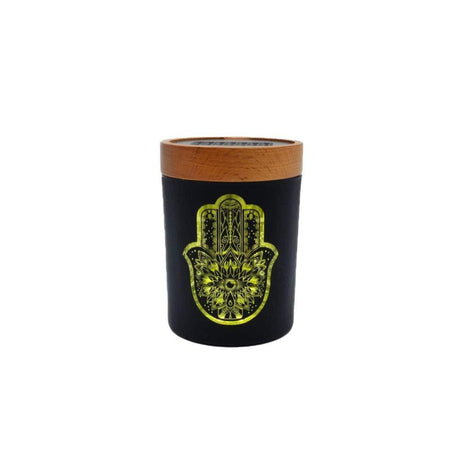
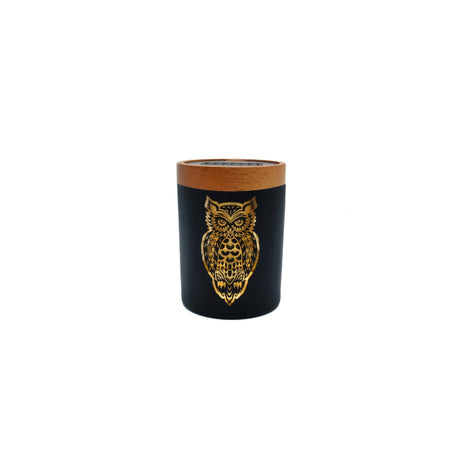
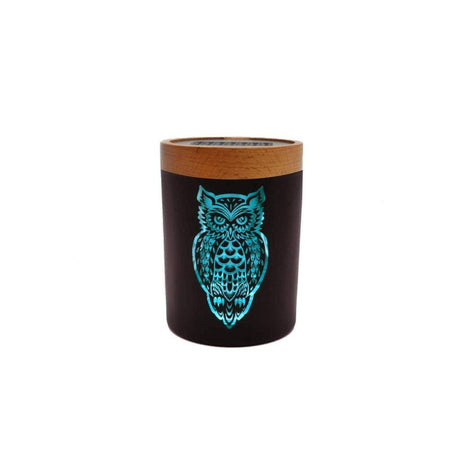
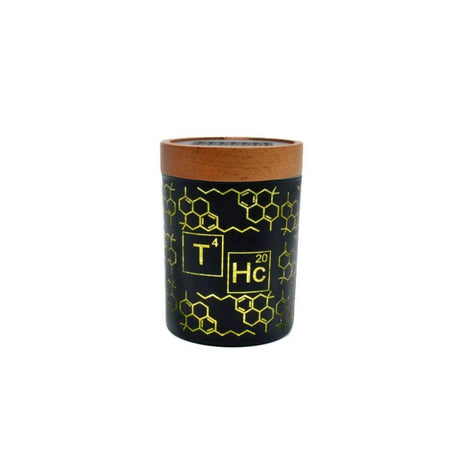
Smart Stash Built-In Grinder Storage Jar - Medium
From $1275 CAD$3099Unit price /Unavailable -
50% off
-
50% off
-
50% off
-
50% off
-
50% off
-
50% off
-
50% off
-
![SLX - Charcoal - 62mm-Turning Point Brands Canada]()
![SLX - Silver - 62mm-Turning Point Brands Canada]() Up to 50% off
Up to 50% off -
25% off
-
-
-
-
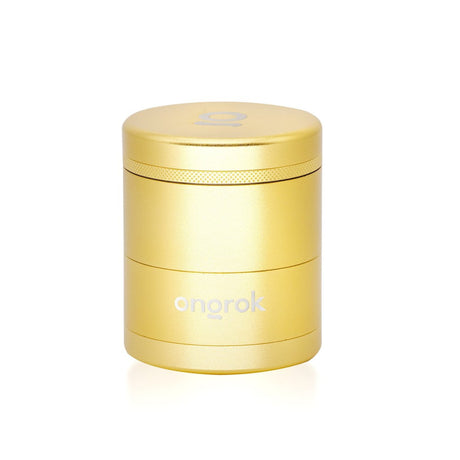
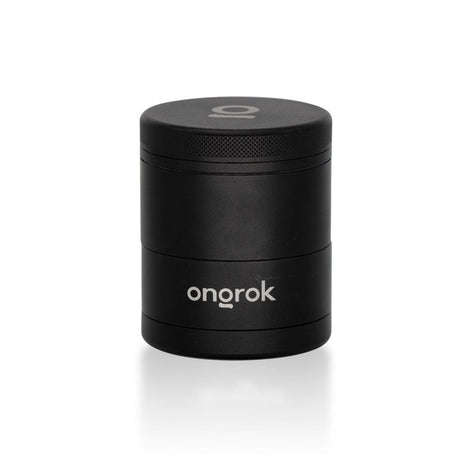
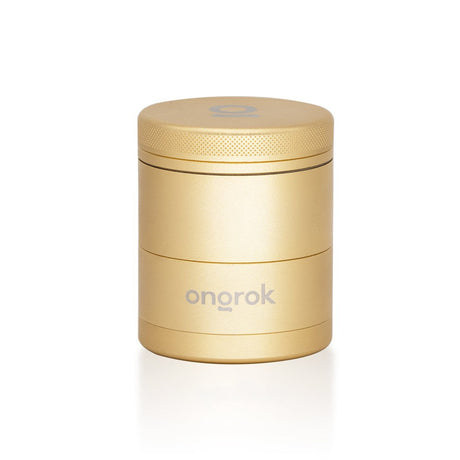
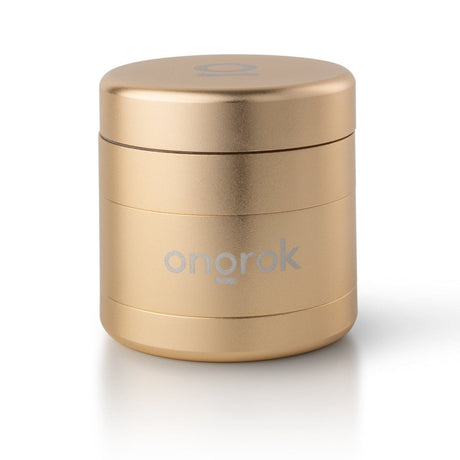
![5pcs Aluminum 3 Flower Petal Toothless Grinder with Storage, featuring a gold cylindrical design with a round lid and visible logo detail.]()
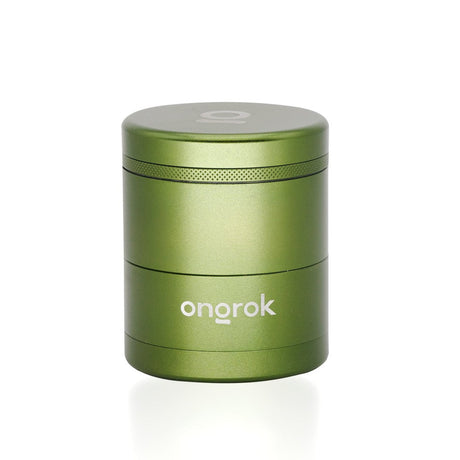
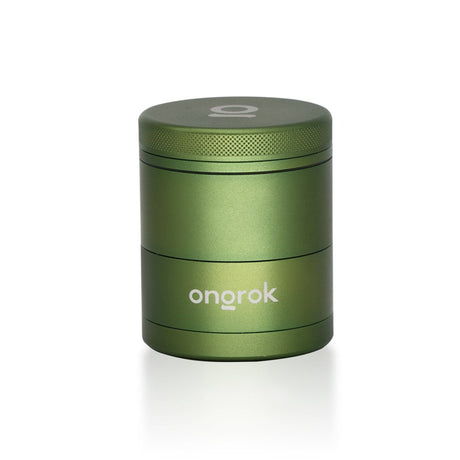
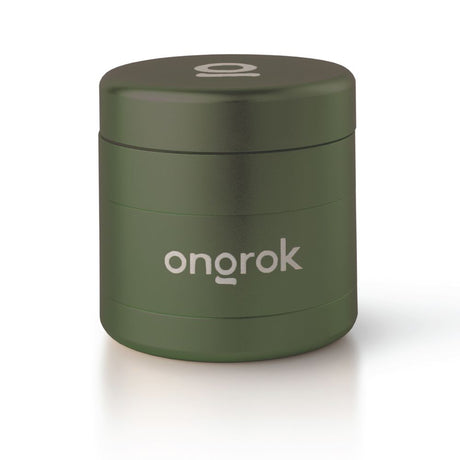
![5pcs Aluminum 3 Flower Petal Toothless Grinder with Storage, featuring a green cylindrical design and white text, ideal for efficient herb grinding and storage.]()
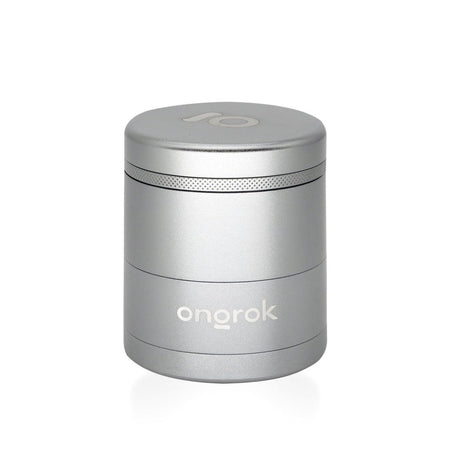
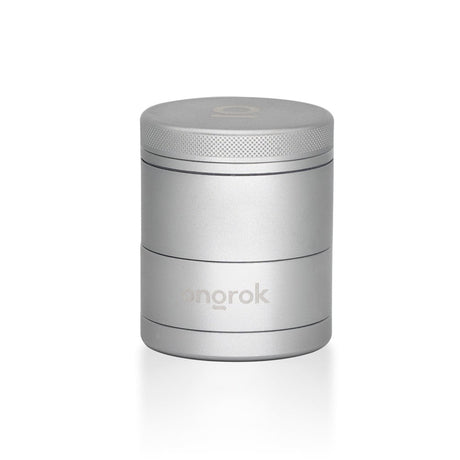
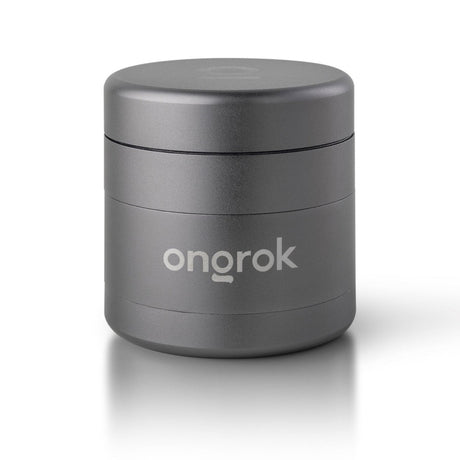
![5pcs Aluminum 3 Flower Petal Toothless Grinder with Storage, featuring a silver cylindrical design, logo on top, and innovative multi-chamber construction for efficient herb grinding.]()
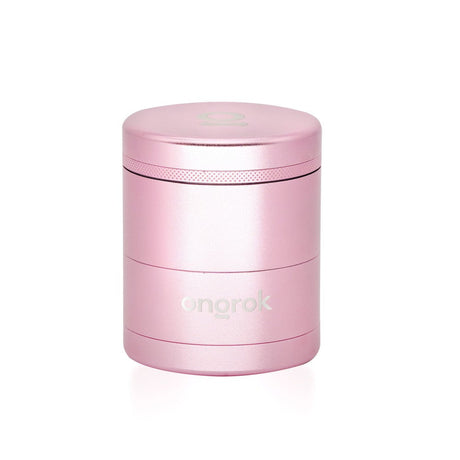
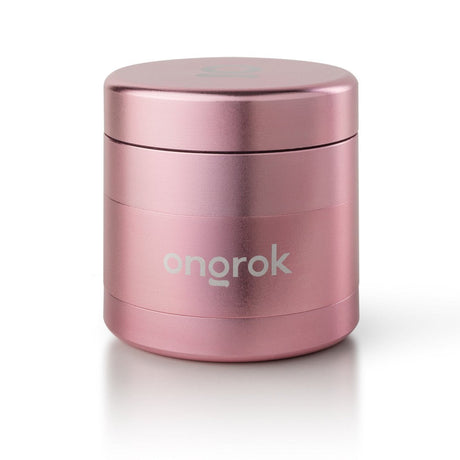
![5pcs Aluminum 3 Flower Petal Toothless Grinder with Storage; pink cylindrical grinder with round lid, logo visible, designed for efficient herb grinding and storage.]()
ONGROK
5pcs Aluminum 3" Flower Petal Toothless Grinder with Storage
$4499 CADUnit price /Unavailable -
![5pcs Aluminum 3 Pyramid Teeth Grinder with Storage, featuring a gold cylindrical body and engraved logo, designed for efficient herb grinding with multi-chamber functionality.]()
![5pcs Aluminum 3 Pyramid Teeth Grinder with Storage, featuring a green cylindrical design, white text, and a sturdy logo, ideal for efficient herb grinding.]()
![5pcs Aluminum 3 Pyramid Teeth Grinder with logo, featuring silver cylindrical design and storage, highlighting its durable, efficient grinding system.]()
![5pcs Aluminum 3 Pyramid Teeth Grinder with Storage, featuring a pink cylindrical design with a round top, showcasing its durable, efficient structure.]()
-
![4pcs Metal 2.2 Magnetic Grinder with magnetic lid and kief catcher, featuring a cylindrical design ideal for efficient herb grinding and storage.]()
![4pcs Metal 2.2 Magnetic Grinder features a secure magnetic lid, spacious chamber, and kief catcher, offering efficient herb grinding for portable use.]()
![4pcs Metal 2.2 Magnetic Grinder with a secure magnetic lid, designed for efficient herb grinding, featuring a kief catcher and spacious holding chamber.]()
![4pcs Metal 2.2 Magnetic Grinder, a cylindrical silver container with a magnetic lid, designed for efficient herb grinding and kief collection.]()
-
![4pcs Metal 2.5 Magnetic Grinder with a lid, showcasing its spacious design and durable zinc alloy construction, ideal for efficient herb grinding.]()
![4pcs Metal 2.5 Magnetic Grinder with a secure magnetic lid and spacious design, ideal for efficient herb grinding and storage.]()
![4pcs Metal 2.5 Magnetic Grinder, featuring a sturdy metal body with a lid, ideal for efficient herb grinding and storage.]()
-
![Kannastör 4pcs Aluminum 2.5 GR8TR Jar Body Grinder with Storage, featuring a round metal container and lid, ideal for precise, durable herb grinding.]()
![Kannastör - Jar Body Grinder 2.2" (Silver with Black Top)-Turning Point Brands Canada]()
Kannastör
4pcs Aluminum 2.5" GR8TR Jar Body Grinder with Storage
From $4399 CADUnit price /Unavailable -
![Kannastör 4pcs Aluminum 2.5 Solid Body Grinder with Storage, featuring a round, cylindrical design, close-up of its metal construction and deep storage chamber.]()
-
![4pcs Aluminum 2.6 EZ Grinder with a gold container and round lid, showcasing its portable design and functionality for consistent herb grinding.]()
![4pcs Aluminum 2.6 EZ Grinder, a green cylindrical container with white text, featuring triangular teeth for efficient herb grinding and storage.]()
![4pcs Aluminum 2.6 EZ Grinder, a black cylindrical grinder with white text, featuring deep chambers and a magnetic lid for secure herb storage and grinding.]()
![4pcs Aluminum 2.6 EZ Grinder, a pink cylindrical grinder with white text, featuring a durable design, deep chambers, and triangular teeth for efficient herb grinding.]()
-
![Kannastör - GR8TR Solid Body Grinder 2.2" (Rose Gold)-Turning Point Brands Canada]()
![Kannastör - GR8TR Solid Body Grinder 2.2" (Silver)-Turning Point Brands Canada]()
Kannastör
3pcs Aluminum 2.2" GR8TR Solid Body Grinder with Storage
$5999 CADUnit price /Unavailable -
![RYOT - Walnut GR8TR Grinder with Jar Body (Black)-Turning Point Brands Canada]()
Kannastör
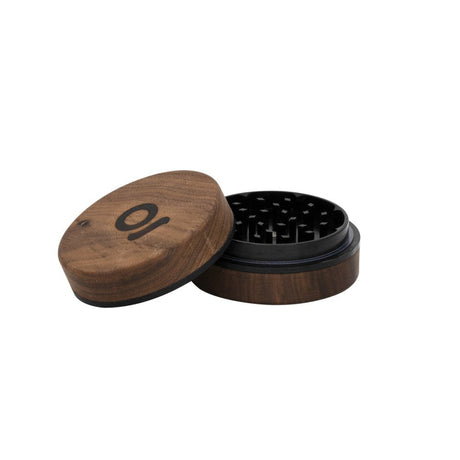
3pcs Wood 2.5" GR8TR Jar Body Grinder with Storage
From $4602 CADUnit price /Unavailable -
-
![2pcs Metal 2 Magnetic Grinder with precision-engineered 26 teeth, sleek polished finish, and secure lid, crafted for durability and efficient herb grinding.]()
![2pcs Metal 2 Magnetic Grinder, crafted from aircraft-grade aluminum, showcases a durable, compact design with 26 triangular teeth for efficient herb grinding.]()
![2pcs Metal 2 Magnetic Grinder with open lid, showcasing precision-engineered triangular teeth for a medium-to-fine grind, crafted from durable aircraft-grade aluminum.]()
-
-
![2pcs Metal 3 Magnetic Grinder, featuring a black circular design with a central white logo, showcasing its efficient grinding functionality and durable aluminum construction.]()
![Close-up of the 2pcs Metal 3 Magnetic Grinder, showcasing its deep chambers and triangular teeth for efficient herb grinding.]()
![2pcs Metal 3 Magnetic Grinder with round lid, featuring deep chambers and triangular teeth for efficient herb grinding and storage.]()
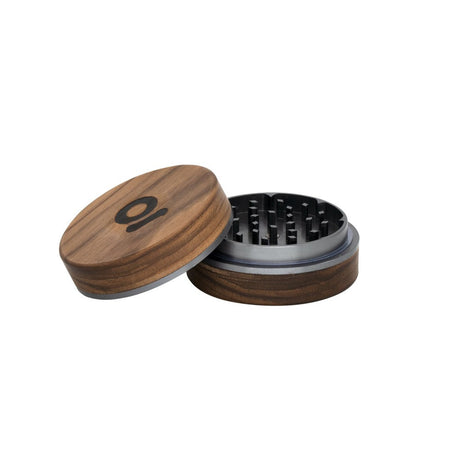
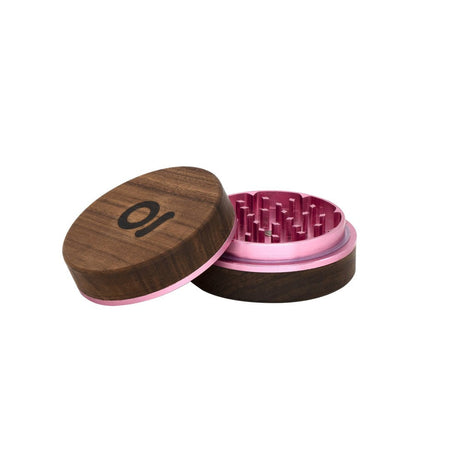
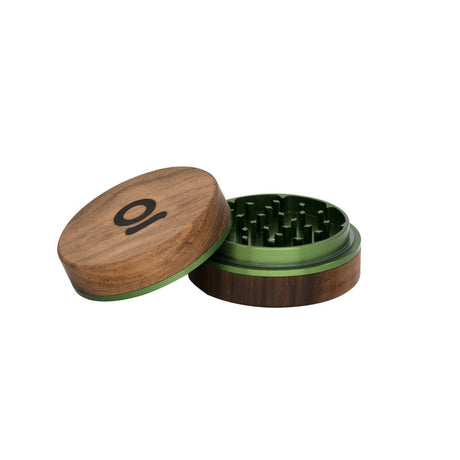
![2pcs Metal 3 Magnetic Grinder, featuring a wooden design with a black lid, deep chambers, and triangular teeth for efficient herb grinding and storage.]()
-
-
-
-
![Grinder Screen - 60 Mesh Stainless Steel: Close-up of circular mesh screen, designed for Kannastör Grinders, offering easy customization and long-lasting functionality.]()
-
-
-
-
-
![Mini 5 Piece Flower Petal Toothless Grinder with Storage - Black; cylindrical design with built-in storage and precision grinding features.]()
![Mini 5 Piece Flower Petal Toothless Grinder with Storage - Black, featuring a gold cylinder design, black brush, and airtight storage for consistent, fine grinding.]()
![Mini 5 Piece Flower Petal Toothless Grinder with Storage - Black, featuring a cylindrical aluminum body, built-in storage, and a visible logo design.]()
![Mini 5 Piece Flower Petal Toothless Grinder with Storage - Black, featuring a cylindrical design, built-in airtight storage chamber, and easy-clean removable screen for consistent grinding.]()
-
-
![Countertop display of six Lost Bear Grinders, bear-shaped with marbled finish, showcasing sleek, chrome-coated design; perfect for dispensaries and head shops.]()

![Countertop display box showcasing Grinder - Lost Bunny, featuring six metallic, cartoon-style bear herb grinders with chrome finishes, highlighting their compact, durable, and polished design.]()

-
-
![GET LOST dry-herb vaporizer kit includes a speckled vaporizer, base, packing tool, cleaning brush, hex key, metal piece, and USB charging cable.]()
-
-




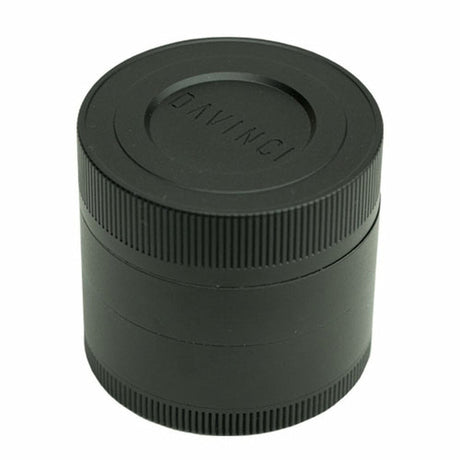
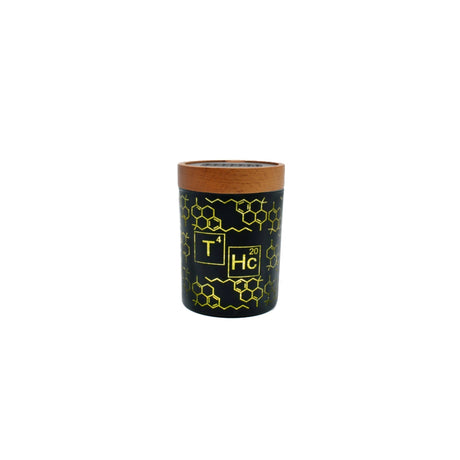
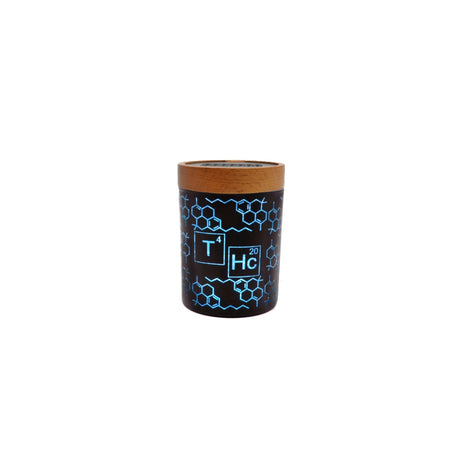
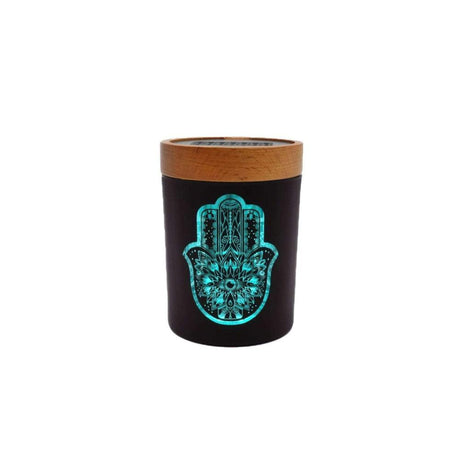




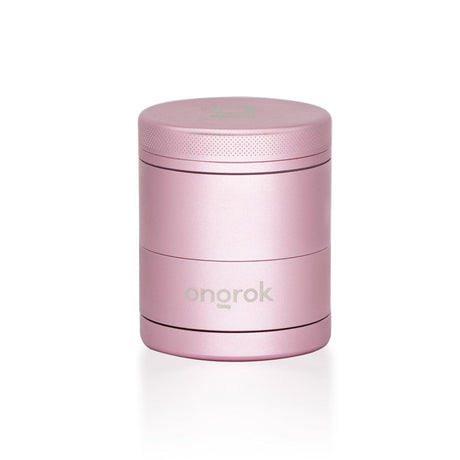
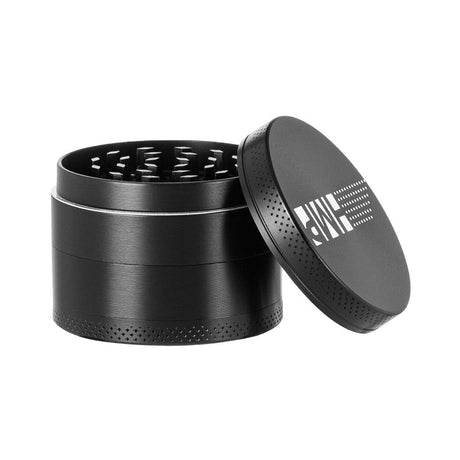
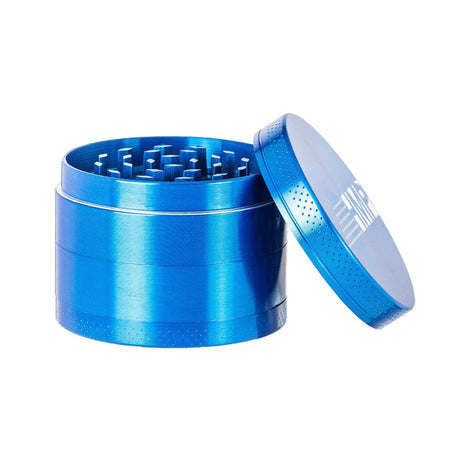
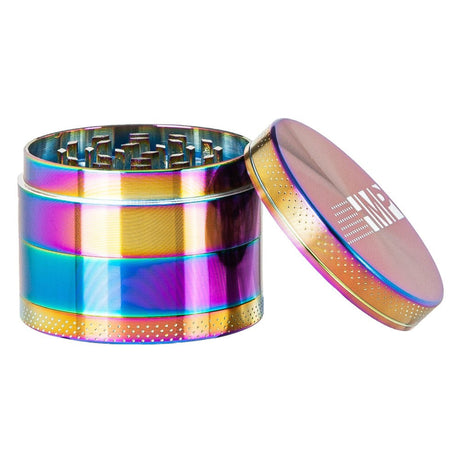






Grinders You’ll Like Using Every Day
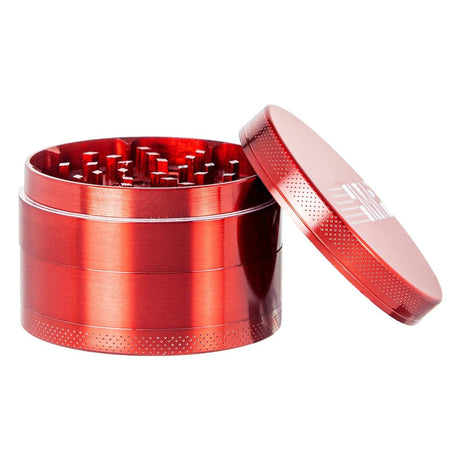
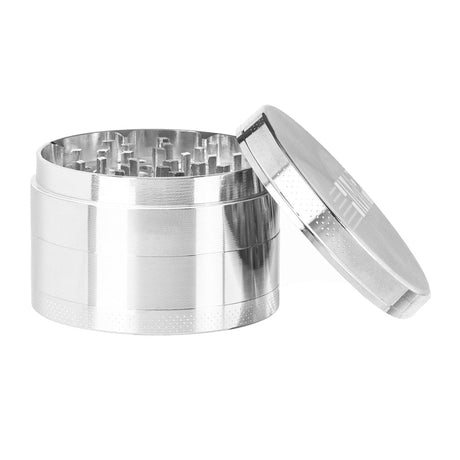
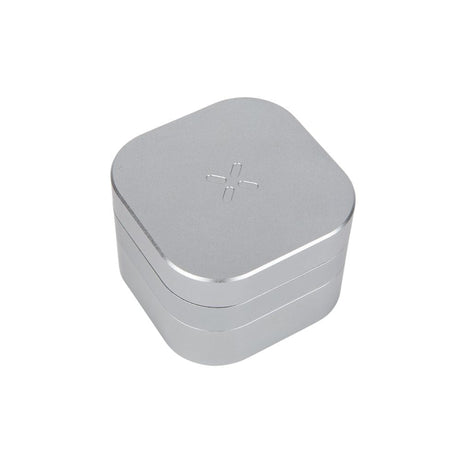
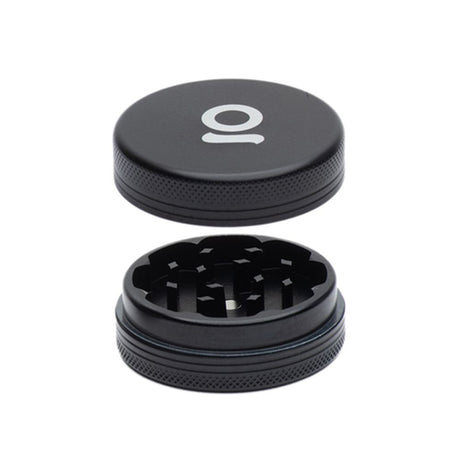
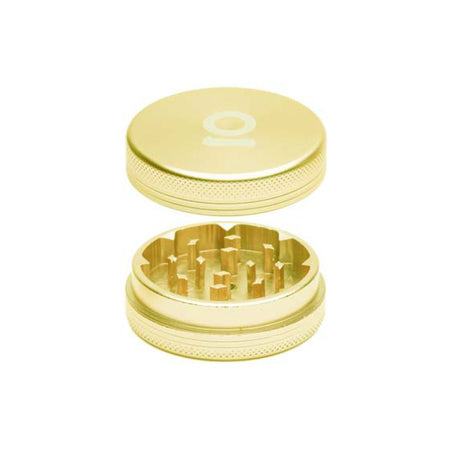
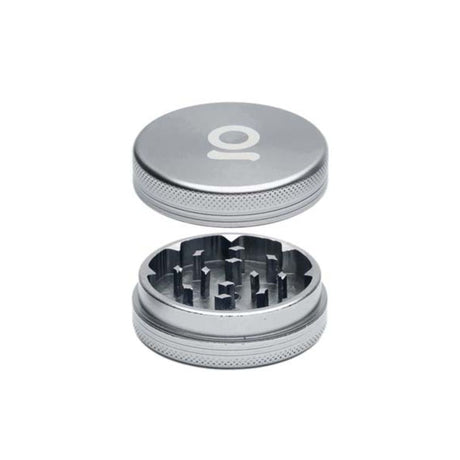
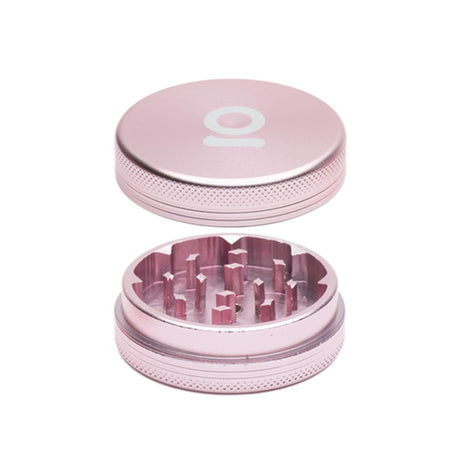
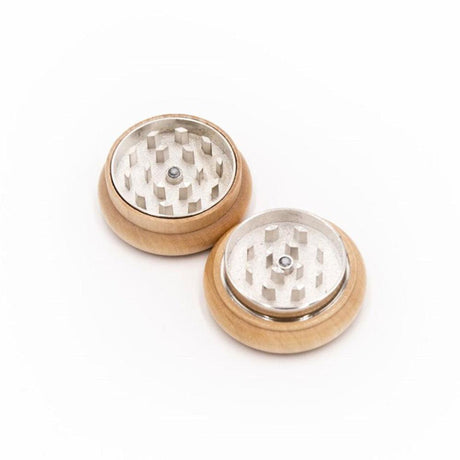
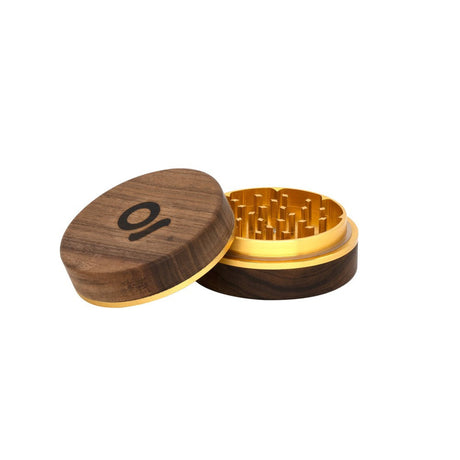
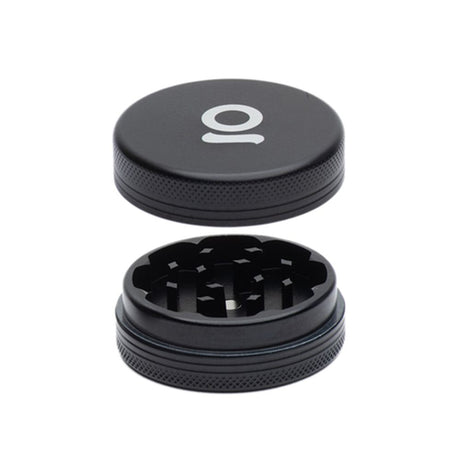
At Smoke & Vape, the real decision with a grinder isn’t the colour or the logo, it’s how much control you want over your prep. A simple 2 piece grinder keeps things fast and pocket friendly, while 4 and 5 piece builds add chambers and kief catchers when you care about saving finer material and keeping your grind consistent. If you’d rather skip the wrist work, electric options with USB charging and built in dispensing can grind and load cones with less handling. Get that one choice right first, then picking size and style is easy.
| Product | Best For | Why We'd Recommend It | One Thing to Know |
|---|---|---|---|
 GET LOST Electric Portable Grinder & Cone Loader |
Someone who wants to grind and load cones without touching the herb | Grinds and fills cones in one tool, with a collection chamber included | Rechargeable, so it needs charging before sessions |
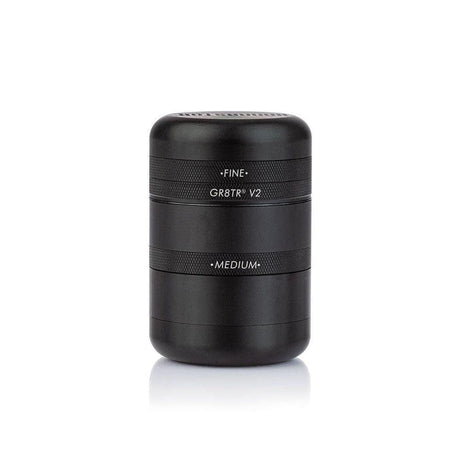
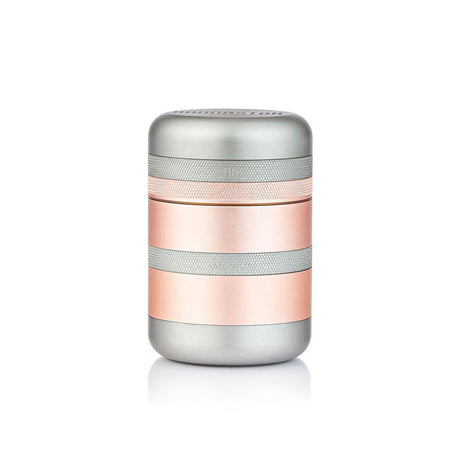
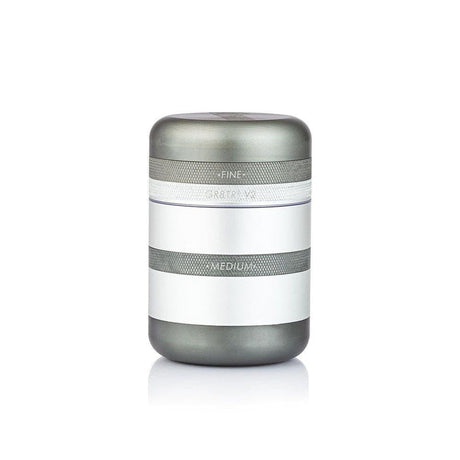
 Kannastör GR8TR Jar Body Grinder 2.2" |
People who want a kief catcher and built-in storage without carrying a separate container | The jar body keeps ground material and kief in one self-contained unit | 2.2" is a compact footprint, smaller batches per grind |
 SLX 4pcs Ceramic Coated 2.4" Non Stick Grinder |
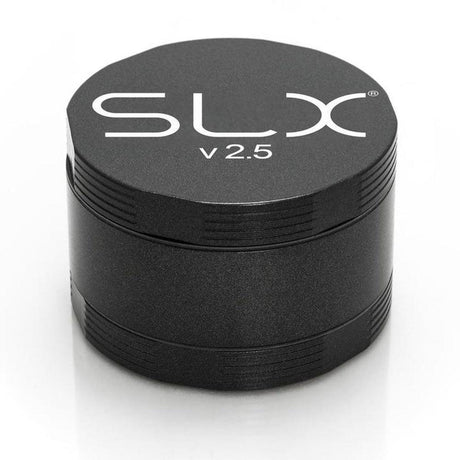
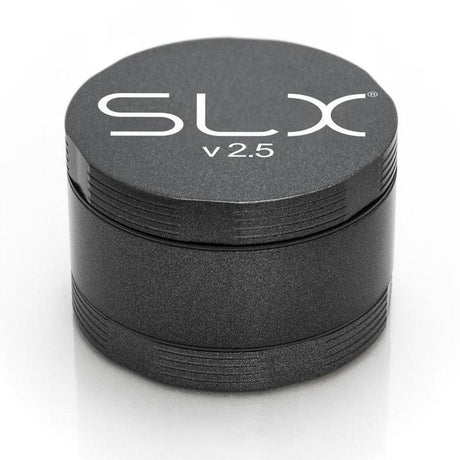
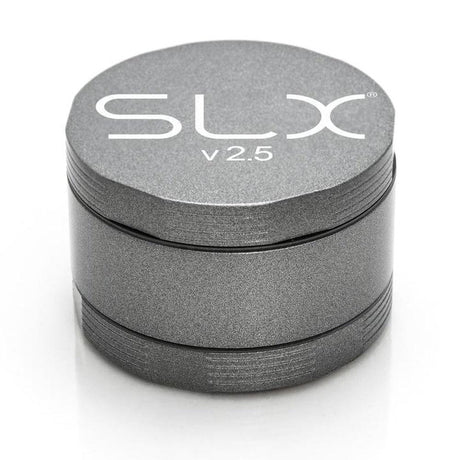
Anyone who's tired of cleaning sticky residue off aluminum walls | Ceramic coating keeps material from binding to the grinding surfaces | Four-piece build means more parts to reassemble each time |
 ONGROK 5pcs Aluminum 3" Flower Petal Toothless Grinder |
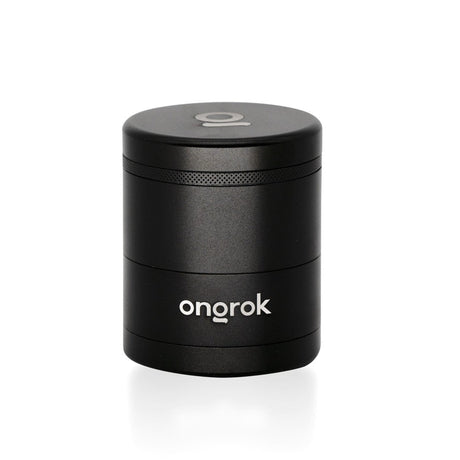
People who want a consistent grind without teeth breaking down over time | Toothless petal design shreds without the wear pattern that dulls toothed grinders | Five pieces means more to clean, and the screen will need occasional clearing |
 V-Syndicate Grinder Card |
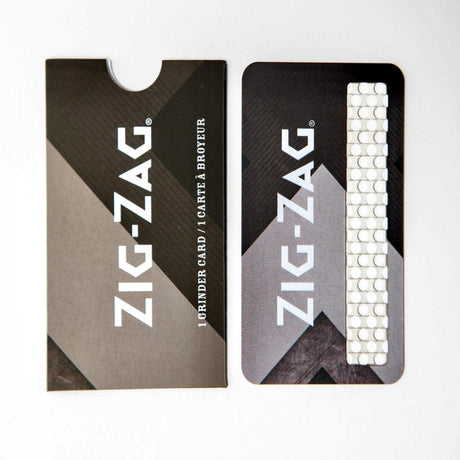
Anyone who needs something flat enough to live in a wallet | Wallet-sized and fits anywhere a card does, nothing to unscrew or reassemble | Grinds less evenly than a cylinder grinder, better for occasional use than daily prep |
If you grind every day, the Kannastör jar body or the SLX are the two to weigh: the Kannastör keeps everything in one contained unit, while the SLX wins if residue buildup is what you're actually trying to avoid. Filling cones regularly? The GET LOST electric loader handles both steps so you're not pinching and packing by hand. The grinder card is its own category entirely, sized for people who don't want to carry anything extra.
What You Actually Need to Know Before Buying a Grinder
Most people pick a grinder based on how it looks, then figure out whether it works for them after the fact. This guide covers the mechanics behind grind quality, material durability, and chamber design so you can make that call before it ships to your door.
Why Tooth Shape Determines How Your Herb Burns
Tooth shape isn't cosmetic. It determines whether your herb gets cut cleanly or torn unevenly, and that affects how consistently it burns. Diamond-shaped teeth are the most common because they're inexpensive to make, but the tips dull over time and start shredding material rather than cutting it. When that happens, your grind comes out inconsistent, with fine dust mixed into larger chunks, and your bowl or joint burns unevenly as a result. Pyramid teeth, like those on the ONGROK 3" Pyramid Teeth Grinder, come to a sharper point than rounded diamond designs and maintain their cutting angle longer before wear becomes noticeable. A toothless petal design, used on the ONGROK Flower Petal Grinder series, works differently altogether: instead of teeth cutting through material, curved petal edges shear it, which removes the wear pattern that dulls toothed grinders over time.
What Grinder Size Actually Affects Beyond Portability
The most common question we get at Smoke & Vape is about diameter, and most people assume bigger just means more capacity. That's part of it, but diameter also affects how much torque you can apply with your grip. A 2.2" grinder like the Kannastör GR8TR Jar Body fits in a pocket easily but gives you less leverage per turn, so dense or dry material takes more wrist effort. A 3" grinder gives your palm more surface to grip, which means less force per rotation and a more consistent grind with less fatigue over a longer session. If you're grinding frequently or in bulk, that difference adds up fast.
How Ceramic Coating Changes the Cleaning Equation
Bare aluminum grinders develop sticky residue on the chamber walls because resin binds to raw metal at a microscopic level. Ceramic coating changes the surface chemistry: the coating is non-porous, so resin doesn't bond to it the way it does to aluminum, and material falls through instead of building up on the walls. The SLX ceramic coated grinder is the clearest example of this in our lineup. Most people don't realize that buildup on grinding surfaces also affects the grind itself, because resin-coated teeth no longer cut as cleanly as bare metal ones. If you hate cleaning your grinder or find yourself iso-soaking it every few weeks, a ceramic-coated option removes most of that maintenance.
What a Jar Body Design Changes About Your Setup
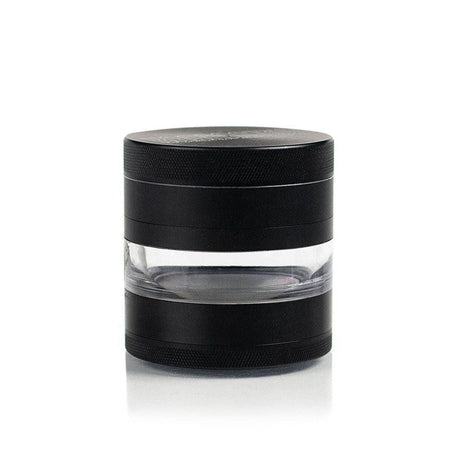
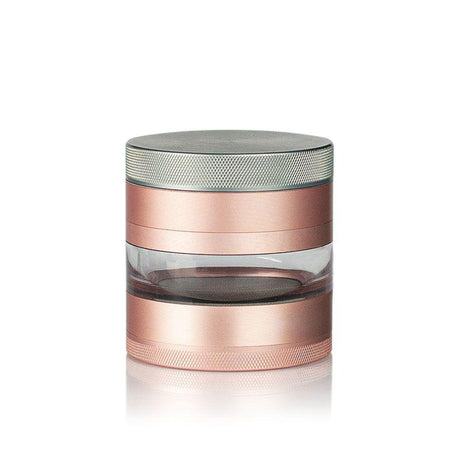
Most multi-piece grinders store ground material in a separate chamber that sits below the screen, and you transfer it to a container or paper from there. A jar body grinder swaps that bottom chamber for a sealed, threaded jar, so ground material and collected kief stay in one contained unit without needing a separate storage jar. The Kannastör GR8TR Jar Body line is built around this, and it's the reason that design suits people who prep in advance rather than grinding right before use. The practical difference is fewer containers to carry and less transfer, which means less material lost to surfaces.
Why Electric Grinders Aren't Just a Convenience Upgrade
Electric grinders are often framed as a lazy option, but the actual reason they exist is consistency and reduced handling. A manual grinder produces a grind that varies based on how hard you turn, how many rotations you do, and how dry the material is. An electric grinder like the GET LOST Electric Portable Grinder applies consistent motor speed throughout, which produces a more uniform grind regardless of technique. They also matter for people with grip strength issues, arthritis, or anyone who fills cones frequently and wants to skip the manual packing step. The tradeoff is battery dependency: the GET LOST model is USB rechargeable, so a dead charge means no grinding until it's back on power.
Frequently Asked Questions
What is a kief catcher and is it worth having one?
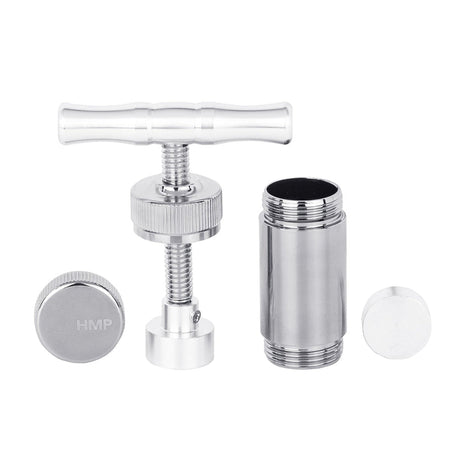
A kief catcher is the bottom chamber in a multi-piece grinder that sits below a fine mesh screen. When you grind your herb, tiny trichome crystals (kief) fall through the screen and collect in that bottom compartment over time. Think of it like loose change in a jar; you don't notice it accumulating day to day, but after a few weeks you've got something worth using. You can sprinkle collected kief on top of a bowl, mix it into a joint, or press it into a puck using a pollen press like the Kannastör 14mm Pollen Press or the HMP Aluminum Pollen Press.
Is it worth it? If you're a regular user, absolutely. You're not losing anything by having one. The kief would otherwise just stay mixed into your ground herb, so a catcher is really just separating out the most potent part for you to use however you want. It's essentially a bonus that builds up passively. The Kannastör GR8TR Jar Body Grinder 2.2" includes a kief catcher as part of its jar body design, so your collected kief stays sealed and contained. The ONGROK 5pcs Aluminum 3" Flower Petal Toothless Grinder and the ONGROK 3" Pyramid Teeth Grinder both have dedicated kief compartments as well, with the five piece design giving you a separate storage section on top of that.
The only real tradeoff is that grinders with kief catchers have more pieces, which means more to unscrew and clean. If you just want to grind and go with minimal fuss, a simpler two or three piece grinder like the ONGROK 2pcs Metal 2" Magnetic Grinder gets the job done without the extra chambers. But for most people who grind regularly, having a kief catcher is one of those features you'll appreciate more over time, not less.
How long does a good grinder typically last before it needs replacing?
A well-made aluminum grinder can last years before you'd have any real reason to replace it. The body itself doesn't wear out; what degrades over time is the sharpness of the teeth, the threading between sections, and the screen if your grinder has one. Cheaper grinders with softer metal or loose tolerances tend to show problems sooner, like cross-threading, teeth that round off, or lids that don't stay aligned.
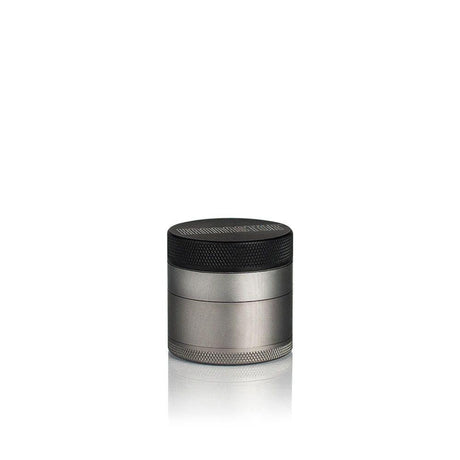
Brands like Kannastör machine their grinders from solid aluminum with precise threading, and those tend to hold up through heavy daily use for a long time. The SLX ceramic coated grinder adds another layer of longevity because the coating reduces resin buildup on the teeth and walls, which means the grinding surfaces stay cleaner and more effective between deep cleans. If you go with a toothless design like the ONGROK Flower Petal Grinder, you're removing the most common wear point entirely, since there are no teeth to dull.
The biggest factor in how long your grinder lasts isn't the grinder itself; it's maintenance. Residue buildup makes threads harder to turn, which leads to people forcing the lid and eventually stripping the threading. A bottle of Green Goddess Metal & Grinder Cleaner and a quick soak every few weeks goes a long way toward keeping everything turning smoothly. If you take basic care of a quality grinder, you're looking at years of use before performance drops off noticeably. The grinder you'll replace soonest is the one you never clean.
What is the difference between aluminum and zinc alloy grinders?
Aluminum and zinc alloy are the two most common grinder materials, and while they look similar on a shelf, they behave differently in your hands. Aluminum is lighter, harder, and more resistant to wear. Most quality grinders use CNC-machined aluminum, which means the teeth, threads, and chambers are cut from a single block of metal rather than cast in a mould. Brands like Kannastör, ONGROK, and SLX all build their grinders from aluminum, and the result is sharper teeth, smoother threading, and a grinder that feels precise when you twist it.
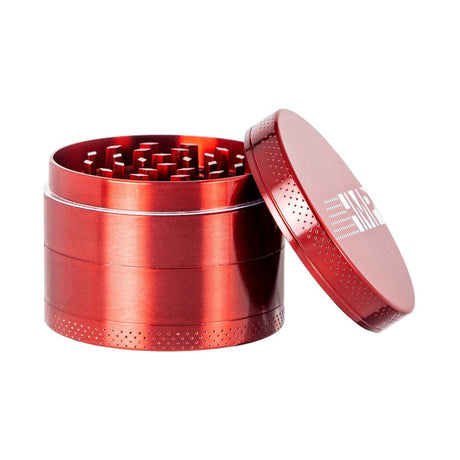
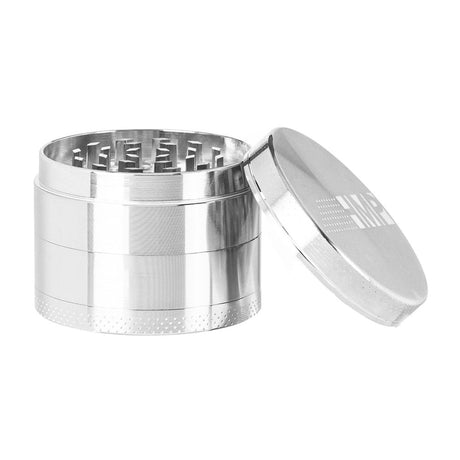
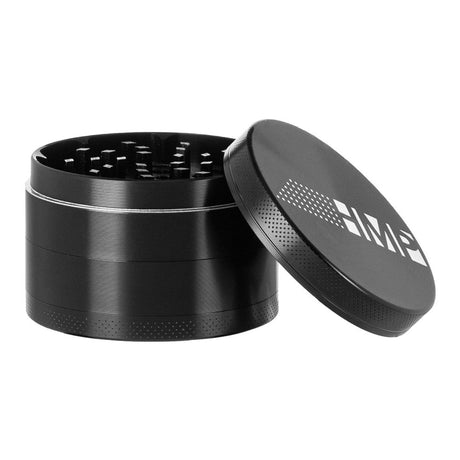
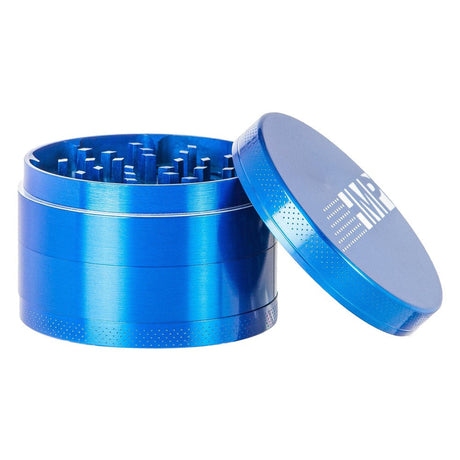
Zinc alloy grinders are heavier and less expensive to produce. They're made by pouring molten metal into a mould, which is faster but produces slightly less precise edges and threads compared to machined aluminum. The HMP 4pcs Metal 2.5" Magnetic Grinder and the HMP 2.2" Magnetic Grinder are examples of zinc alloy builds. They're solid, functional grinders that work well, especially if you're not grinding multiple times a day. The weight can actually feel reassuring in your hand.
The practical tradeoff comes down to long term durability and daily feel. Aluminum grinders tend to maintain sharper teeth longer and resist cross-threading better because the tolerances are finer. Zinc alloy is more prone to developing small metal burrs over time, especially along the teeth, and the threading can loosen with heavy use. For occasional or moderate use, zinc alloy does the job without issue. If you're grinding daily and want something that'll keep its edge and smooth rotation over a longer period, aluminum is the better pick.
Is a grinder with built-in storage worth it compared to carrying a separate container?
It depends on how you use your grinder and where you take it. If you grind at home and transfer everything to a rolling tray right away, built-in storage doesn't add much value. But if you prep herb in advance, carry your grinder with you, or just hate having multiple containers floating around in a bag, built-in storage simplifies things noticeably.
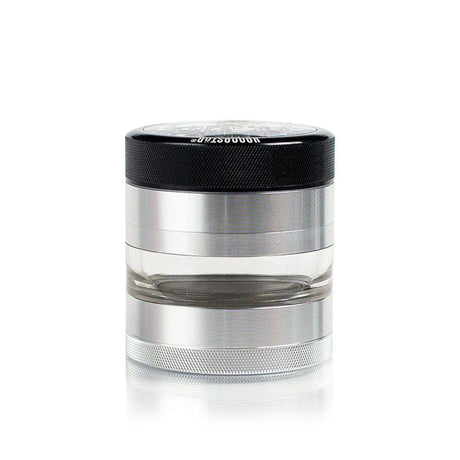
The Kannastör GR8TR Jar Body Grinder is the best example of this done well. The bottom section is a sealed, threaded glass jar that holds your ground herb and collected kief in one unit. You grind, the material drops into the jar, and you cap it. No transferring, no extra containers, no losing material to surfaces along the way. The Kannastör 2.5" Jar Body version gives you a bit more capacity if you want to grind larger batches ahead of time.
The V-Syndicate Smart Stash takes a different approach. It's a storage jar first, with a grinder built into the lid. You grind directly into the jar, and the container itself is designed for humidity control. It's great if storage is your main concern and grinding is secondary. The ONGROK Mini 5 Piece Flower Petal Toothless Grinder also includes an integrated storage chamber as part of its five piece stack, keeping everything compact.
The tradeoff with built-in storage is usually size. A jar body grinder is taller and heavier than a standard flat grinder, and it won't slide into a pocket as easily. If portability matters most, a slim grinder plus a small separate jar might actually be more convenient. But for anyone who wants fewer things to keep track of, a grinder with built-in storage earns its place quickly.
What grinder material is best for daily use?
For daily use, you want something that can handle repeated grinding without the teeth dulling, the threads wearing, or the body collecting residue you can't easily clean. That points to aluminum as the best all-around material for regular sessions. It's lightweight, durable, and holds a machined edge well over time.
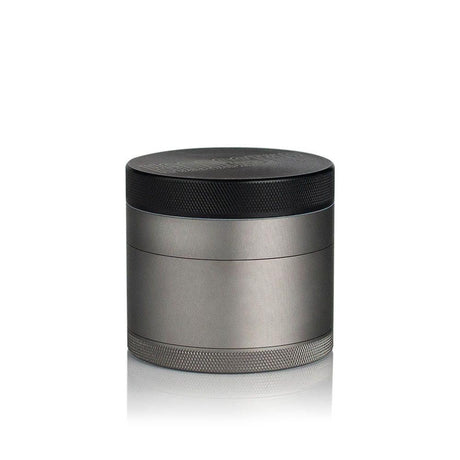
CNC-machined aluminum grinders from Kannastör and ONGROK are built specifically for this kind of use. The Kannastör 4pcs Aluminum 2.5" Solid Body Grinder has precise threading that stays smooth through hundreds of uses, and the ONGROK 4pcs Aluminum 2.6" EZ Grinder offers a slightly wider diameter that makes daily grinding feel effortless. If residue buildup is what annoys you most about daily grinding, the SLX ceramic coated grinder solves that problem directly. The ceramic layer prevents resin from bonding to the metal, so the grind stays consistent longer between cleanings.
Wood grinders like the RYOT 1905 FLY Walnut Grinder or the Kannastör 2.5" Wood GR8TR Jar Body have a beautiful look and feel, but wood absorbs moisture and oils over time, which can affect how the lid turns with heavy daily use. They're better suited for moderate use or as a statement piece on your shelf. Zinc alloy grinders from HMP are solid for the occasional session but can show wear faster under daily load compared to machined aluminum.
If you're grinding every single day, go with aluminum. If cleaning is your least favourite chore, go with ceramic coated aluminum. Everything else works fine for lighter, less frequent use.
How many pieces should a grinder have?
The number of pieces in a grinder determines what it can do beyond just grinding. A two piece grinder, like the ONGROK 2pcs Metal 2" Magnetic Grinder, is just a lid and a base with teeth on both sides. You grind, open it up, and scoop out your herb. It's the simplest setup, easy to use, easy to clean, and easy to carry. The tradeoff is that everything stays in one chamber, so there's no separation between coarse and fine material.
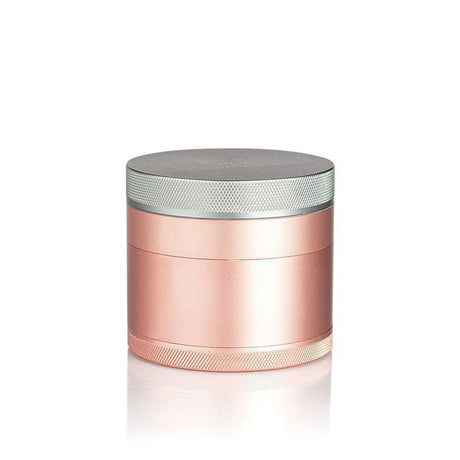
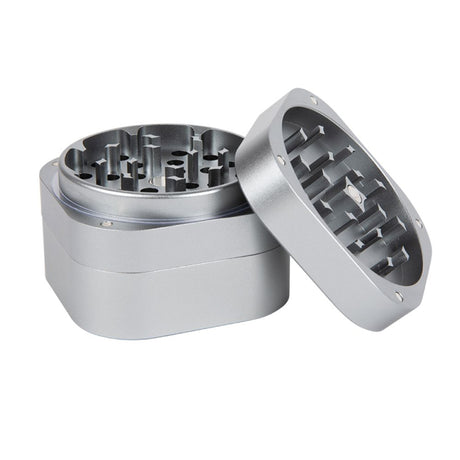
A three piece grinder adds holes in the bottom of the grinding chamber so ground herb falls through into a collection area below. The Kannastör 3pcs Aluminum 2.2" GR8TR Solid Body Grinder works this way. You still don't get a kief catcher, but you get a cleaner separation between the grinding action and the finished product. A four piece grinder adds a mesh screen and a bottom kief chamber below that. The ONGROK 4pcs Aluminum 2.6" EZ Grinder and the HMP 4pcs Metal 2.5" Magnetic Grinder both follow this layout, and it's the most popular configuration for good reason; you get ground herb in one section and slowly accumulating kief in another.
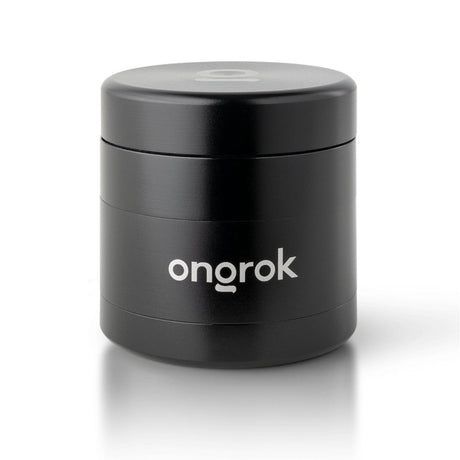
Five piece grinders, like the ONGROK 5pcs Aluminum 3" Flower Petal Toothless Grinder, add an extra storage section, giving you a place to keep pre-ground herb separate from what just came through the teeth. The downside is more pieces to unscrew and reassemble every time, and more parts that need cleaning.
For most people, four pieces hits the sweet spot. You get a kief catcher without the setup feeling overly complicated. If you want maximum simplicity, go two piece. If you want built-in storage on top of everything else, five pieces makes sense.
Is a magnetic lid actually important on a grinder?
Yes, and here's why. A magnetic lid keeps the top and bottom halves of the grinding chamber aligned and sealed while you're turning. Without a magnet, the lid can wobble, shift, or pop off mid-grind, especially if the herb is dense and you're applying more force. That's not just annoying; it means material can escape or your grind comes out uneven because the teeth aren't meeting properly.
Almost every quality grinder uses magnets now. The SLX ceramic coated grinder, the ONGROK EZ Grinder line, and the Kannastör GR8TR series all use magnetic closures to keep the lid seated during use. The ONGROK 2pcs Metal 3" Magnetic Grinder has a particularly strong magnetic hold, which matters on a two piece design where there's no threading to keep things together. Even the HMP 2pcs Wood Magnetic Grinder uses a magnet to keep its halves from separating in a bag or pocket.
The magnetic hold also matters for transport. If your grinder is in a backpack or jacket pocket, a magnetic lid keeps it from opening and spilling ground herb everywhere. Grinders without magnets rely entirely on friction fit or threading, and friction fit lids loosen over time as the surfaces wear.
The short answer: a magnetic lid isn't a luxury feature. It's a practical one that affects how well your grinder performs during use and how securely it stays closed when you're not using it. Pretty much every grinder worth buying includes one at this point, and for good reason.
How do grinder screens wear out over time?
The screen in a multi-piece grinder is a fine mesh that sits between the herb chamber and the kief catcher. Over time, two things happen: the mesh holes get clogged with resin and plant matter, and the screen itself can develop small tears or warping from repeated handling.
Clogging is the more common issue. As resin builds up on the mesh, fewer trichomes pass through, and your kief collection slows to almost nothing. You might think your herb just isn't producing kief anymore, but really the screen is just blocked. A stiff brush helps; the Kief Sweeper Brush & Grinder actually comes with a built-in brush designed for exactly this. Soaking the screen in isopropyl alcohol or using Green Goddess Metal & Grinder Cleaner can dissolve the buildup and restore airflow through the mesh. Regular brushing after each session prevents the worst of it.
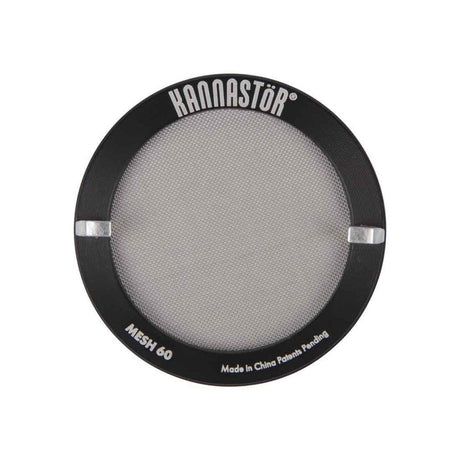
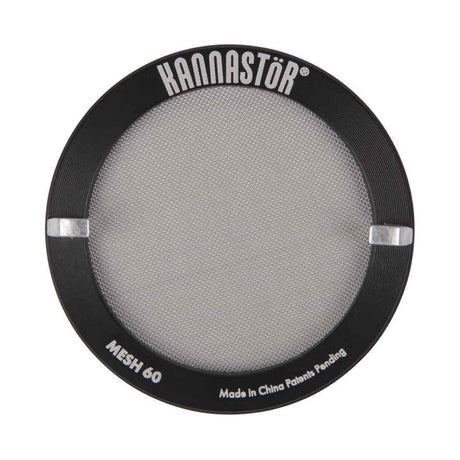
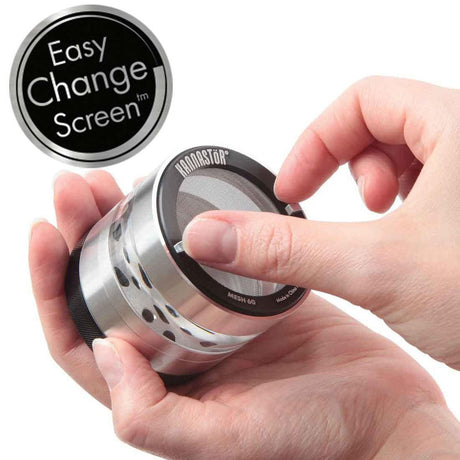
Physical damage usually happens when people poke at a clogged screen with something sharp or try to force material through. Once the mesh tears or stretches, it won't filter properly anymore, and larger particles drop into your kief chamber, reducing its purity. The good news is that screens are replaceable on many grinders. Kannastör sells the Grinder Screen in 60 Mesh Stainless Steel for both their 2.2" and 2.5" models, so you can swap in a fresh one instead of replacing the whole grinder.
If you clean your screen regularly, it should last a long time before needing replacement. Treat it gently, brush it often, and soak it when brushing alone stops working. That's really all it takes.
Do smaller grinders grind just as well as larger ones?
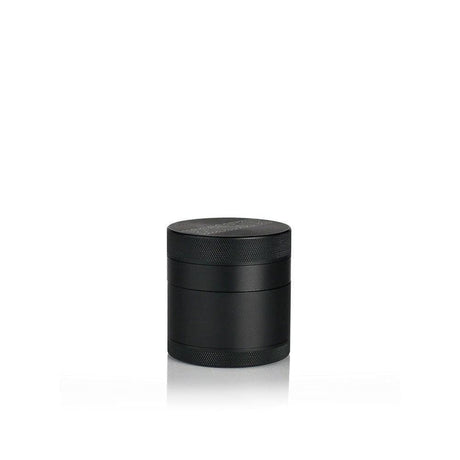
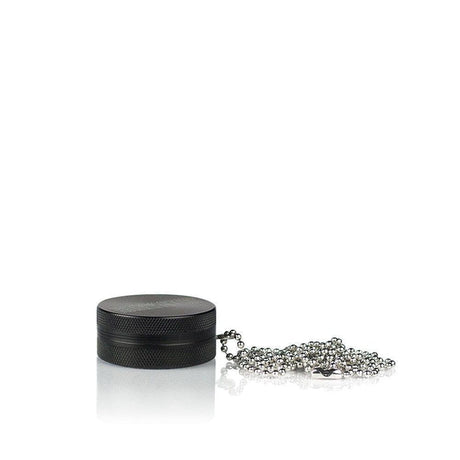
They can, but there are real differences in how they feel to use and what they're practical for. A smaller grinder like the Kannastör 4pcs Aluminum 1.5" Solid Body Grinder or the Kannastör 1.25" Pendant Grinder will grind herb just fine; the teeth still cut, and the material still falls through. But you're working with a much smaller chamber, which means you can only grind a small amount at a time, and the reduced diameter gives you less leverage per twist.
For a single bowl or a small joint, a compact grinder is perfectly adequate. The Ongrok Mini EZ Grinder at 55mm is a good middle ground; it's portable but still wide enough that you're not struggling with every turn. If you're grinding for a group session, filling multiple cones, or prepping for the week, you'll find yourself reloading a small grinder over and over, and that gets tedious. A 3" grinder like the ONGROK 3" Pyramid Teeth Grinder handles larger loads in a single batch and gives your hand more surface area to grip.
The other factor is grind consistency. With a very small chamber, herb can get pushed around rather than cut cleanly, especially if you overload it. Larger grinders give the material more room to move between the teeth, which generally produces a more even result. So the answer is yes, smaller grinders work, but they work best for small, single-use amounts. If you need more capacity or grind frequently, sizing up makes daily use noticeably easier.
Are electric grinders worth it for regular use?
For certain people, absolutely. Electric grinders solve two specific problems: inconsistent grind quality from manual technique, and the physical effort of twisting a grinder repeatedly. If either of those bothers you, an electric model is worth considering.
The GET LOST Electric Portable Grinder & Cone Loader is built for people who roll cones regularly. It grinds and loads in one step, so you're not transferring material by hand. That alone saves time and reduces mess if you're filling multiple cones in a sitting. The GET LOST Galactic Electric Grinder is a simpler electric option that focuses on the grind itself, with a USB-C charging port and a companion jar for storage. For something more compact, the GET LOST Earth Shaker Electric Herb Grinder & Dispenser combines grinding and dispensing into one portable unit.
The tradeoff with any electric grinder is battery life. If your grinder dies mid-session, you're stuck until it charges. Manual grinders never have that problem. Electric models also tend to produce a more uniform, often finer grind, which is great for vaporizers and cones but may not be ideal if you prefer a coarser texture for hand pipes or bongs.
For someone who grinds once or twice a day and doesn't mind the wrist work, a good manual grinder like the Kannastör GR8TR Jar Body Grinder 2.2" or the SLX 4pcs Ceramic Coated 2.4" Non Stick Grinder will serve you just as well. But if you have mobility issues, grind in larger quantities, or fill cones as part of your routine, an electric grinder can genuinely change how your sessions feel. It's not about being lazy; it's about whether the tool fits how you actually use it.