Zig-Zag | Rolling Papers | Rolling Trays
About this collection
Roll Like a Legend: Shop Classic Zig-Zag Rolling Papers!
Ready to roll with a true classic? Zig-Zag rolling papers are an iconic choice, trusted by smokers for generations! Instantly recognizable by their packaging, these papers are renowned for their slow, even burn and use of natural gum arabic for a reliable seal. Choose from various styles like the original Kutcorners, Organic Hemp, or Unbleached options in popular sizes. Experience the consistent quality that has made Zig-Zag a staple worldwide. And remember, we offer free shipping everywhere in Canada on orders over $49! Find your favourite Zig-Zag papers and enjoy a legendary roll every time.
-
-
-
-
-
-
-
-
-
-
-
-
-
-
-
-
-
-
-
-
-
 50% off
Zig-Zag
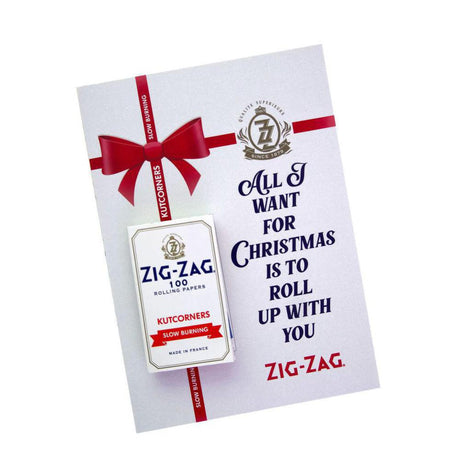
Zig-Zag x Kush Kards - All I Want for Christmas
Sale price $650 CAD Regular price $1299Unit price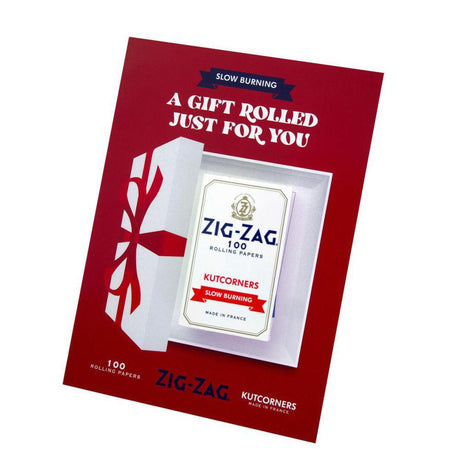 50% off
Zig-Zag
Zig-Zag x Kush Kards - Gift Rolled Just For You
Sale price $650 CAD Regular price $1299Unit price-
 Sold out50% off
Zig-Zag
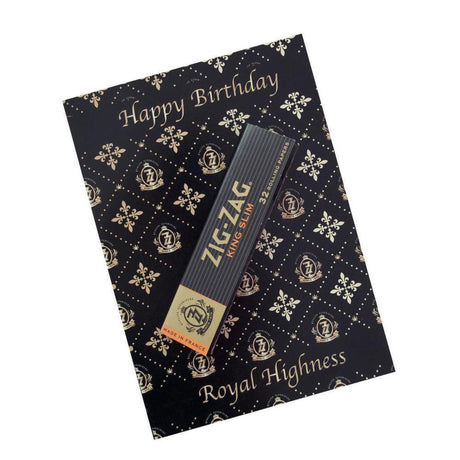
Zig-Zag x Kush Kards - Happy Birthday Your Royal Highness
Sale price $650 CAD Regular price $1299Unit price
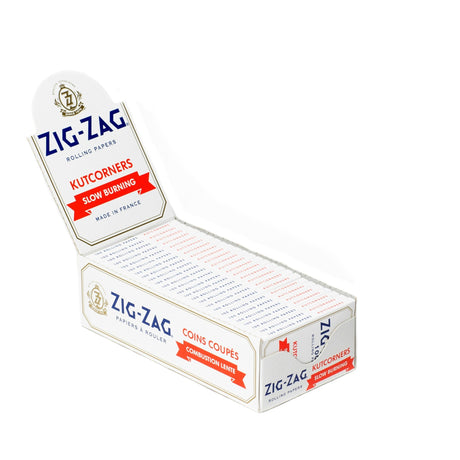
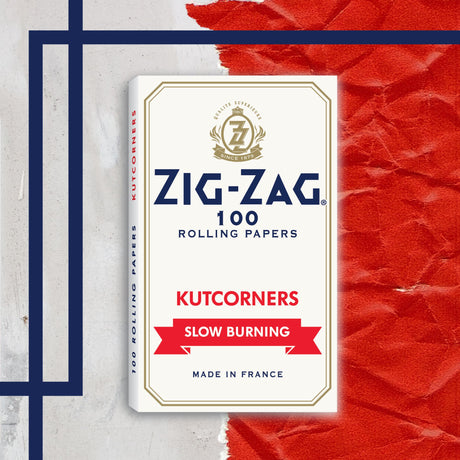
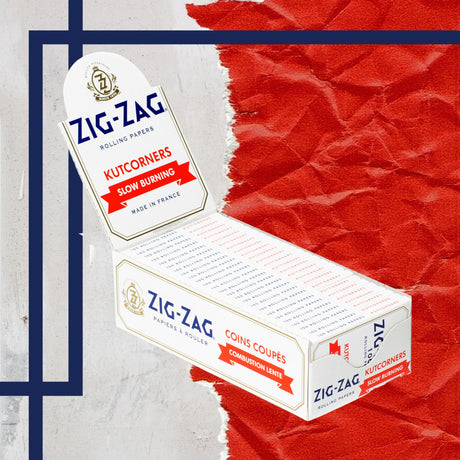


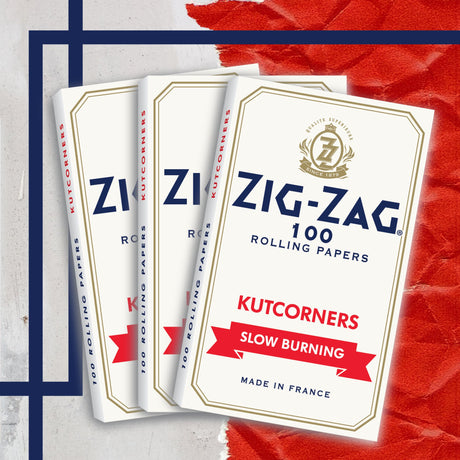
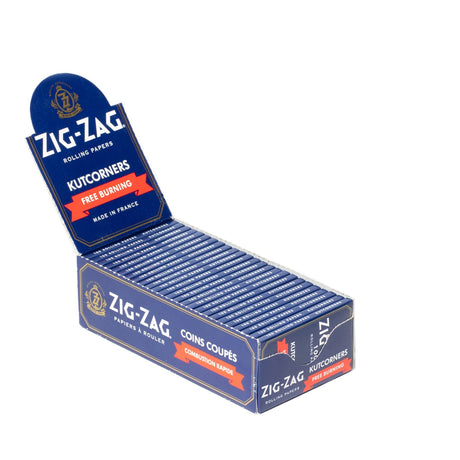
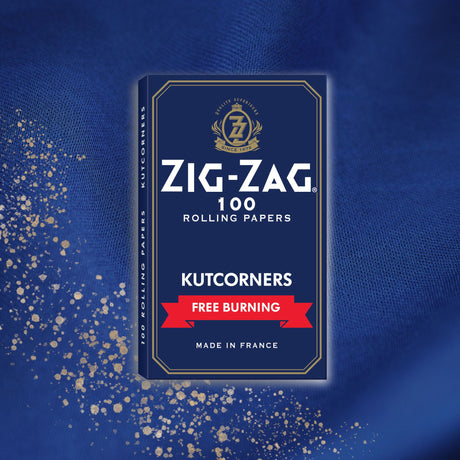
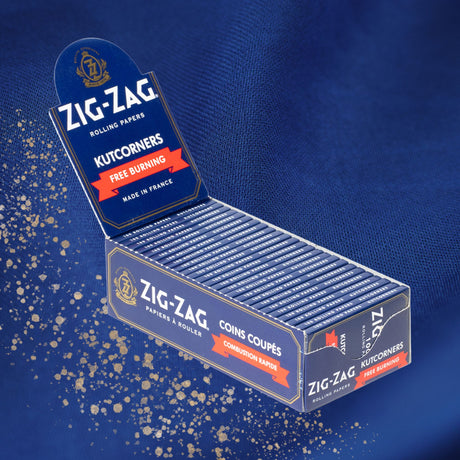


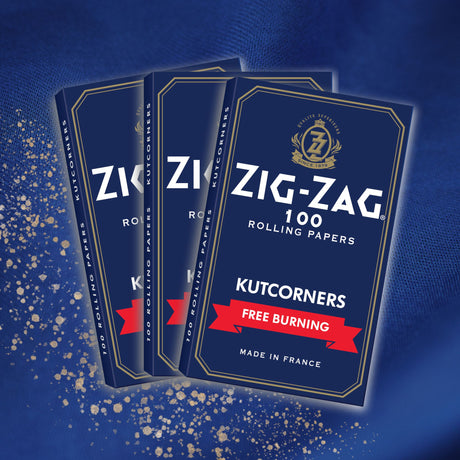
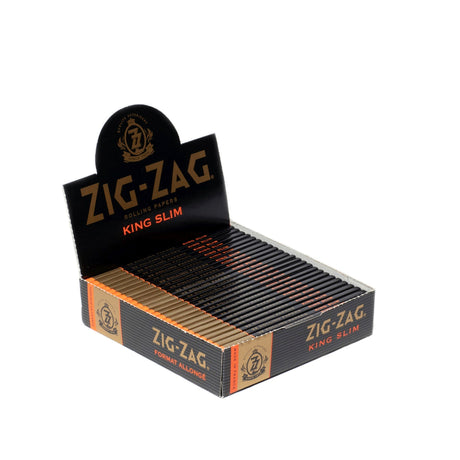
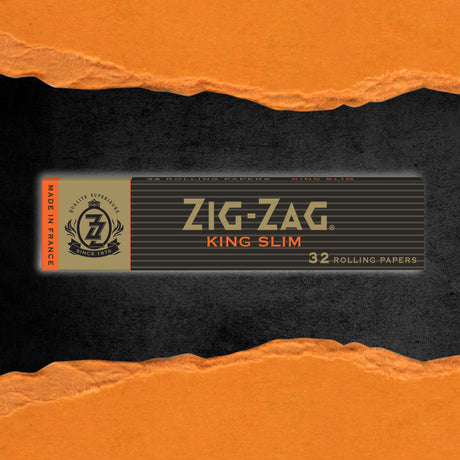
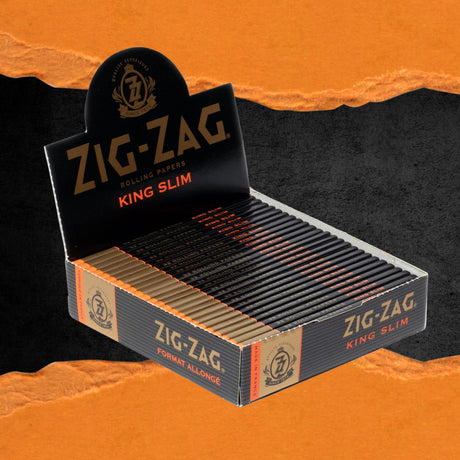


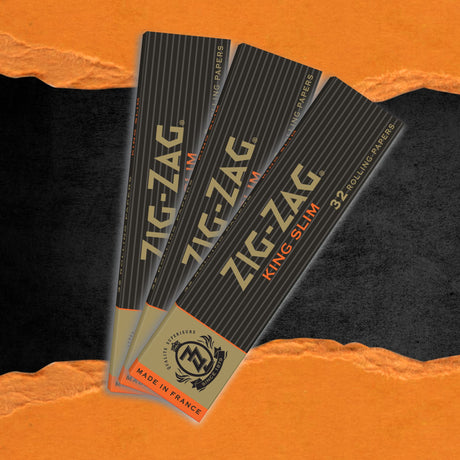
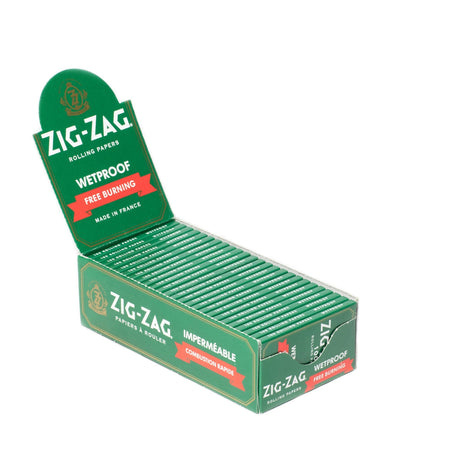
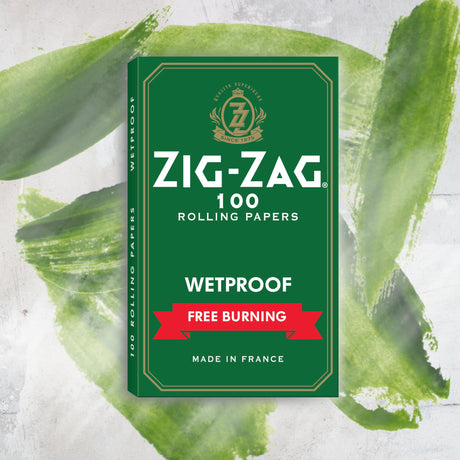
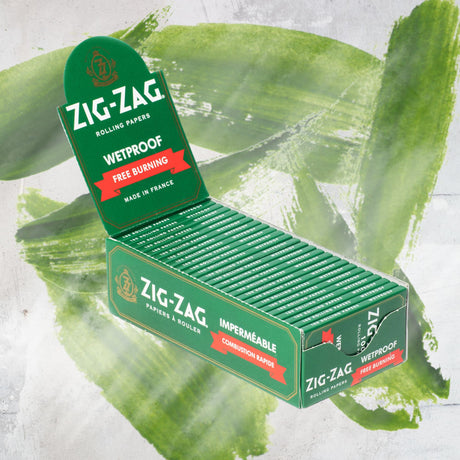


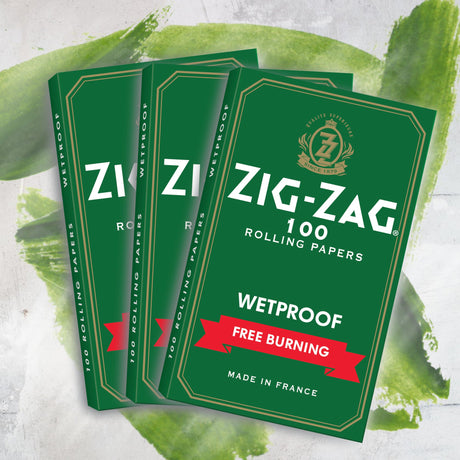
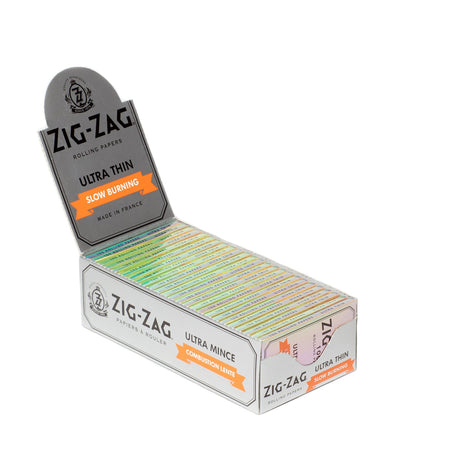
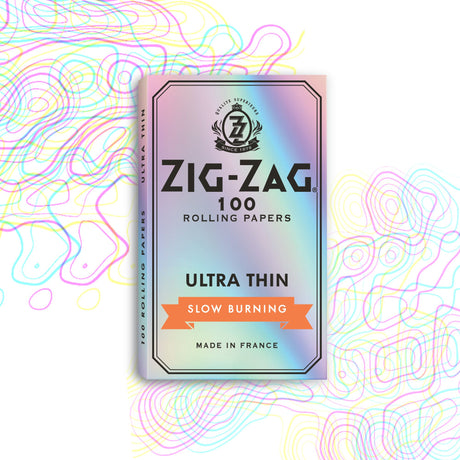
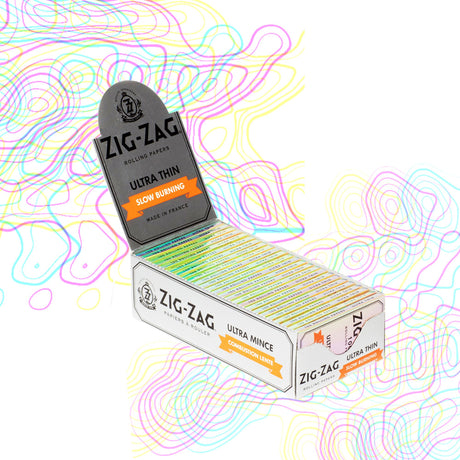


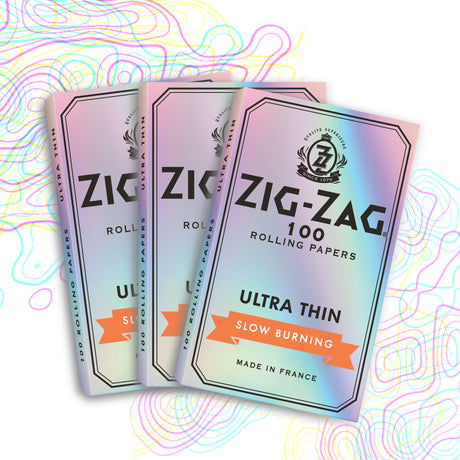
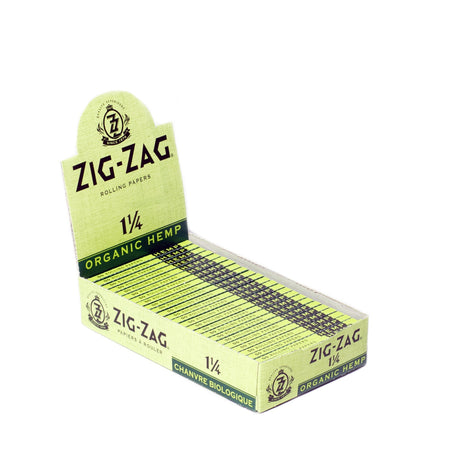


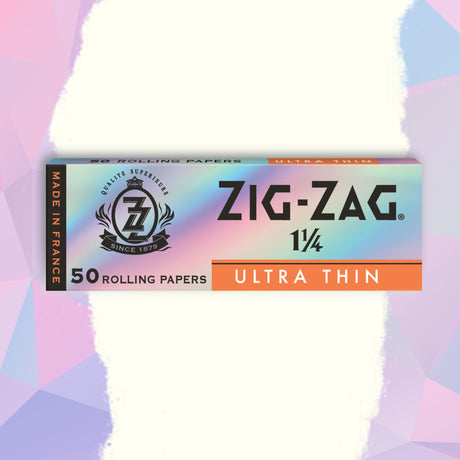


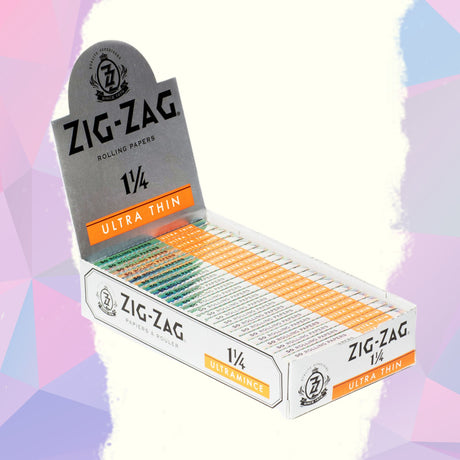
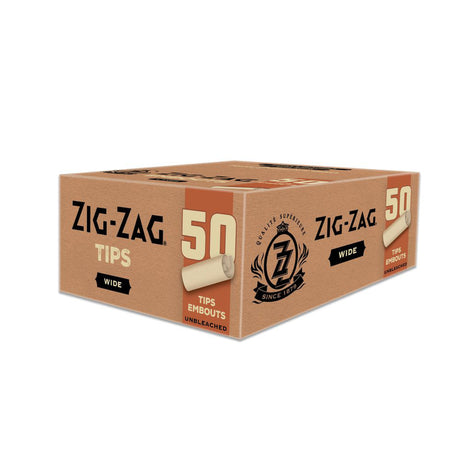


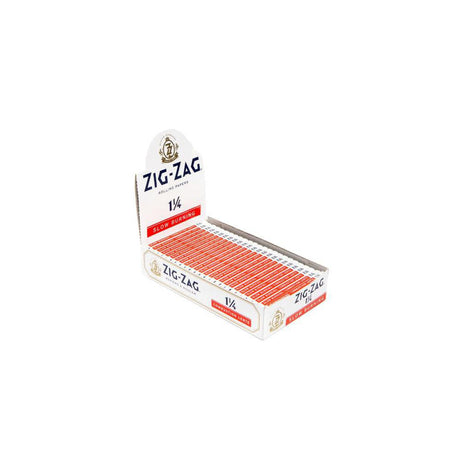
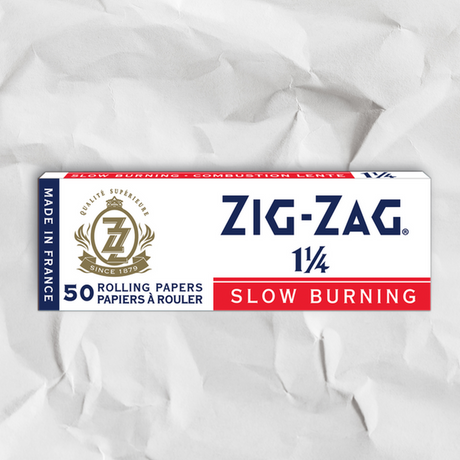
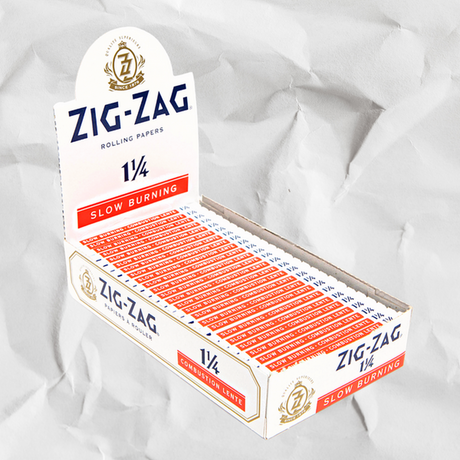
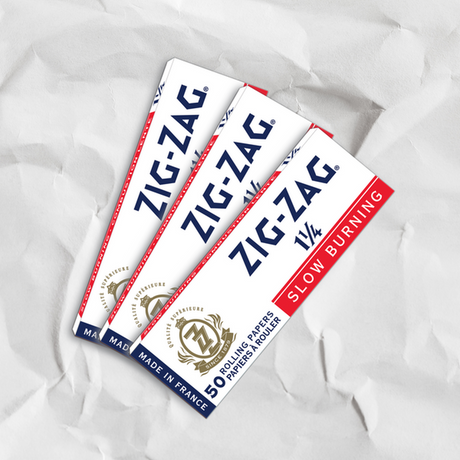
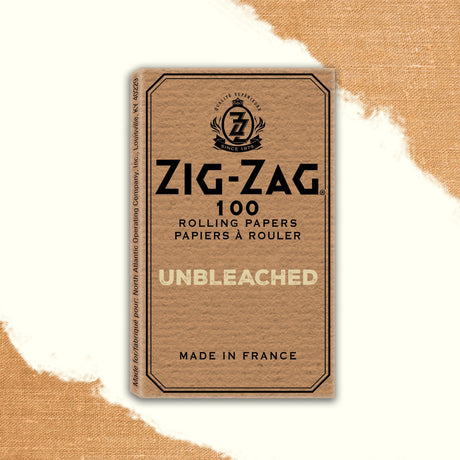
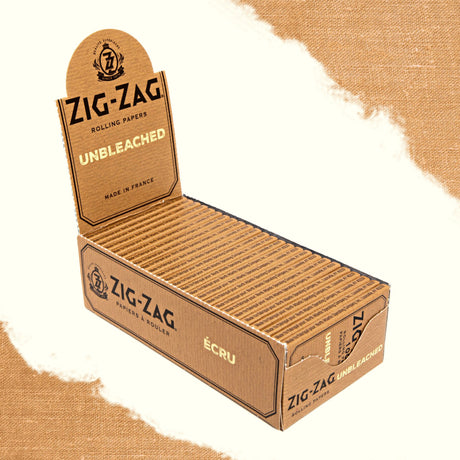
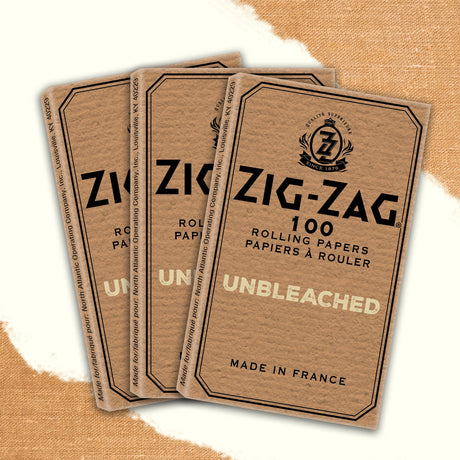
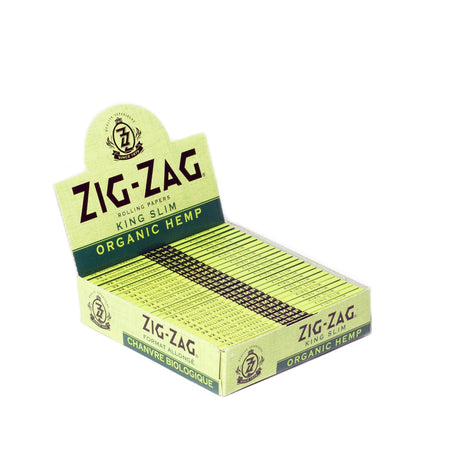
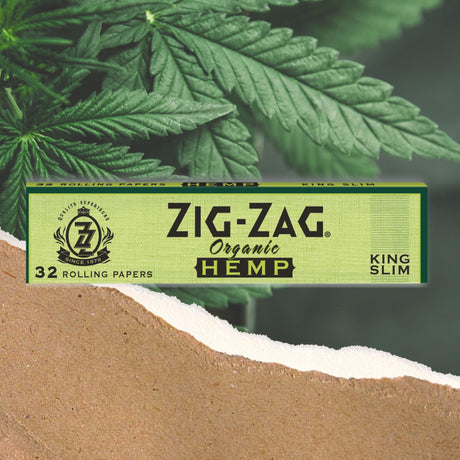
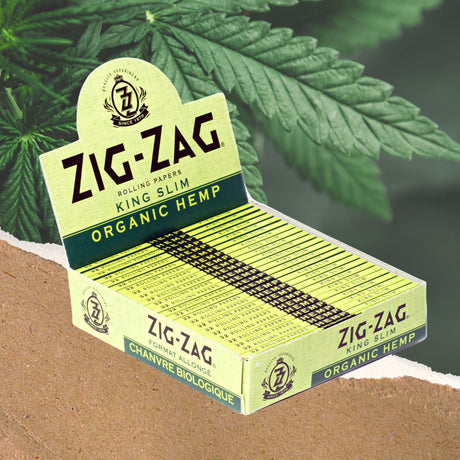




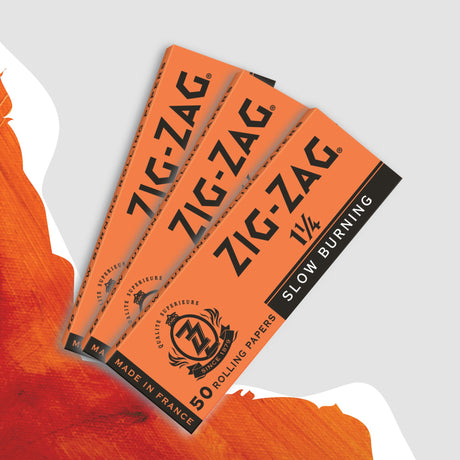


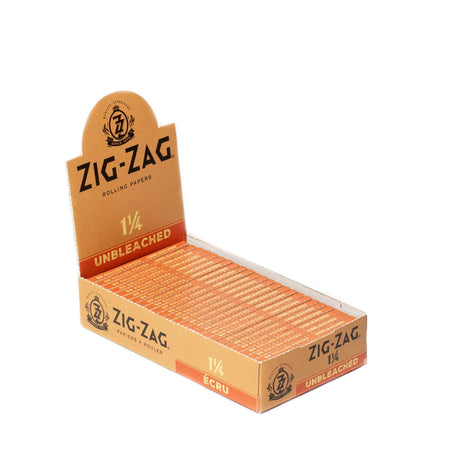
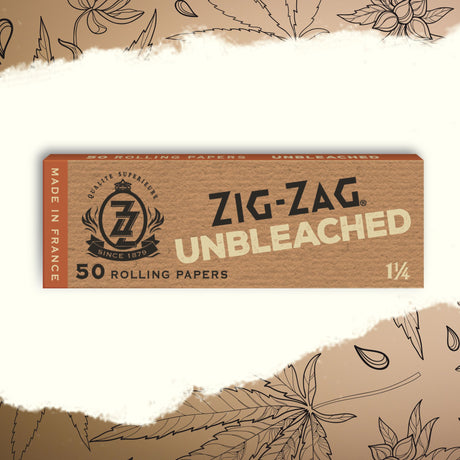


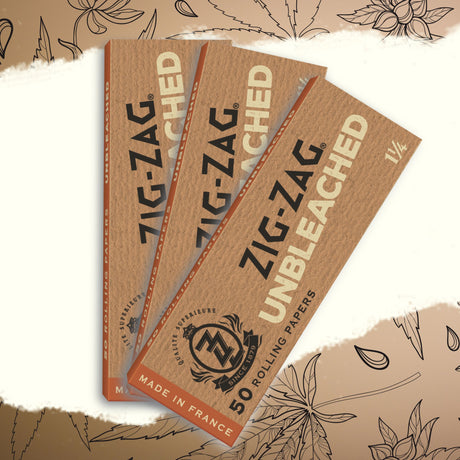
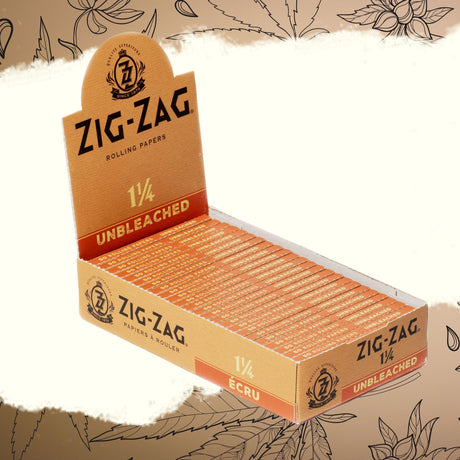
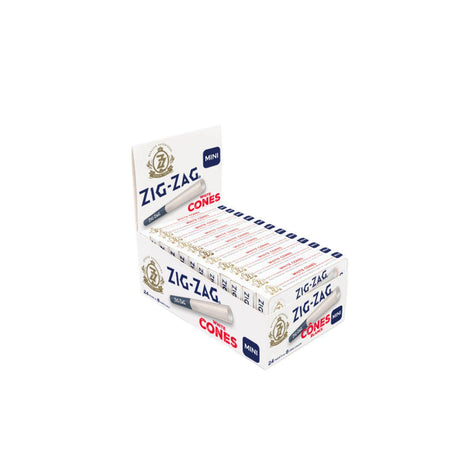
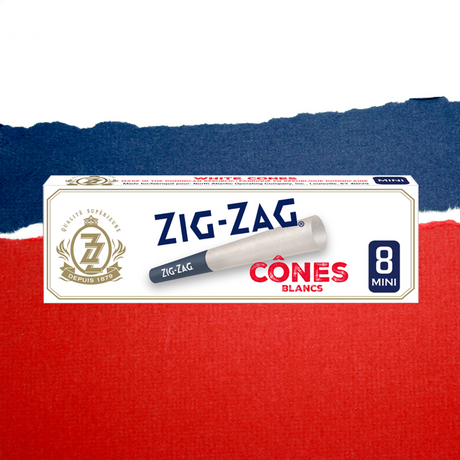
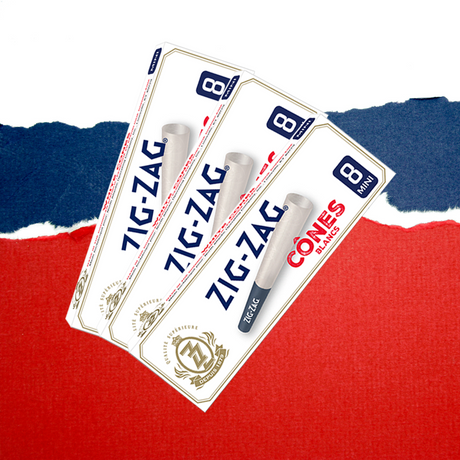
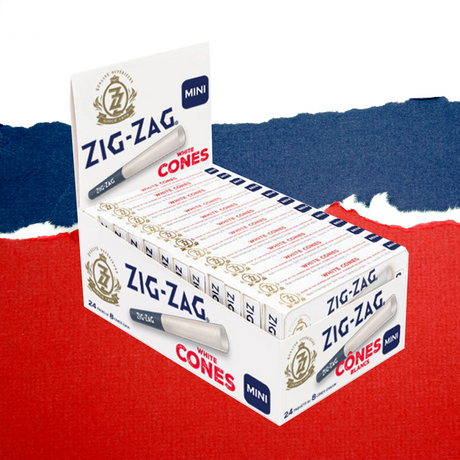

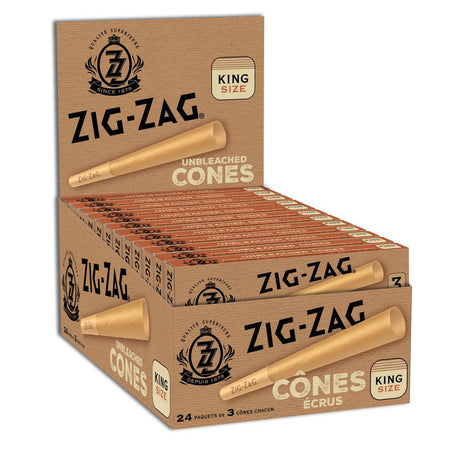
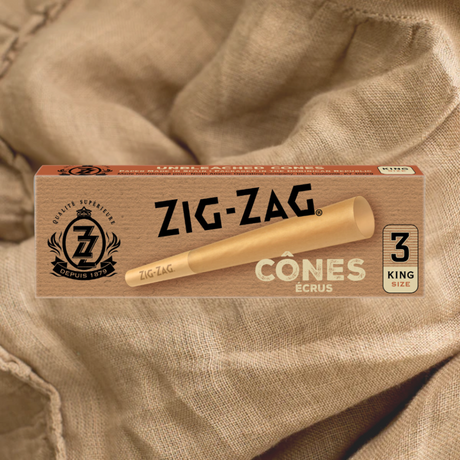
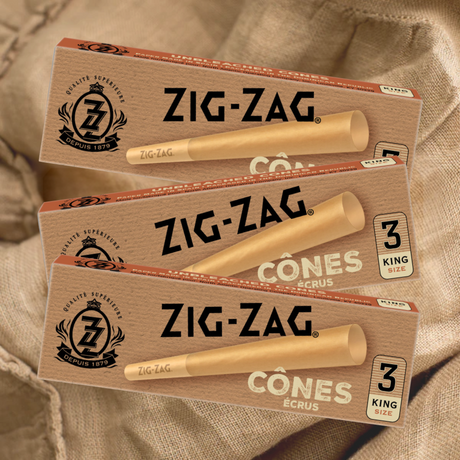
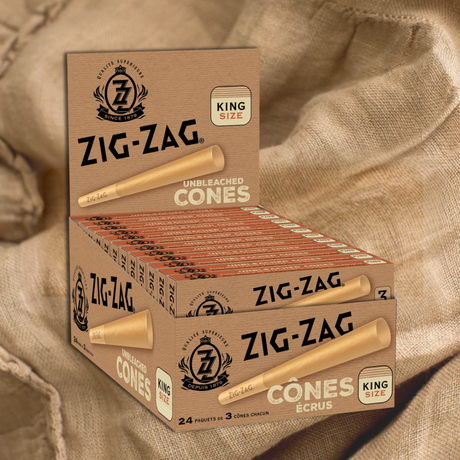


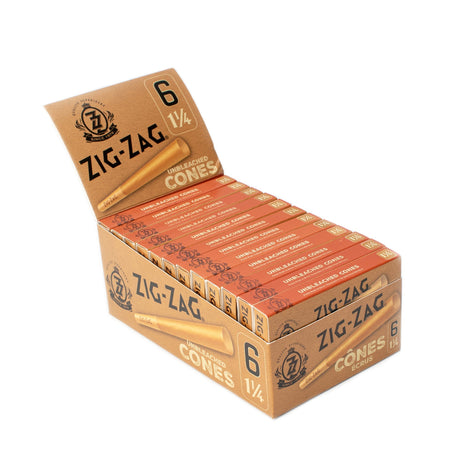
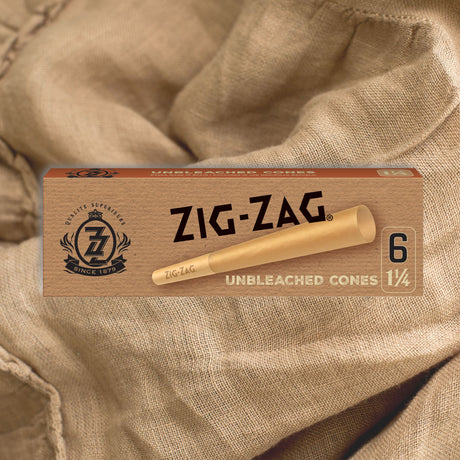


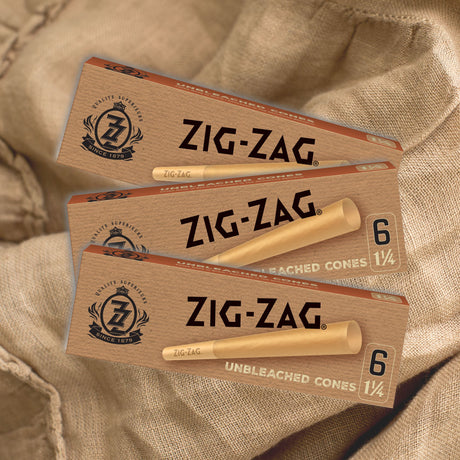
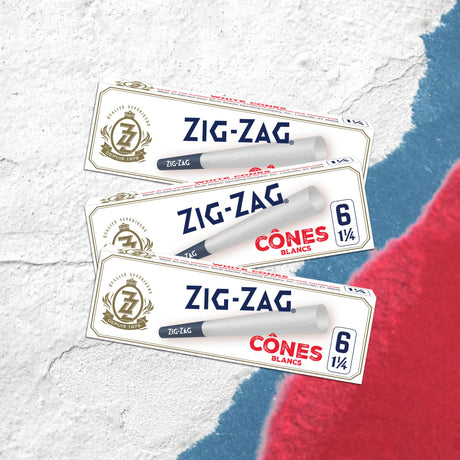
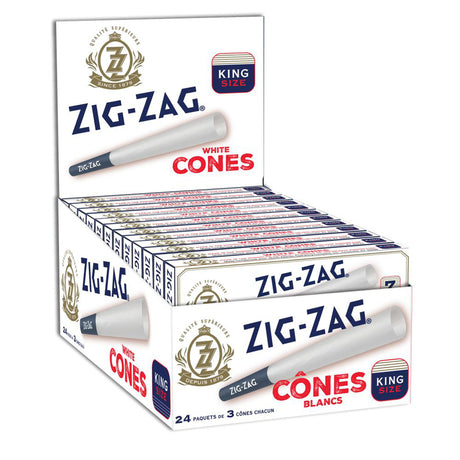
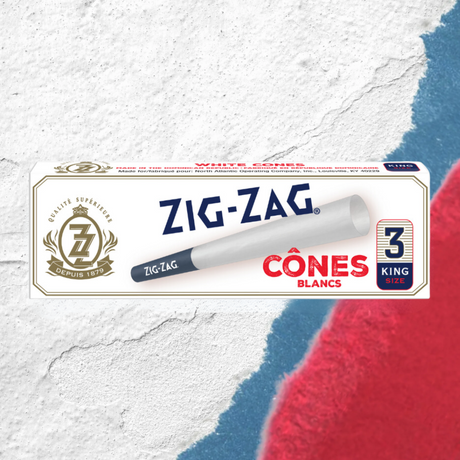
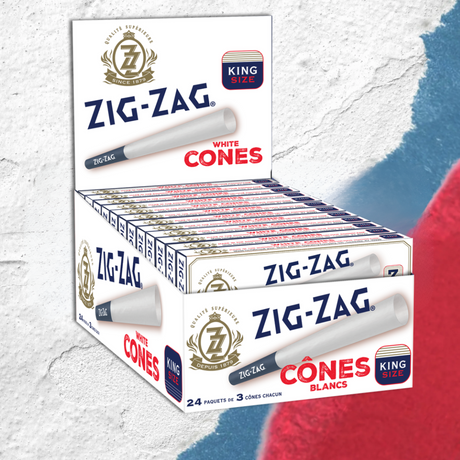
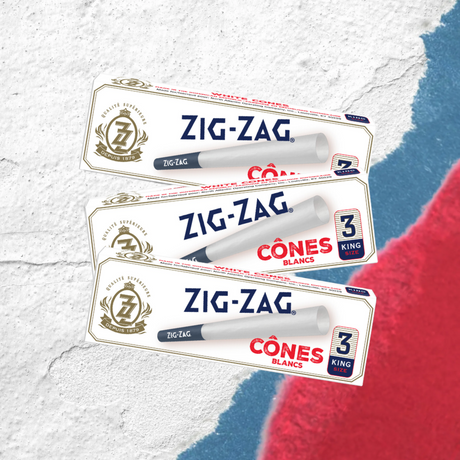

SIZING UP ZIG-ZAG ROLLING PAPERS IS THE ONLY REAL DECISION YOU NEED TO MAKE
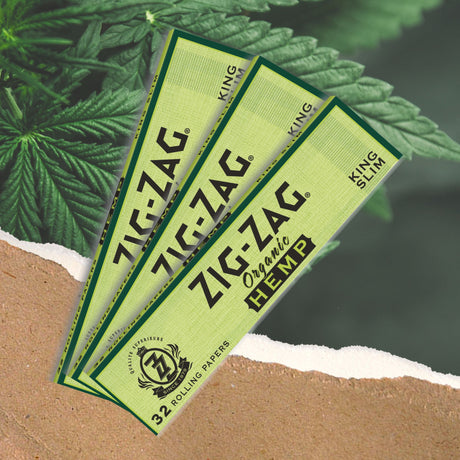
Zig-Zag has been around long enough that the brand itself isn't the question anymore, the paper is. What actually matters when you're picking from this lineup is size and material, because those two choices change how your roll feels in your hand and how long it burns. Single wide papers keep things compact and traditional, while 1 1/4 and king slim sizes give you more room to work with if you roll heavy or just prefer a longer joint. On the material side, Smoke & Vape carries both the classic flax fiber options and the organic hemp versions, and the difference comes down to how much the paper itself factors into your smoke. Natural gum arabic across the whole lineup means the seal is consistent regardless of which style you land on.
| Product | Best For | Why We'd Recommend It | One Thing to Know |
|---|---|---|---|
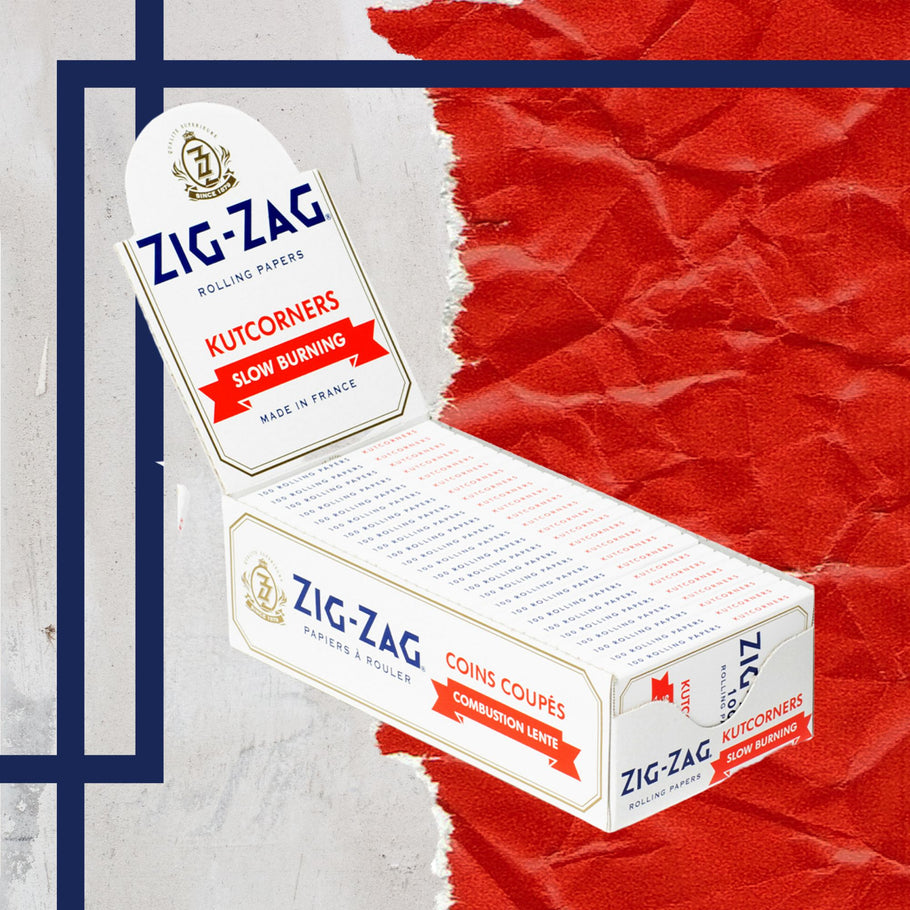 Single Wide White Kutcorners Rolling Paper |
Someone who's still learning to roll and wants cut corners that line up fast | The Kutcorners shape gives you a head start on tucking the paper, so you're not fighting a straight edge every time. | It's a single wide, so the finished roll is smaller and shorter than a 1 1/4 or king slim. |
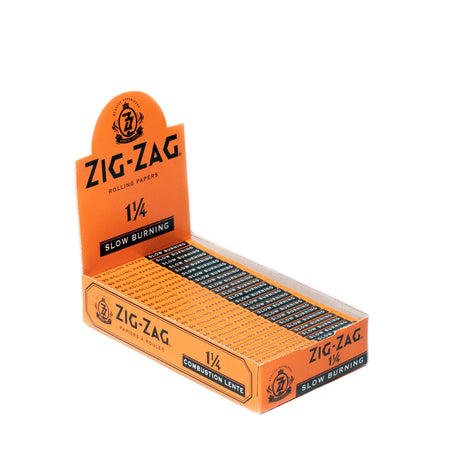
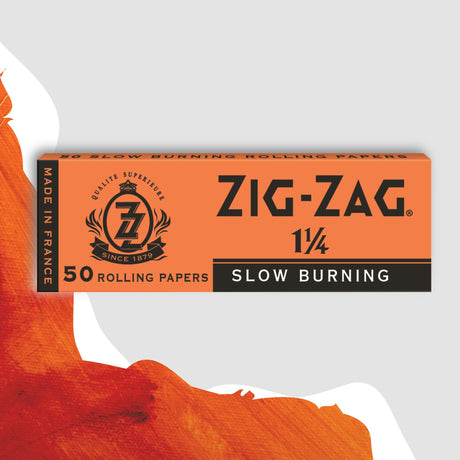
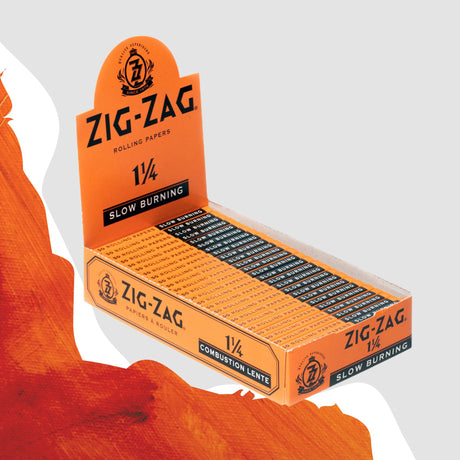
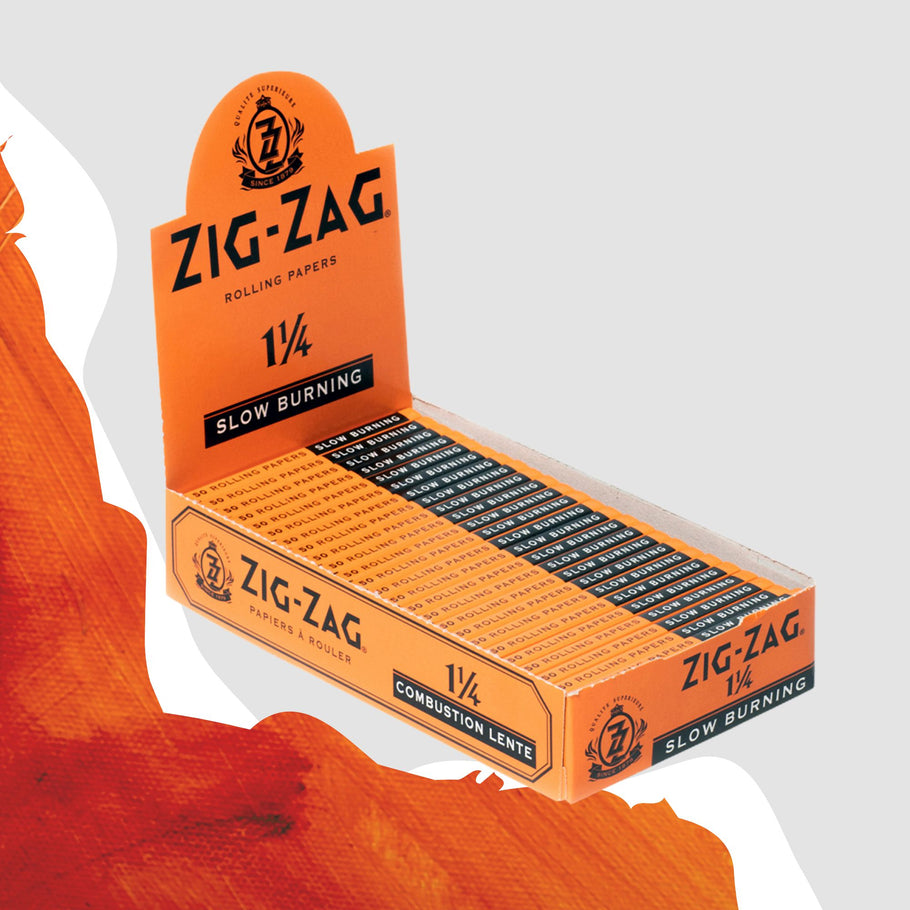 1 1/4 Orange Rolling Paper |
Someone who wants a roomier paper in standard weight with a forgiving roll | Natural flax fibers at a standard thickness give you enough body to handle without the paper tearing or bunching. | Standard weight means you'll taste more paper than an ultra-thin version in the same size. |
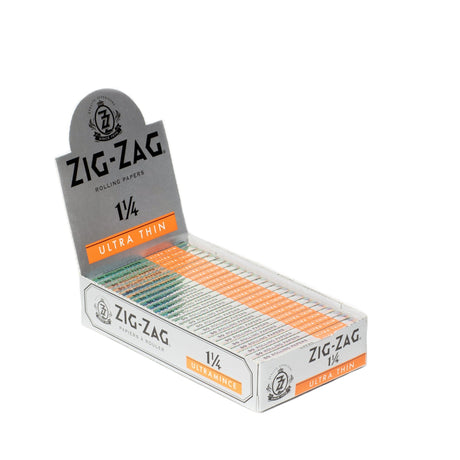
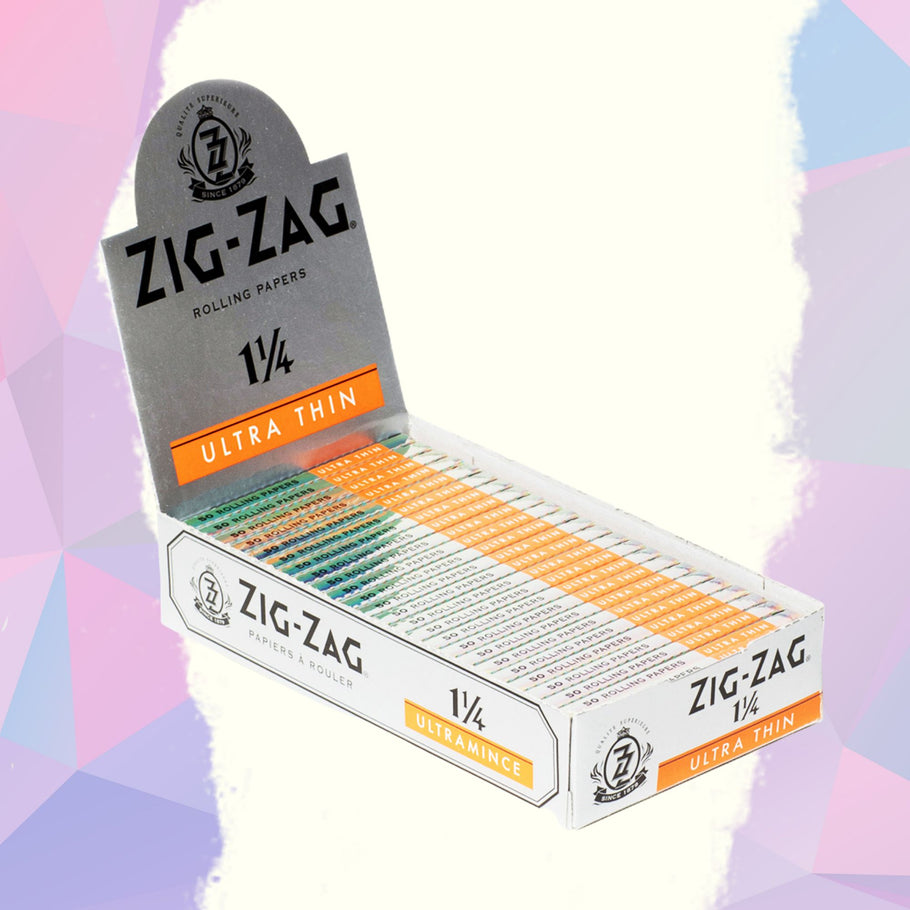 1 1/4 Ultra Thin Rolling Paper |
Someone who wants the 1 1/4 size but doesn't want the paper competing with what's inside | The translucent sheet burns slow and stays out of the way, letting the herb do the talking. | Thinner paper is less forgiving if your tuck isn't consistent, so it rewards a bit of rolling experience. |
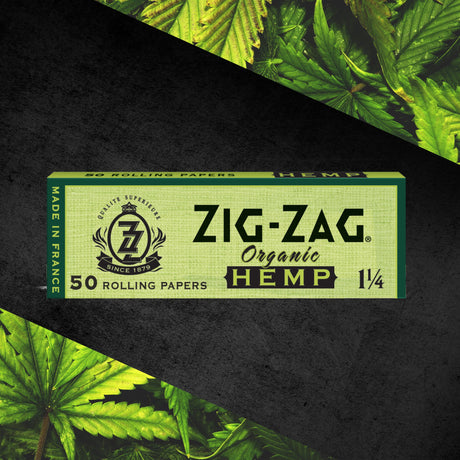
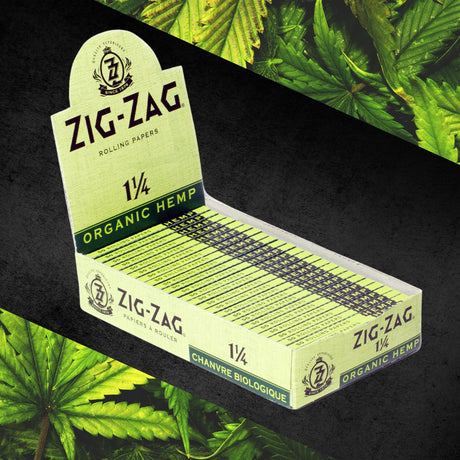
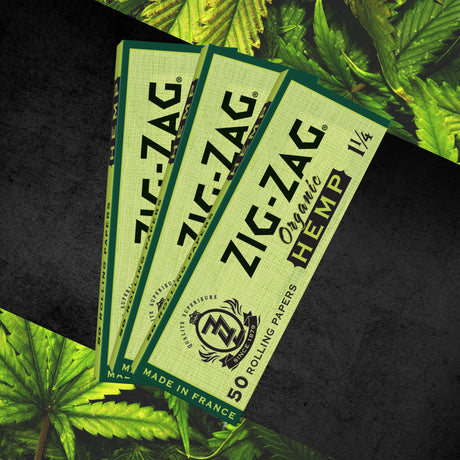
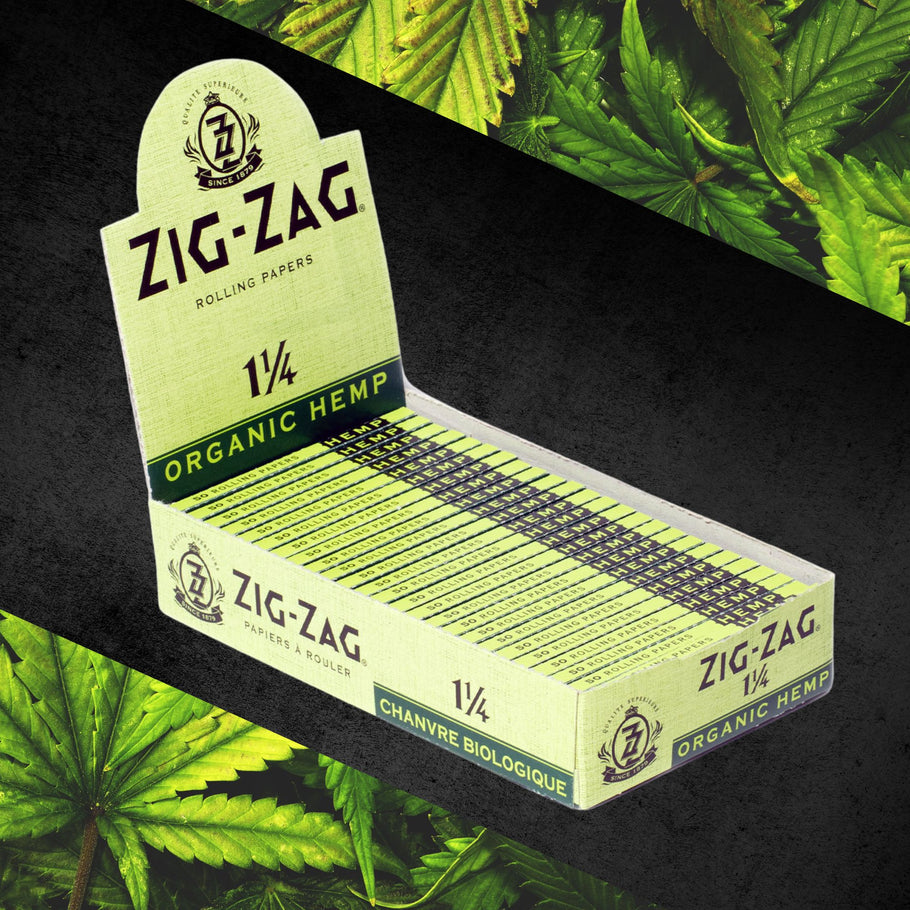 1 1/4 Hemp Rolling Paper |
Someone who'd rather smoke hemp fiber than flax and wants a non-GMO, organic option | Pure hemp fibers burn at a natural pace and don't introduce the same taste profile as flax-based papers. | Hemp papers have a slightly different texture than flax, which can feel unfamiliar if you've only rolled with traditional Zig-Zags. |
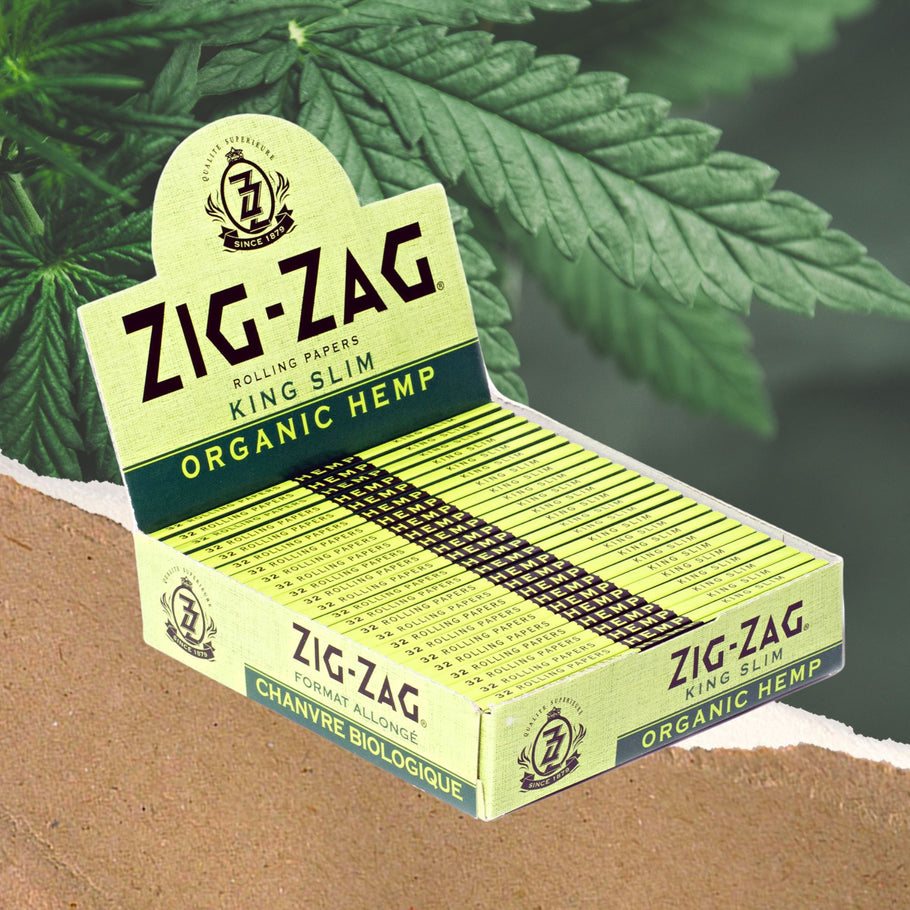 King Slim Hemp Rolling Paper |
Someone rolling for a group (or just likes a longer joint) and prefers organic hemp | The king slim length gives you the most surface area in the lineup, paired with the clean burn of non-GMO hemp fiber. | Longer papers use more herb to fill properly, so solo sessions can feel wasteful if you don't pack them full. |
Start with size: if you roll for yourself, 1 1/4 handles that without excess paper, and if you're rolling for two or more, king slim gives you the length. From there it's material. Flax papers like the Orange have a familiar feel that most rollers already know, while the hemp options burn a bit differently and skip the flax altogether. If you've already got your technique down and want the paper to disappear, grab the 1 1/4 Ultra Thin.
What Zig-Zag Rolling Papers Actually Teach You About Paper Weight, Fiber, and Size
Paper weight and fiber source aren't marketing details. They change how a roll handles, how it burns, and how much you notice the paper itself during a smoke. This guide explains what those differences mean in practice so you can pick the right option without guessing.
Why Paper Weight Changes How Forgiving a Roll Is
Thicker paper has more structural body, which means it holds its shape while you're tucking and rolling. That's useful if your technique isn't locked in yet, because the paper doesn't collapse or crease as easily when you're working it. Ultra-thin papers, like the Single Wide Ultra Thin or the 1 1/4 Ultra Thin Rolling Paper, are made from natural flax fibers processed to a much lighter weight, and that thinness reduces the paper's contribution to the smoke but also makes the sheet more sensitive to uneven tension during the roll. A sloppy tuck on a standard-weight paper might still seal fine; the same tuck on an ultra-thin sheet can cause a tear or a run. Rollers who switch to thin papers for the first time often blame the paper when the real issue is that their technique worked on heavier stock and just hasn't been refined enough yet.
How Flax and Hemp Fiber Burn Differently
Flax and hemp are both plant-based fibers, but they don't behave identically once lit. Flax fiber, which you'll find in Zig-Zag's Orange and Green papers, produces a slightly denser sheet that many rollers describe as having a familiar, neutral burn. Hemp fiber, used in the Organic Hemp lineup, is processed from a different plant structure and tends to burn at a pace that some people find slightly slower and with a subtly different taste profile. The difference isn't dramatic, but it's consistent enough that rollers who smoke frequently will notice it. Switching from flax to hemp for the first time can feel like the paper is slightly coarser in texture, even when the weight is similar, because the fiber itself has a different surface character.
What Gum Arabic Actually Does to Your Seal
Gum arabic is the adhesive strip along the edge of a rolling paper, and it's worth understanding what it does mechanically. It's a water-soluble natural resin, which means it activates with moisture from your tongue and bonds to the paper surface as it dries. The seal isn't instant; there's a brief window where the gum is still setting, and if you stretch or twist the paper during that window, the bond can break. Zig-Zag uses natural gum arabic across the entire lineup, which means the sealing behavior is consistent regardless of which size or material you're rolling with. Rollers who've had papers come undone mid-smoke are usually either not applying enough moisture or rolling and lighting too fast before the gum has set.
Why the Kutcorners Shape Solves a Specific Rolling Problem
The Kutcorners design cuts the two top corners of the paper at an angle rather than leaving them square. That sounds minor, but the corners are where most beginners lose control of a roll. Square corners have more surface area to manage during the tuck, and they tend to fold or bunch when you're trying to roll them under. The angled cut reduces that material at the exact spot where the paper is hardest to guide, so the tuck starts more cleanly. It doesn't change the finished size or burn of the joint, just the process of getting there. At Smoke & Vape, we point newer rollers toward the Single Wide White Kutcorners Rolling Paper specifically because the shape gives them a mechanical advantage while their hands are still learning the motion.
How Paper Size Affects Fill Weight, Not Just Joint Length
A common assumption is that bigger papers just make longer joints. They do, but the width increase matters as much as the length. A 1 1/4 Orange Rolling Paper is wider than a single wide, which means you can fit more herb across the width of the roll before you even account for the extra length. King Slim Hemp Rolling Paper extend that length further while keeping a narrower width than a standard king, so the roll stays relatively lean even when it's long. Where rollers run into problems is underfilling a larger paper, because a loosely packed 1 1/4 or king slim will have dead air space in the roll, causing the cherry to travel unevenly and the joint to canoe. The paper size you choose should match how much you're actually rolling, not just how long you want the finished product to look.
Frequently Asked Questions
Are Zig-Zag papers good for beginners who are still learning to roll?
Yes, and one specific option stands out if you're just getting started. The Single Wide White Kutcorners Rolling Paper has angled corners that reduce the amount of paper you need to manage at the edges during the tuck. That's the step where beginners usually struggle, because square corners tend to bunch or fold when you're trying to roll them under. The Kutcorners shape removes material from exactly the spots that cause the most trouble, giving your fingers less to fight with while you're building muscle memory.
Beyond the Kutcorners, standard weight papers in general are more forgiving than ultra-thin options. Something like the 1 1/4 Orange Rolling Paper has enough body in the sheet that it holds its shape while you're working it. It won't collapse if your grip shifts or crease if your tension is uneven. Ultra-thin papers reward precision, and if you don't have that yet, you'll end up tearing sheets and getting frustrated before you've had a chance to learn. There's nothing wrong with graduating to thinner papers later once your hands know what they're doing.
Size matters here too. Single wide papers are smaller and easier to control, but they also give you less room for error when distributing your herb. A 1 1/4 is a bit more forgiving in terms of space, so you're not trying to pack everything into a narrow channel. If you're practising, grab a standard weight paper in whichever size feels comfortable in your hands, roll a few, and don't worry about perfection. The technique comes with repetition, and Zig-Zag's natural gum arabic seals consistently enough that even a slightly rough roll will hold together once the adhesive sets.
What's the difference between regular rolling papers and "slow burn" papers?
The term "slow burn" describes how quickly the paper itself combusts once lit, and the difference comes down to fiber density, paper weight, and how the sheet is processed. A paper that burns slowly keeps pace with the herb inside the roll rather than racing ahead of it. When the paper burns faster than the contents, you get uneven combustion, wasted herb, and that frustrating canoe effect where one side of the joint burns down while the other barely catches.
Zig-Zag papers across the lineup are designed for a slow, even burn, but the mechanism varies by product. The flax fiber papers, like the Single Wide White Kutcorners Rolling Paper or the 1 1/4 Orange Rolling Paper, achieve their burn rate through the natural density of the flax sheet and how it's processed. The ultra-thin options, like the 1 1/4 Ultra Thin Rolling Paper, burn slowly for a different reason: there's simply less material to combust, so the paper contributes almost nothing to the burn rate and lets the herb dictate the pace instead. Hemp papers, like the King Slim Hemp Rolling Paper, rely on the natural combustion properties of hemp fiber, which tends to smoulder steadily rather than flare.
In practical terms, you're not choosing between "slow burn" and "fast burn" within the Zig-Zag range. You're choosing between different approaches to achieving the same goal. The real enemy of an even burn is usually technique, not the paper. A loosely packed joint with air gaps will canoe regardless of what paper it's wrapped in, because the cherry follows the path of least resistance. Pair a well packed roll with any of these papers and the burn will track evenly from end to end.
How can I tell if a rolling paper will change the taste of what I'm smoking?
Paper weight is the single biggest factor. The thicker the paper, the more fiber is combusting alongside your herb, and that combustion has its own flavour. It's subtle, but once you notice it, you can't un-notice it. A standard weight paper like the 1 1/4 Orange Rolling Paper has a familiar, slightly warm taste that longtime Zig-Zag smokers associate with the brand. It's not unpleasant, but it is present. Switch to the 1 1/4 Ultra Thin Rolling Paper and that background flavour drops noticeably because there's far less paper burning at any given moment.
The fiber source plays a role too. Flax and hemp don't taste identical when they combust. Flax fiber papers produce what most rollers describe as a neutral, clean burn with minimal interference. Hemp fiber, like what's in the 1 1/4 Hemp Rolling Paper, has a slightly earthier character. Neither one is better or worse; it's a preference. Rollers who want the herb's terpene profile to come through as clearly as possible tend to gravitate toward ultra-thin flax papers, while rollers who enjoy a fuller, more rounded smoke often prefer hemp.
The simplest test is to light a paper by itself, with nothing rolled inside, and taste the smoke. You'll immediately understand what that specific paper adds to the experience. Do it with a standard weight flax paper and then an ultra-thin, and the difference becomes obvious. That baseline helps you decide how much paper flavour you're comfortable with, and from there the choice gets a lot easier.
What does "unbleached" mean on rolling papers?
Unbleached means the paper hasn't been processed with whitening agents after manufacturing. When plant fibers like flax or hemp are turned into rolling paper, the raw sheet comes out in a natural tan or light brown colour. To make a white paper, manufacturers run the sheet through an additional processing step that lightens the colour. Unbleached papers skip that step entirely, so what you see is the natural colour of the fiber after it's been pressed into a sheet.
The practical appeal of unbleached papers is that there's one fewer chemical process between the raw material and the finished product. For smokers who want to minimize what's in their rolling paper beyond the plant fiber and gum arabic, unbleached options remove a variable. Zig-Zag's Single Wide Green Rolling Paper is a good example of this approach, using natural flax fibers and keeping the paper closer to its original state.
Does skipping the bleaching step change how the paper smokes? Honestly, the difference is minimal in terms of burn quality. An unbleached paper and a bleached paper made from the same fiber at the same weight will perform very similarly once lit. The distinction is more about what you're comfortable putting in your smoke. If the idea of inhaling combusted whitening agents bothers you, even in trace amounts, unbleached papers give you peace of mind. If you've been smoking white papers for years and enjoy them, there's no urgent reason to switch. It's a personal preference rooted in how much processing you want between the plant and your lungs.
Are white rolling papers bleached with chlorine?
This is one of the most common concerns people have, and the short answer for Zig-Zag's white papers is no, they don't use chlorine bleaching. The paper industry largely moved away from elemental chlorine bleaching decades ago due to environmental and health concerns. Modern white rolling papers, including Zig-Zag's white options like the Single Wide White Kutcorners Rolling Paper, typically use alternative whitening methods that don't involve chlorine gas.
The confusion comes from the fact that "bleached" is a broad term. There are several ways to whiten paper fibers, and they aren't all equivalent. Chlorine bleaching, which produces harmful byproducts like dioxins, is the one that rightfully earned a bad reputation. Other methods use oxygen-based processes or non-chlorine compounds that achieve the white colour without those same byproducts. When you see a white Zig-Zag paper, you're looking at a sheet that's been lightened through a process designed to be safe for a product that's going to be combusted and inhaled.
That said, if avoiding any whitening process altogether is important to you, the solution is straightforward: pick an unbleached or hemp option. The Single Wide Green Rolling Paper keeps its natural colour, and the Organic Hemp papers like the 1 1/4 Hemp Rolling Paper are made from non-GMO hemp fibers without whitening. Both give you a paper where the colour you see is the colour the fiber naturally produces. You're not sacrificing performance either way; it's purely about how much processing you want in the paper you're smoking.
Do hemp rolling papers feel harsher than classic papers?
Not harsher, but different. This is a common worry from people who've only ever rolled with flax fiber papers, and the concern usually comes from assuming that hemp paper and smoking raw hemp flower are the same experience. They aren't. Hemp rolling paper is made from processed hemp fibers that have been refined into a thin sheet, and the smoking characteristics are determined by how that sheet is made, not by the plant it came from.
What you will notice is a subtle difference in the flavour and body of the smoke. Zig-Zag's flax fiber papers, like the Single Wide Blue or the 1 1/4 Orange Rolling Paper, produce a very neutral, familiar smoke that most long-time rollers would describe as clean and unobtrusive. The 1 1/4 Hemp Rolling Paper introduces a slightly earthier undertone. It's not harsh, and it's not heavy; it's just a different flavour signature. Some rollers actually prefer it because it rounds out the overall smoke rather than sitting in the background.
The texture of the paper itself in your hands is where the difference is more noticeable. Hemp fiber has a slightly grainier surface compared to the smooth feel of flax. This can affect how the paper handles during the roll, particularly if you're used to the slick surface of a traditional Zig-Zag. It's not harder to roll with, just different enough that your first few sessions might feel unfamiliar. After a booklet or two, your fingers adjust and the handling becomes second nature. If you're curious but hesitant, grab a single booklet of the 1 1/4 Hemp Rolling Paper and compare it side by side with whatever flax paper you normally use. One session will tell you everything you need to know.
What's the difference between organic hemp papers and regular hemp papers?
The word "organic" on a rolling paper refers to how the hemp was grown, not how the paper was manufactured. Zig-Zag's Organic Hemp papers, like the 1 1/4 Hemp Rolling Paper and the King Slim Hemp Rolling Paper, are made from non-GMO hemp fibers sourced from crops grown without synthetic pesticides or fertilizers. That's what the organic designation certifies: the agricultural practices behind the raw material, not a difference in the finished paper's thickness, burn rate, or rolling characteristics.
In terms of how they actually smoke, an organic hemp paper and a conventional hemp paper made at the same weight will perform almost identically. The burn rate, ash colour, and flavour contribution are driven by the paper's weight and processing, not by whether the hemp field used synthetic inputs. Where the organic distinction matters is upstream from your hands. If you care about supporting farming practices that avoid synthetic chemicals, or if you want to minimize the chance of pesticide residue being present in the fiber you're combusting, organic certification gives you a verifiable standard to rely on rather than taking a manufacturer's word for it.
For Zig-Zag specifically, the Organic Hemp lineup pairs the non-GMO, organically grown fiber with the same natural gum arabic adhesive used across all their papers. So you're not trading seal quality or burn consistency for the organic label. The practical decision comes down to whether the farming practices behind your rolling paper matter to you. If they do, the Organic Hemp options deliver the same rolling and smoking experience with that added assurance. If they don't, you'll be equally happy with any hemp paper in the lineup.