Dry Herb Vaporizers | Desktop Vaporizers | Portable Vaporizers | Wax & Concentrates Vaporizers | Dab, Shatter & Wax Pens
About this collection
Modern Vaping Solutions: Shop Vaporizers for E-liquids, Dry Herbs & Concentrates!
Looking for a modern, convenient way to enjoy your favourite materials without harsh smoke? Vaporizers offer a cleaner, smoother alternative! Explore devices tailored for different needs: from popular pens and mods for e-liquids and oils, to specialized units designed for dry herbs or potent concentrates like wax and shatter. Discover advanced options like powerful e-rigs for the ultimate concentrate experience. Enjoy enhanced flavour, customizable settings, and greater discretion compared to traditional smoking, with top brands like Puffco, Storz & Bickel, PAX, Arizer, and Yocan. And remember, we offer free shipping everywhere in Canada on orders over $49! Browse our extensive collection and find the perfect vaporizer for your lifestyle.
- 30% off
-
 75% off
- Up to 20% off
-
-
- Up to 75% off
-
- NEWUp to 42% off
PAX
Sale priceFrom $27500 CAD Regular price $47500Unit price -
 75% off
- Up to 27% off
PAX
Sale price $16000 CAD Regular price $21999Unit price -
- NEW
-
- NEW
-
- NEWUp to 25% off
Dip Devices
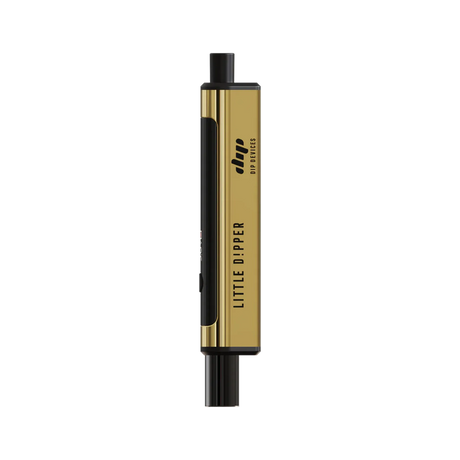
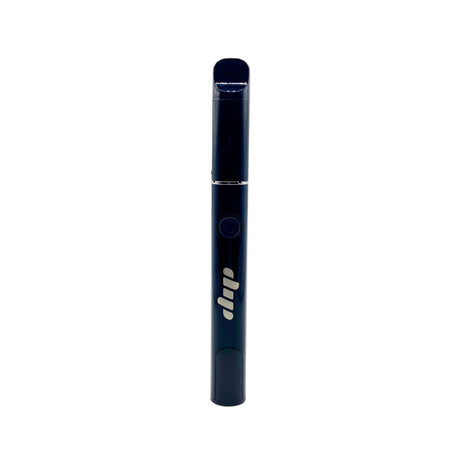
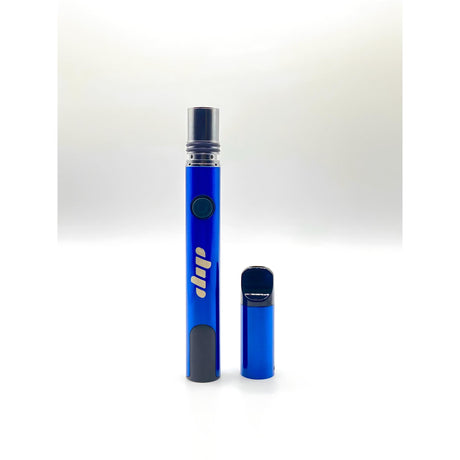
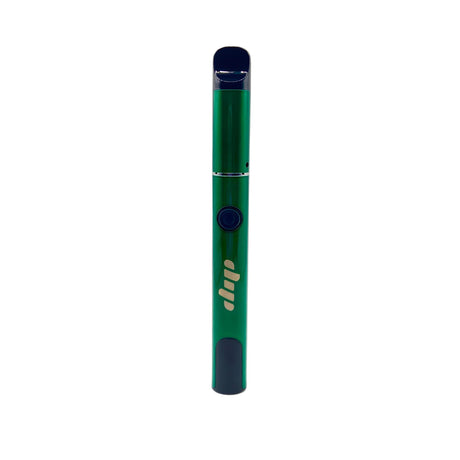
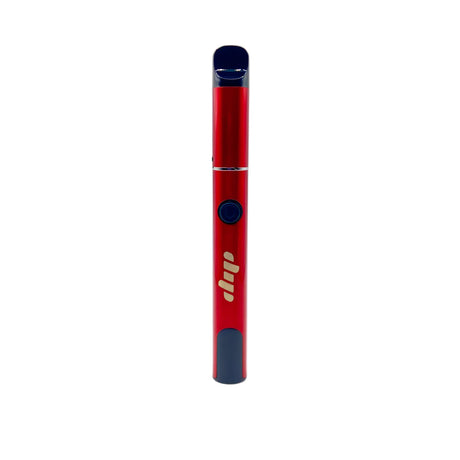
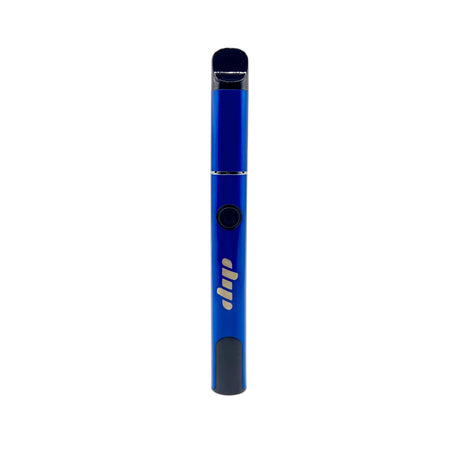
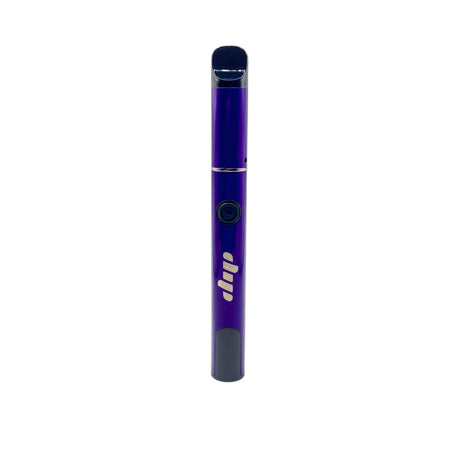
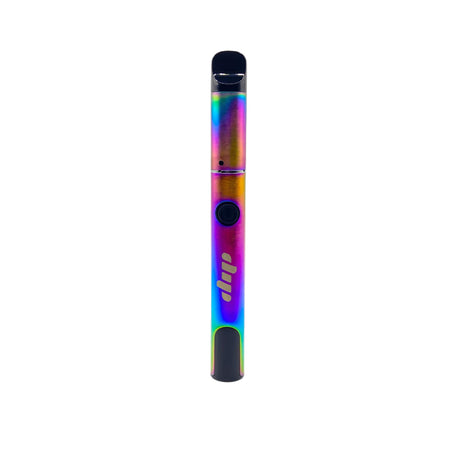
Little Dipper Dab Straw Vaporizer
Sale priceFrom $2999 CAD Regular price $3999Unit price -
 50% off
 20% off
- Up to 47% off
PAX
Sale price $9000 CAD Regular price $16999Unit price -

- Back in Stock
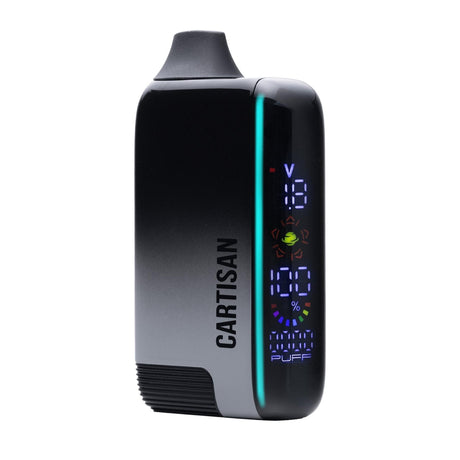
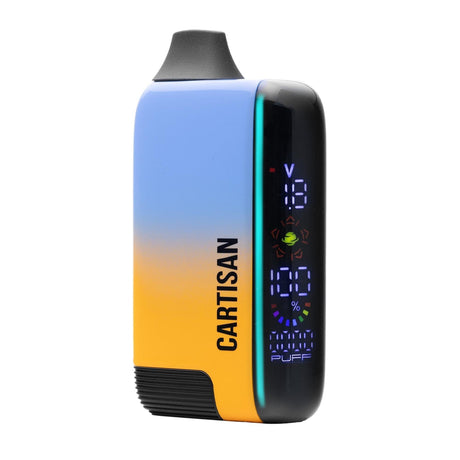
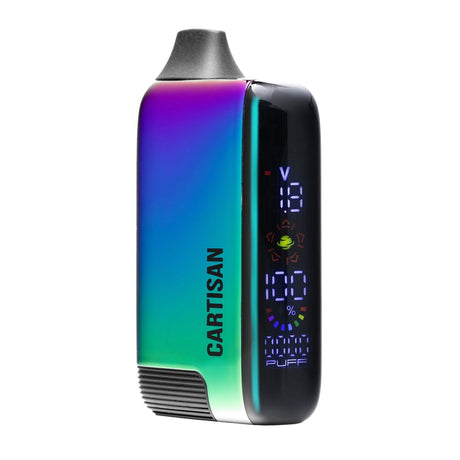
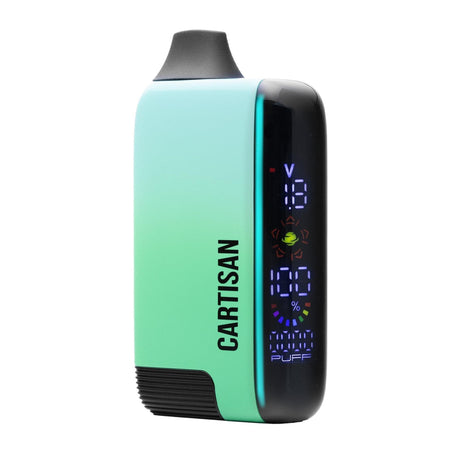
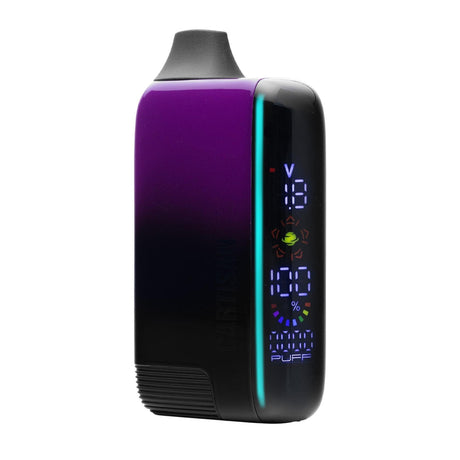
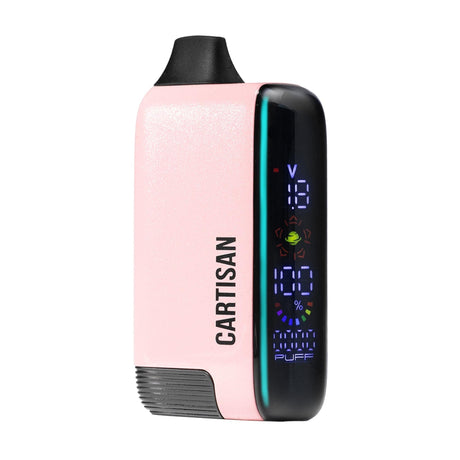
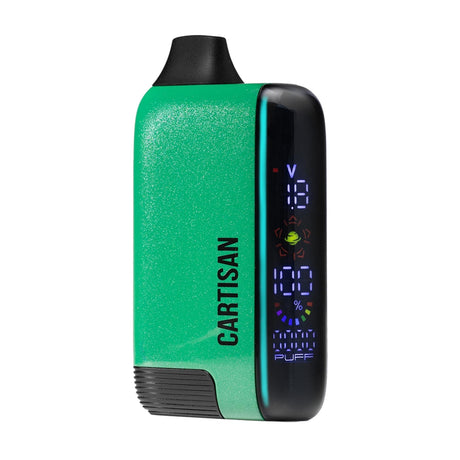
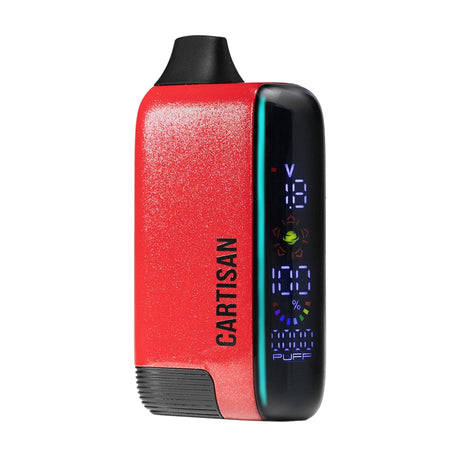
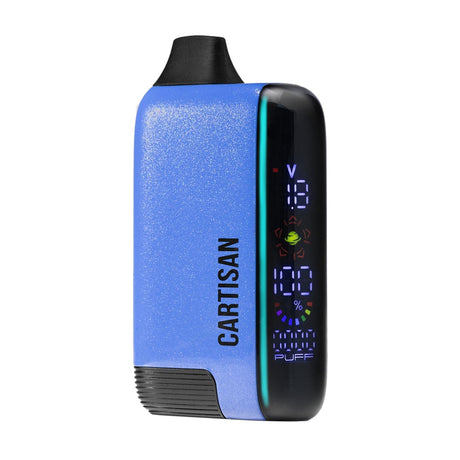
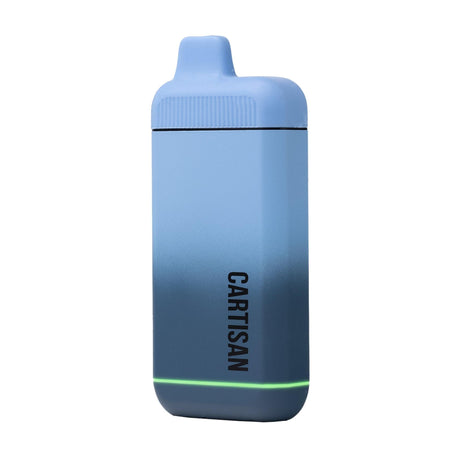
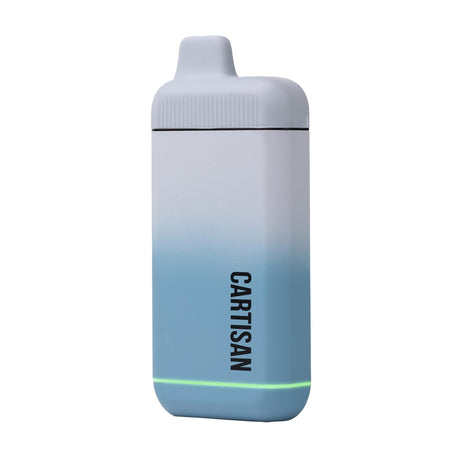
Cartisan
+7Regular price $4799 CADUnit price -
-
- Up to 30% off
-
 75% off
- NEW
-
-
- NEW
Storz & Bickel
Regular price $34900 CADUnit price -
 75% off
Pulsar
RöK Quartz Concentrates Coil V2 Replacement Part - Pack of 5
Sale price $2500 CAD Regular price $9999Unit price
 NEW
NEW 75% off
- NEW
-
-
 50% off
- NEW
-

Storz & Bickel
Regular price $39999 CADUnit price-
- NEW
-
- Back in Stock
MJ Arsenal
Halo Attachment For The Puffco Peak - Alpine Collection
Regular price $10799 CADUnit price -
Storz & Bickel
Regular price $56900 CADUnit price-
- NEW
-
 75% off
 75% off
-
- NEW
-
 NEW
NEW 50% off
 75% off
- NEW
-
 NEW
NEW NEW
NEW- Up to 36% off
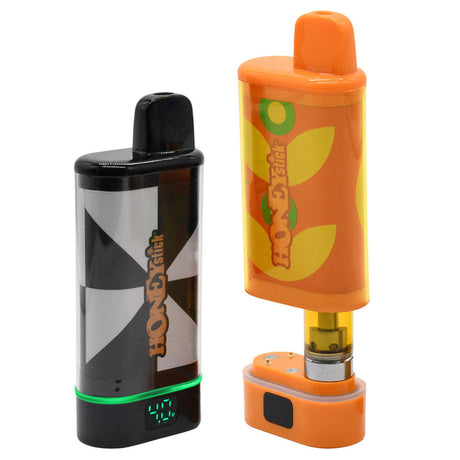
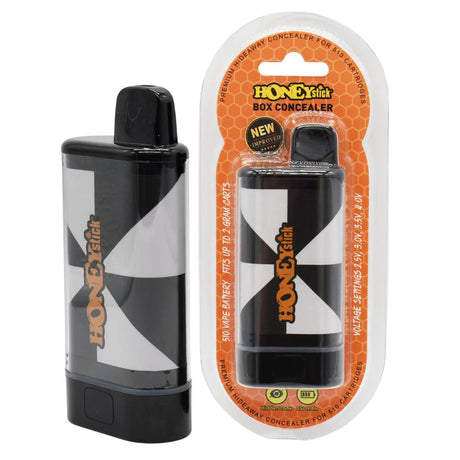
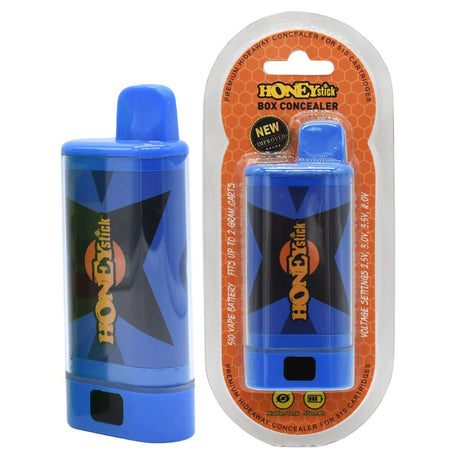
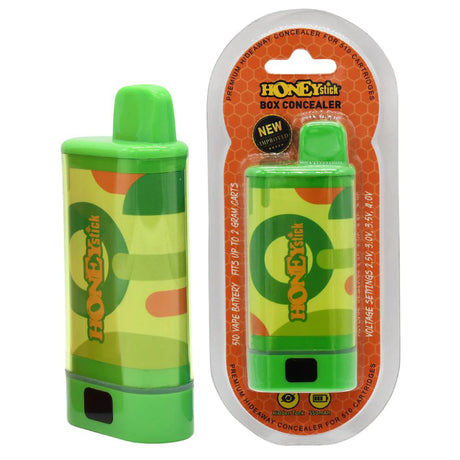
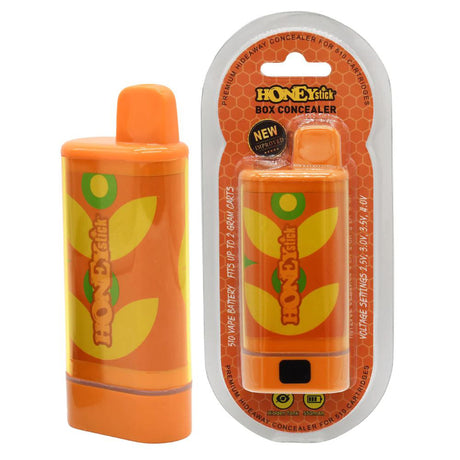
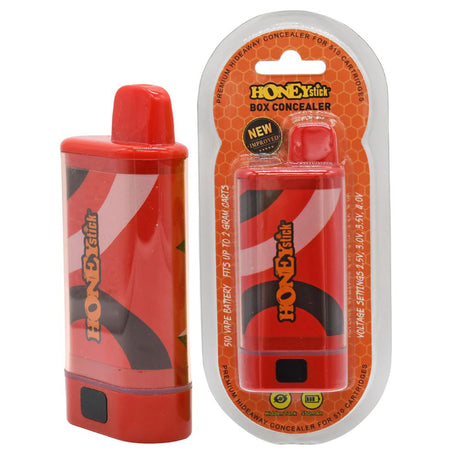
HoneyStick
Box Clear Concealer 510 Thread Battery
Sale priceFrom $2039 CAD Regular price $3199Unit price -
- NEW
-
- Up to 20% off
-
- Price DropUp to 21% off
-


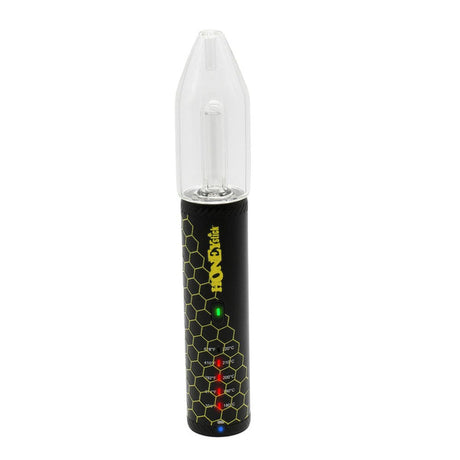
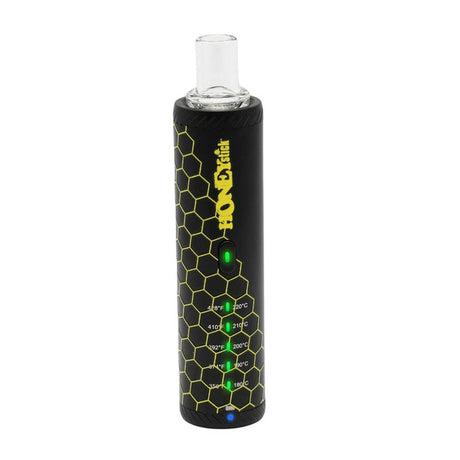








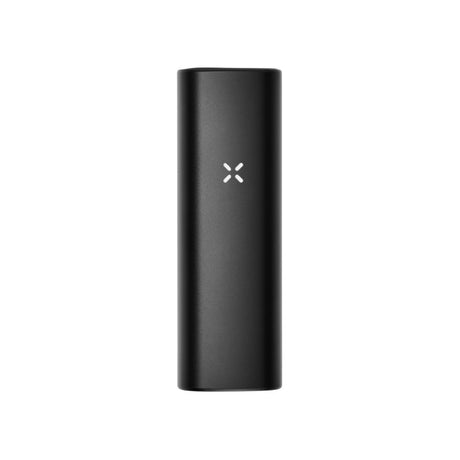
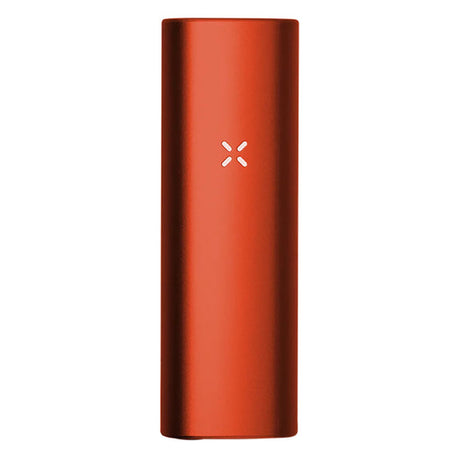
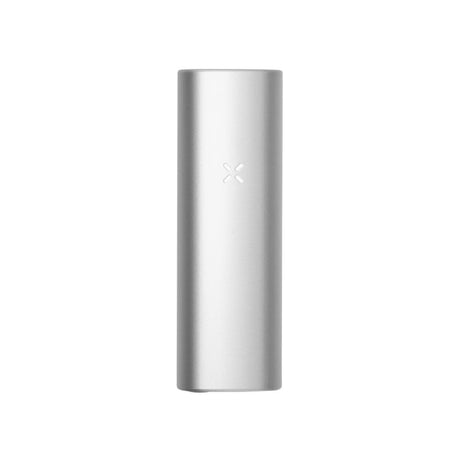


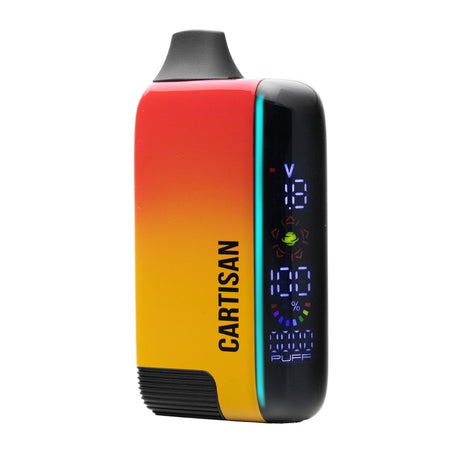
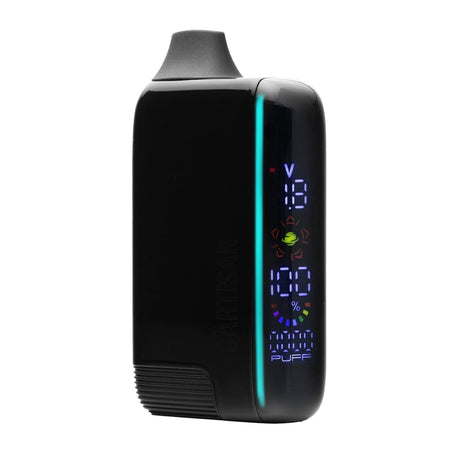
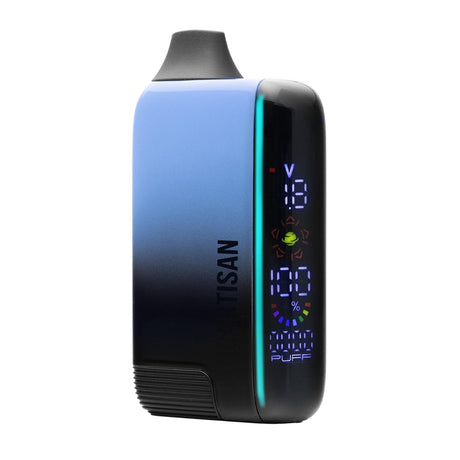
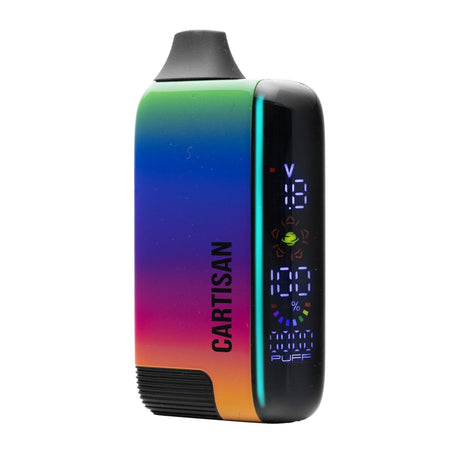
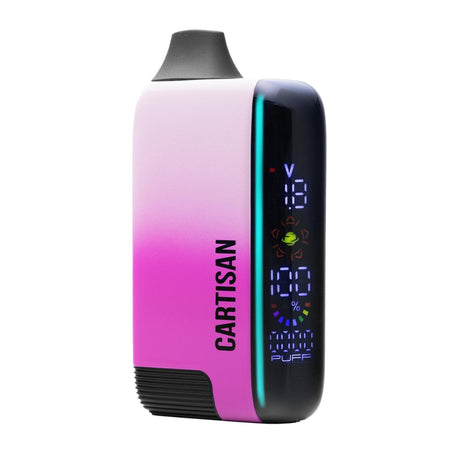












YOUR FIRST VAPORIZERS DECISION COMES DOWN TO WHAT YOU'RE ACTUALLY LOADING
Dry herb, wax concentrates, and oils each need different heating elements to produce clean vapor, and buying the wrong device for your material is the most common mistake Smoke & Vape customers ask us about. A ceramic chamber built for flower won't handle shatter properly, and a coil designed for dabs will scorch ground herb on the first pull. That's why we carry distinct categories here, from dry herb units with temperature displays and convection heating to concentrate pens with quartz or ceramic atomizers, plus e-rigs and quartz bangers for the full dab setup. Brands like Puffco, Arizer, Storz & Bickel, HoneyStick, and Dip Devices each specialize in different materials and form factors, so you're matching the device to what you actually consume rather than forcing one tool to do everything. Know your material first, then pick your device.
| Product | Best For | Why We'd Recommend It | One Thing to Know |
|---|---|---|---|
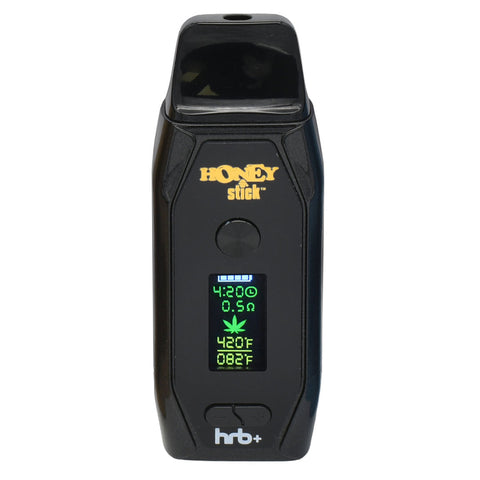 HoneyStick HRB+ Dry Herb Vaporizer |
Someone who wants to dial in exact temps for flower without a big learning curve | The OLED screen shows your set temperature and battery life, and the ceramic chamber heats ground herb evenly. | It's a pen-sized unit, so the chamber holds less than a full-sized portable; you'll repack during longer sessions. |
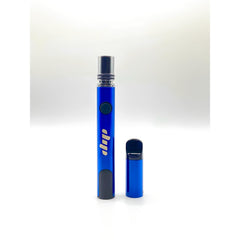 Dip Devices Lunar Dab Pen |
Concentrate users who want something slim enough to carry everywhere | Single-button firing in a true pen form factor means you're dabbing on the go with almost no setup. | It uses replaceable atomizers, so you'll need to swap those out over time as they wear down. |
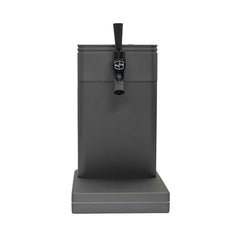 Stache Terp Tap Vaporizer |
Home sessions where you want a countertop rig with a digital display and hands-on control | The tap handle design gives you physical, deliberate control over each draw, and the screen lets you customize settings on the fly. | It's a countertop appliance, not portable at all; this stays on your table. |
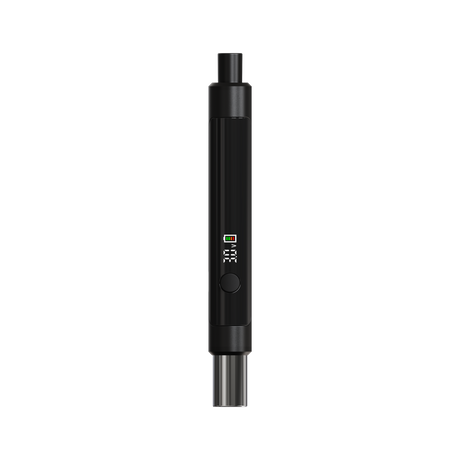
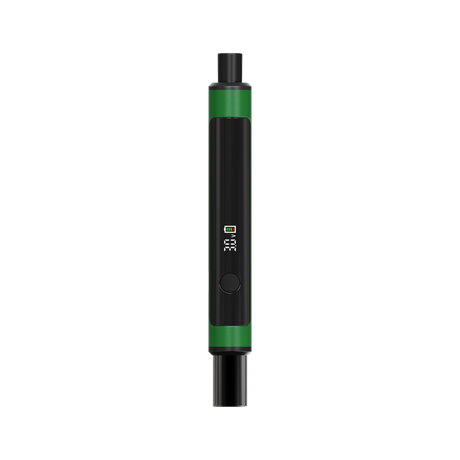
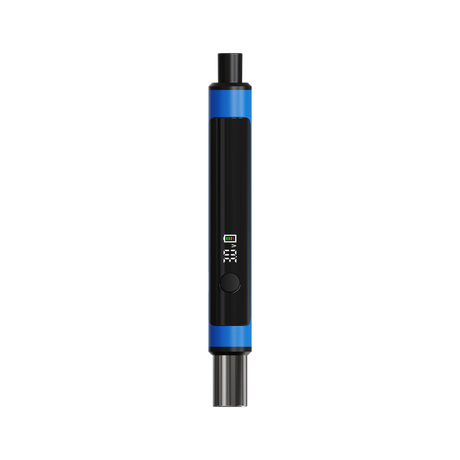
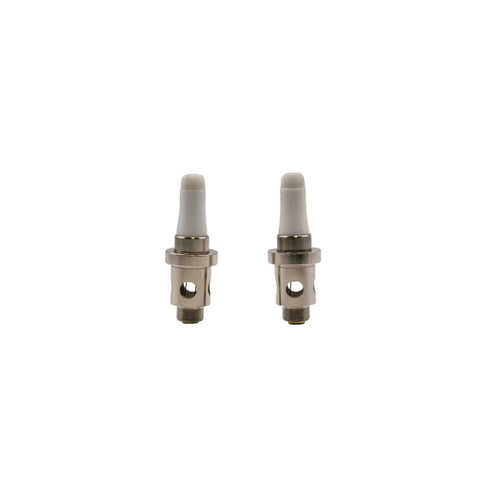 Dip Devices Little Dipper (Quartz Vapor Tip) |
Dabbers who want the cleanest flavour from a nectar collector style pen | Quartz-only tips mean zero metal contact with your concentrate, keeping the taste pure. | Quartz tips are more fragile than metal coil tips, so you'll want to handle and store them carefully. |
Start with what you're loading. Flower only? The HoneyStick HRB+ Dry Herb Vaporizer gives you temp control and a ceramic chamber built for ground herb. Concentrates on the go? The Dip Devices Lunar Dab Pen keeps things simple in a pocket-sized pen. If you dab at home and want full command over every hit, the Stache Terp Tap Vaporizer turns your countertop into a proper station. And if flavour from your concentrates matters more than anything else, swap in the Dip Devices Little Dipper (Quartz Vapor Tip)'s quartz tips for a draw with no metal taste.
What Your Vaporizers Heating Chamber Is Actually Doing to Your Material
Temperature control and chamber material work together in ways that aren't obvious from a spec sheet. This guide explains the mechanics behind heating methods, atomizer materials, and form factor tradeoffs so you can read any product listing and actually understand what it means for your sessions.
Why Ceramic Chambers and Coil Atomizers Aren't Interchangeable
Ceramic chambers heat the air around your material, which means ground herb warms gradually and releases vapor without scorching the outer layer first. Coil atomizers work differently: they apply direct heat to concentrate on contact, which vaporizes it almost instantly but also means the coil temperature spikes and drops with each draw. Loading ground flower into a coil setup doesn't just taste bad, it combusts unevenly because the coil can't sustain the steady, lower heat that dry herb needs. The HoneyStick HRB+ Dry Herb Vaporizer uses a ceramic chamber specifically because flower requires that consistent, even heat distribution across the whole pack.
What Quartz Tips Actually Do That Metal Coils Don't
Quartz is chemically inert, meaning it doesn't react with concentrate compounds at vaporizing temperatures. Metal coils conduct heat faster and can reach higher surface temperatures than quartz, but that reactivity introduces a faint metallic flavour into the vapor, especially on fresh coils or when the material sits on the element too long. Quartz transfers heat more slowly and evenly, which keeps the concentrate in a controlled melt rather than a flash burn. The Dip Devices Little Dipper's quartz vapor tips are designed around that principle, and it's why customers who switch from metal tips notice the difference on the first draw, not after a week of use.
How a Digital Display Changes the Way You Actually Use a Vaporizer
A screen isn't a luxury feature. Without one, you're guessing at temperature, and a five or ten degree difference in a ceramic chamber changes whether you're getting light, flavour-forward vapor or thicker, more fully extracted draws. The HRB+ shows both your set temperature and battery level on its OLED display, which matters because a low battery can cause the chamber to undershoot its target without any obvious sign that something's off. Customers at Smoke & Vape who switch from indicator-light-only devices to a screen-equipped unit almost always say the same thing: they had no idea how inconsistent their previous sessions were until they could see the numbers.
Why Portable Form Factor Affects More Than Just Convenience
A pen-style device like the Lunar Dab Pen fits in a pocket, but that size constraint directly limits chamber volume and battery capacity. Smaller batteries discharge faster under load, which means longer sessions can cause voltage sag, where the device draws less power than it needs and heat output drops mid-use. Countertop units like the Stache Terp Tap Vaporizer don't have that problem because they're not fighting for space inside a slim body, so the hardware can sustain consistent output through an entire session. The tradeoff isn't just portability versus power; it's also about whether your device can hold its temperature from the first draw to the last.
Why Replaceable Atomizers Are a Maintenance Schedule, Not an Upgrade
Atomizers and vapor tips wear out because concentrate residue builds up on the heating element over time, and that residue changes how heat transfers to fresh material. A degraded atomizer runs hotter in some spots and cooler in others, which produces uneven vapor and off-flavours that are easy to misread as a problem with your concentrate. Dip Devices sells replacement atomizers for the Lunar and replacement tips for the Little Dipper separately for this reason: the pen itself lasts, but the heating element is a consumable. Knowing that upfront means you're not troubleshooting a "broken" pen when the fix is a fresh atomizer.
Frequently Asked Questions
Is vaporizing actually smoother on your lungs compared to smoking from a pipe or bong?
Yes, and the reason is straightforward: a vaporizer heats your material below the point of combustion, so you're inhaling vapor instead of smoke. When you light a bowl in a pipe or bong, the flame burns the plant material and produces tar, ash particulates, and a range of combustion byproducts that irritate your throat and lungs. A vaporizer keeps temperatures low enough that the active compounds release as a vapor without that burning process ever happening. The result is a noticeably cooler, less harsh draw.
That said, "smoother" doesn't mean "zero irritation." Vapor can still feel warm and cause a mild throat tickle, especially at higher temperature settings. This is where having actual temperature control matters. On the HoneyStick HRB+ Dry Herb Vaporizer, the OLED screen lets you set a precise temperature for your dry herb session, so you can keep things in the lower range for a lighter, more flavour-forward draw that's gentler on the inhale. Crank it up and you'll get thicker vapor with more extraction, but also more throat sensation. Having that dial-in ability means you're adjusting the experience to your own comfort level rather than accepting whatever a flame gives you.
Bongs do filter smoke through water, which cools it and removes some particulates, and that helps. But water filtration doesn't eliminate combustion byproducts; it just softens the delivery. A vaporizer sidesteps the combustion entirely, which is a fundamentally different approach. If you've been coughing through bowl packs and wondering if there's a better way, vaporizing is the most direct upgrade you can make for your lungs without changing what you consume.
What is the difference between convection and conduction heating in a dry herb vape?
Conduction heating means your herb sits directly on a heated surface, like a hot plate cooking from the bottom up. The material touching the chamber walls heats first, and the herb in the centre of the pack takes longer to reach temperature. This can lead to uneven extraction if you don't stir or shake the chamber between draws. The upside is that conduction devices tend to heat up faster and are simpler to build into a compact form factor, which is why you see it in a lot of portable pen-style vapes.
Convection heating works differently. Instead of the walls doing the work, hot air passes through the herb and heats it from all sides at once. Think of it like an oven versus a stovetop; the heat surrounds the material rather than hitting it from one direction. This produces more even extraction and generally better flavour, because the herb vaporizes uniformly instead of toasting the outer layer while the inside stays underdone.
In practice, plenty of devices use a hybrid approach that blends both methods. The HoneyStick HRB+ Dry Herb Vaporizer uses a ceramic chamber, which conducts heat into the herb while also warming the air inside the chamber. Ceramic is a good middle ground because it distributes heat more evenly than metal and doesn't introduce unwanted flavours. The key takeaway is that your grind consistency and how you pack the chamber affect the result almost as much as the heating method itself. A fine, even grind with a loose pack gives hot air room to circulate, which improves any heating style. If you pack it too densely, even a convection device will struggle to heat the centre evenly.
Do vaporizers produce a noticeable smell compared to smoking?
They do produce a smell, but it's dramatically less than what you get from combustion. Lighting herb in a pipe or rolling paper creates thick, lingering smoke that clings to fabric, hair, and walls for hours. Vapor dissipates faster because it doesn't carry the same tar and particulate load, so the scent tends to fade within minutes rather than hanging around a room all evening.
The type of material you're vaporizing matters here. Dry herb sessions produce more aroma than concentrate sessions because flower contains a wider range of terpenes that release as the chamber heats up. A device like the HoneyStick HRB+ Dry Herb Vaporizer running at lower temperatures will produce a lighter, more subtle scent than the same device cranked to maximum, because higher heat releases more compounds into the air. Concentrate pens like the Dip Devices Lunar Dab Pen produce even less odour, since wax and shatter are already refined and don't carry the same plant material that generates that classic "someone's smoking" smell.
That said, "less smell" isn't "no smell." If you're vaping dry herb indoors, someone walking into the room will likely notice something, especially mid-session. It just won't soak into the couch the way smoke does. For the most discreet option, concentrates in a pen form factor keep the scent footprint as small as possible. If discretion is a real priority for you, that's a genuine reason to lean toward a dab pen over a dry herb vaporizer, even if flower is what you normally prefer.
What safety features should I look for when buying a vape pen for concentrates?
The first thing to check is whether the pen has auto shutoff. A concentrate pen that stays on indefinitely in your pocket or bag is a burn risk and a waste of material. Most reputable devices will power down after a set period of inactivity, which protects both you and the heating element. The Dip Devices Lunar Dab Pen, for example, uses a single button interface that's simple to operate but also means the device isn't firing unless you're actively pressing it, which reduces the chance of accidental activation.
Short circuit protection is another feature worth confirming. If an atomizer fails or a connection goes bad, a pen without short circuit protection can push current into a fault, which generates excess heat and can damage the battery. Any well-designed pen from a brand like Dip Devices or Yocan will have this built in, but it's worth verifying on lesser-known brands before you buy.
Battery quality and charging method matter more than people realize. USB-C charging is becoming standard and tends to be more stable than older micro-USB connections, which were prone to loose fits and inconsistent charging. The HoneyStick HRB+ Dry Herb Vaporizer charges via USB-C, and while it's a dry herb device, the same principle applies across vape pens: a reliable charging connection reduces the risk of overcharging or undercharging, both of which degrade battery cells over time.
Finally, pay attention to the atomizer material. Quartz and ceramic are inert, meaning they don't release compounds when heated. The Dip Devices Little Dipper (Quartz Vapor Tip)'s quartz vapor tips give you a completely metal-free vapor path for concentrates, which is both a flavour benefit and a safety one. Metal coils are functional, but if you're concerned about what you're inhaling beyond your concentrate itself, quartz or ceramic is the safer choice.
How long does a typical vape pen battery last before it needs to be replaced or recharged?
Recharge frequency depends on three things: battery capacity, how long your draws are, and what temperature or voltage you're running. A pen-style device like the Dip Devices Lunar has a smaller battery than a box-style or countertop unit simply because of its slim form factor. That's the tradeoff for portability. Expect to charge a pen-sized device daily if you're using it for multiple sessions, or every couple of days with lighter use.
Temperature plays a bigger role than you might expect. Higher heat settings pull more power per draw, so a dry herb vape like the HoneyStick HRB+ Dry Herb Vaporizer running at 420°F will drain faster than the same device set to 360°F. The HRB+'s OLED screen shows your battery level in real time, which helps you plan around your session rather than getting caught with a dead device halfway through. Without a display, you're relying on LED colour codes that only give you a rough idea of where things stand.
As for total battery lifespan before the cell itself degrades, most lithium-ion batteries in vape pens hold up well for several hundred charge cycles. After that, you'll notice the battery doesn't hold a full charge the way it used to, and sessions get shorter. This is normal lithium-ion behaviour, not a defect. Keeping your pen charged between 20% and 80% when possible, rather than running it dead and then fully topping it off every time, helps extend the overall life of the cell. Countertop units like the Stache Terp Tap Vaporizer sidestep this concern entirely since they're plugged in during use, so battery degradation isn't part of the equation if your sessions happen at home.