Portable Vaporizers: Compact, Powerful, and Versatile
Enjoy premium vapor quality with our sleek, travel-friendly portable vaporizers.
Discover our top brands and cutting-edge technology with our selection of portable vaporizers, designed for convenience, discretion, and top-tier performance.
Portable vaporizers provide a high-quality vaping experience in a compact, easy-to-carry design. Thanks to advancements in battery life and heating technology, many portable vaporizers now offer precise temperature control, allowing you to customize your sessions to suit your preferences.
Vaporizers | Wax & Dab Pens | Electric Dab Rigs | Dab Rigs | Vape Pens | Dry Herb Vaporizers | Dab Tools | Quartz Bangers
Portable Vaporizers: Compact, Powerful, and Versatile
Enjoy premium vapor quality with our sleek, travel-friendly portable vaporizers.
Discover our top brands and cutting-edge technology with our selection of portable vaporizers, designed for convenience, discretion, and top-tier performance.
Portable vaporizers provide a high-quality vaping experience in a compact, easy-to-carry design. Thanks to advancements in battery life and heating technology, many portable vaporizers now offer precise temperature control, allowing you to customize your sessions to suit your preferences.
Vaporizers | Wax & Dab Pens | Electric Dab Rigs | Dab Rigs | Vape Pens | Dry Herb Vaporizers | Dab Tools | Quartz Bangers
 25% off
-
36% off
-
30% off
-
![Vie 2 in 1 Vaporizer (Red)-Turning Point Brands Canada]()
![Vie - 2 in 1 Vaporizer (Silver)-Turning Point Brands Canada]() Up to 75% off
Up to 75% off -
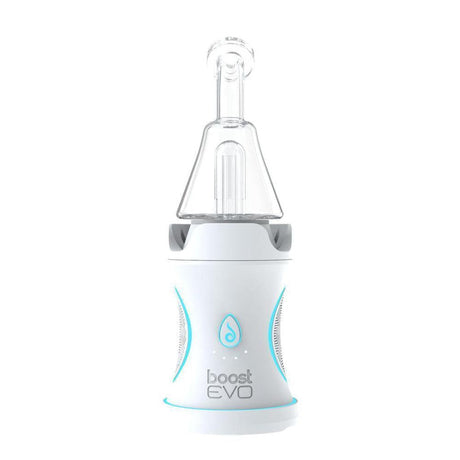
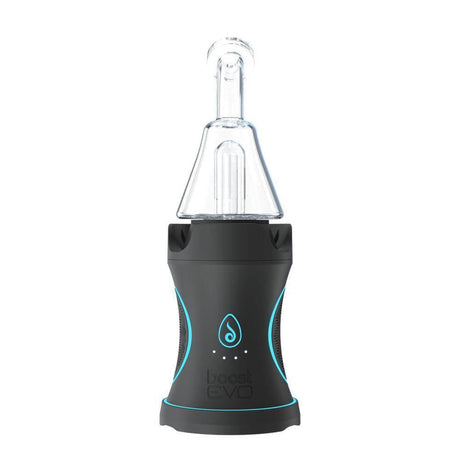
![Dr. Dabber - Boost EVO Electric Dag Rig (Black)-Turning Point Brands Canada]() Up to 50% off
Up to 50% off -
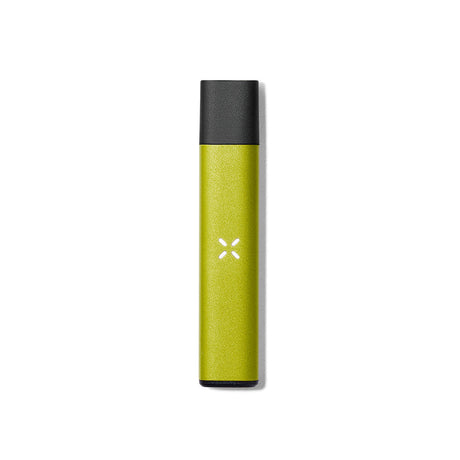
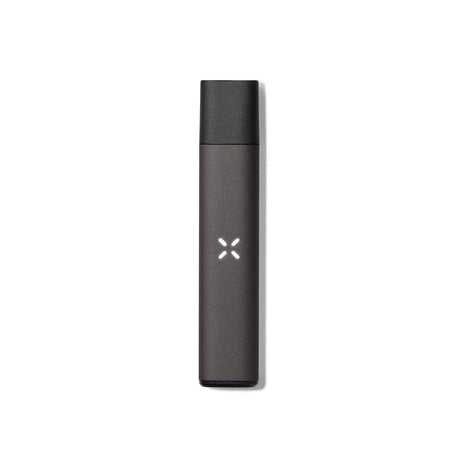
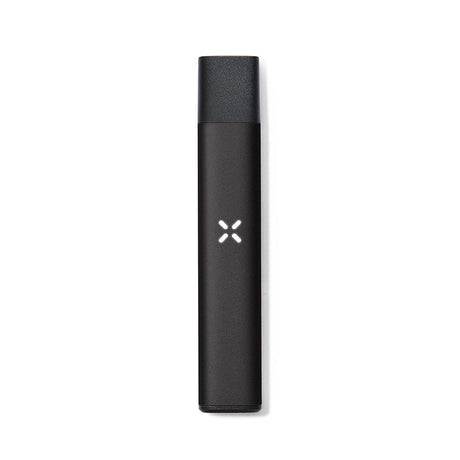
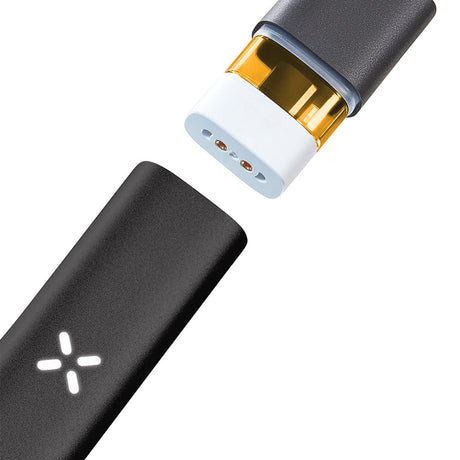
![PAX Era Life Oil Extract Vaporizer, featuring a sleek design with a white X, offers portability and instant draw activation for a smooth vaping experience.]()
Introducing the PAX Era Life Oil Extract Vaporizer, where simplicity meets innovation.
Up to 51% off -
50% off
-
50% off
-
58% off
-
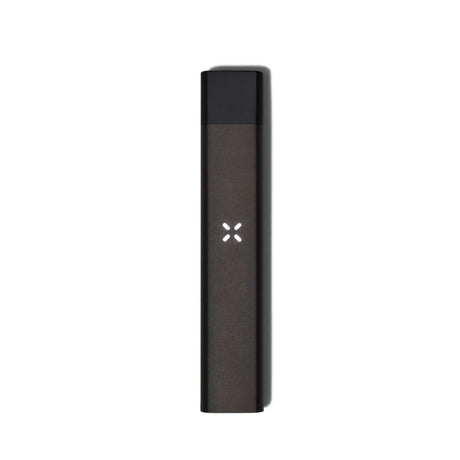
Building on everything you love about the Era Life, the PAX Era Pro takes convenience and functionality to the next level.
75% off -
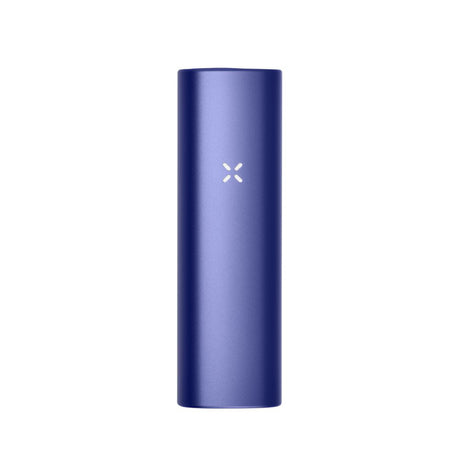
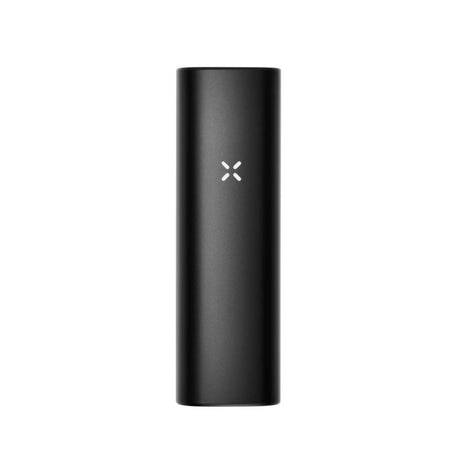
![PAX Plus Dry Herb Vaporizer, a blue cylindrical device with a white 'X', known for its compact, dual-use design and reliability for on-the-go vaping.]()
![PAX Plus Dry Herb Vaporizer, close-up of its cylindrical silver design, showcasing dual-use functionality and compact form for convenient, high-performance vaping.]()
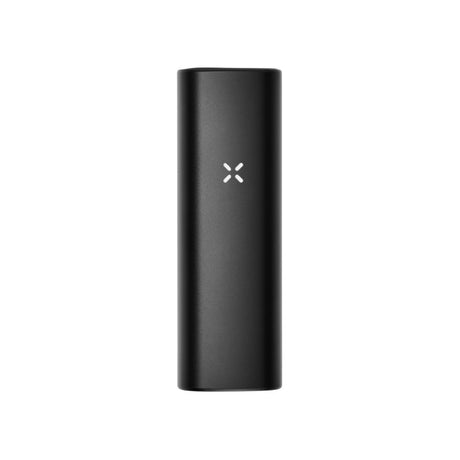
![PAX Plus Dry Herb Vaporizer, a sleek black cylindrical device with white text, designed for dual-use functionality and compact, on-the-go vaping convenience.]()
Ideal for both seasoned users and newcomers, the PAX Plus combines versatility and simplicity, allowing you to switch between dry herb and concentrate sessions seamlessly.
Up to 27% off -
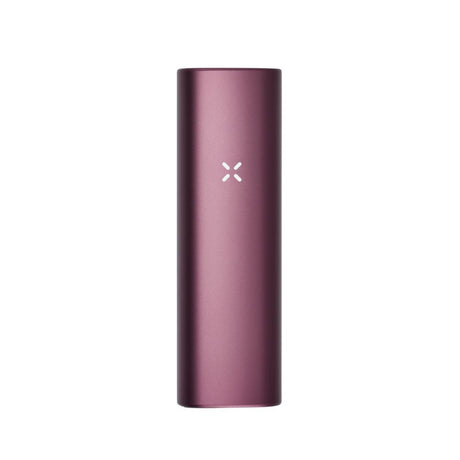
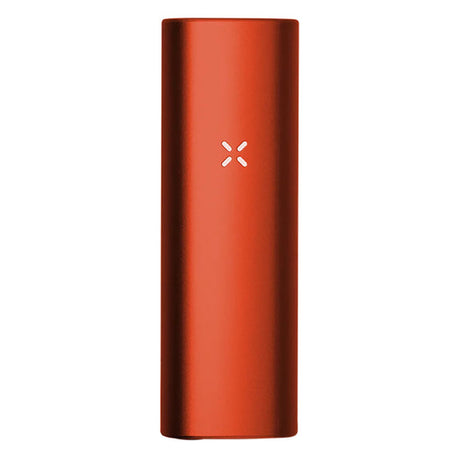
![PAX Mini Dry Herb Vaporizer featuring a red rectangular design with a white icon, known for efficient heating and smooth vapor in a compact form.]()
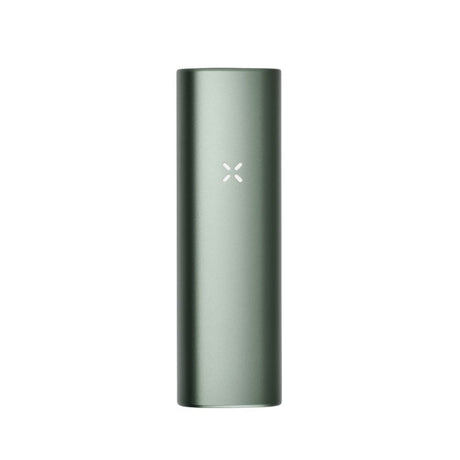
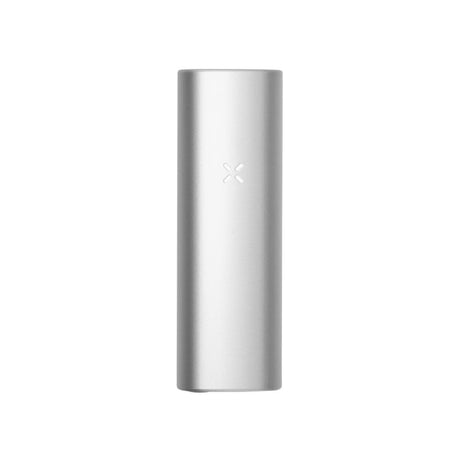
![PAX Mini Dry Herb Vaporizer, a silver cylindrical device, features simple operation and compact design for efficient vaping on the go.]()
Introducing the PAX Mini Dry Herb Vaporizer, the smallest PAX device to date, designed for portability without sacrificing performance.
Up to 47% off -
![DaVinci IQC 2 in 1 Vaporizer (Blue)-Turning Point Brands Canada]()
![DaVinci IQC 2 in 1 Vaporizer (Green)-Turning Point Brands Canada]()
![DaVinci IQC 2 in 1 Vaporizer (Red)-Turning Point Brands Canada]() Up to 50% off
Up to 50% off -
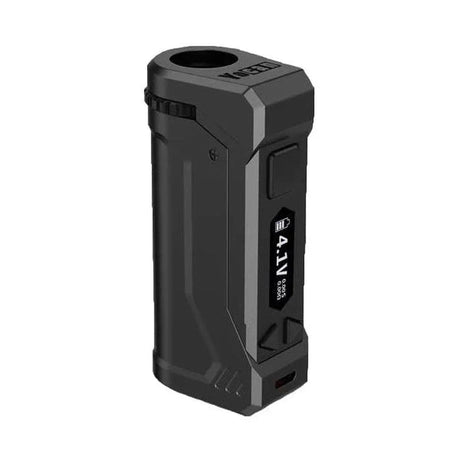
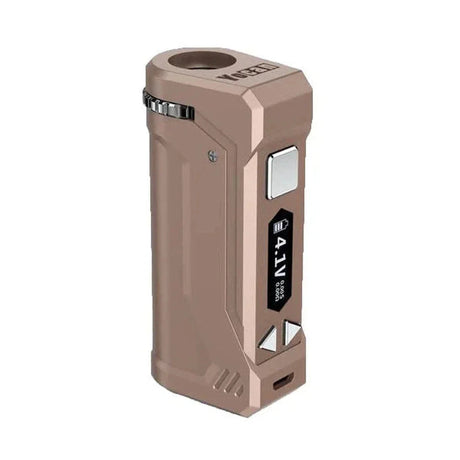
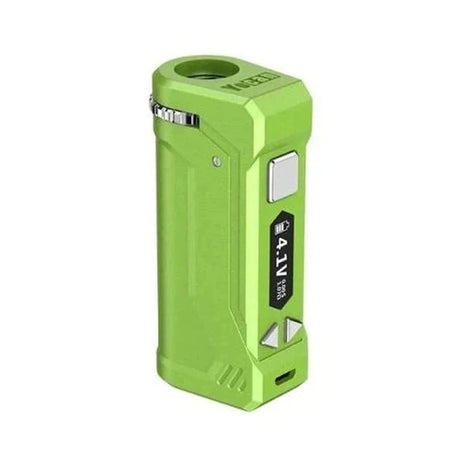
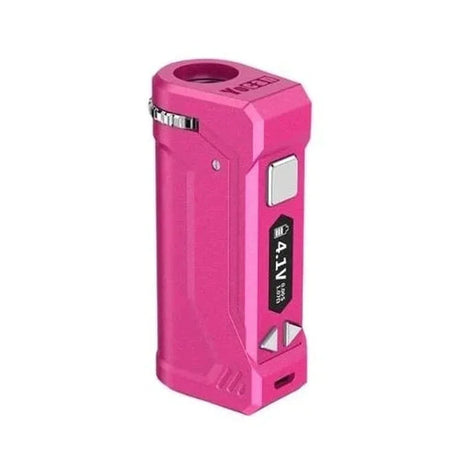
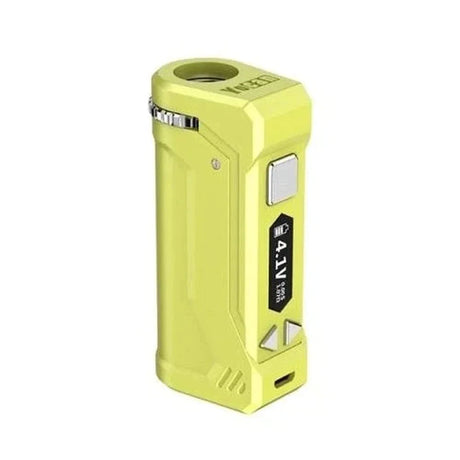
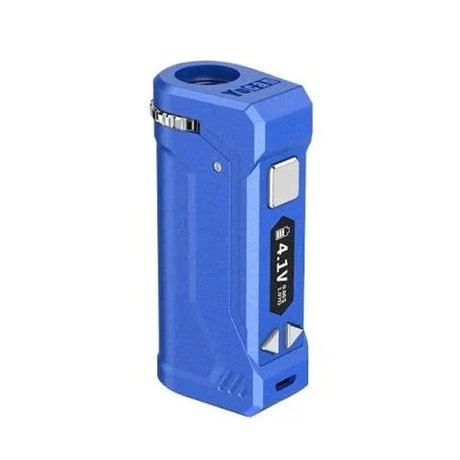
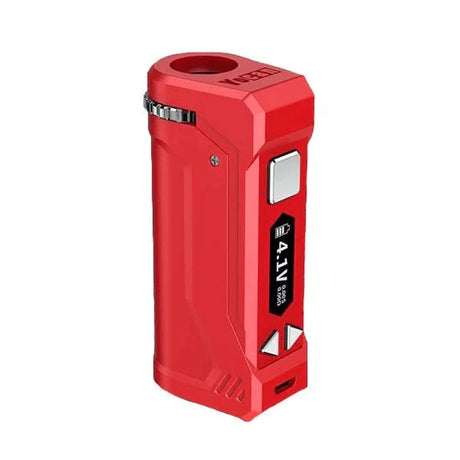
![Close-up of the UNI Pro Digital Box Mod 510 Thread Battery, showcasing its sleek design and OLED screen, highlighting its precision voltage adjustment feature for optimal vaping control.]()
![UNI Pro Digital Box Mod 510 Thread Battery, featuring an OLED screen, precision voltage control, and buttons, designed for enhanced cartridge vaping experiences.]()
![Yocan UNI Pro Digital Box Mod 510 Thread Battery with precise voltage adjustment, OLED screen, and compact design for enhanced vaping experience.]()
![Yocan UNI Pro Digital Box Mod 510 Thread Battery featuring precision voltage control, OLED screen, compact design, and professional-grade performance for cartridge vaping.]()
![Yocan UNI Pro Digital Box Mod 510 Thread Battery, featuring a sleek design with sharp edges and an intuitive OLED display for precise vaping control.]()
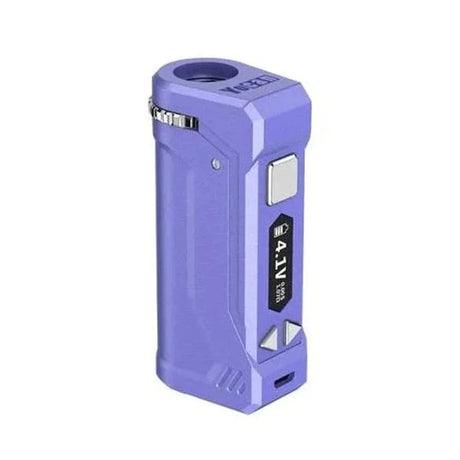
![UNI Pro Digital Box Mod 510 Thread Battery, sleek blue device with buttons, offers precision voltage control and OLED display for customizable vaping.]()
![UNI Pro Digital Box Mod 510 Thread Battery showcases a sleek design with precision buttons for voltage control, enhancing vaping functionality and experience.]()
![UNI Pro Digital Box Mod 510 Thread Battery, featuring a compact design with an OLED display for precise voltage control and universal cartridge compatibility, ideal for portable vaping.]()
-
-
-
Compact, portable, and battery-powered, the Storz & Bickel CRAFTY+ is the ideal companion for both seasoned enthusiasts and those new to the world of dry herb vaping.
-
Introducing the Storz & Bickel MIGHTY+ Dry Herb Vaporizer, known for its exceptional performance, the MIGHTY has always been in a league of its own, and now, the MIGHTY+ takes it a step further with new, groundbreaking features designed to enhance your vaping experience.
-
-




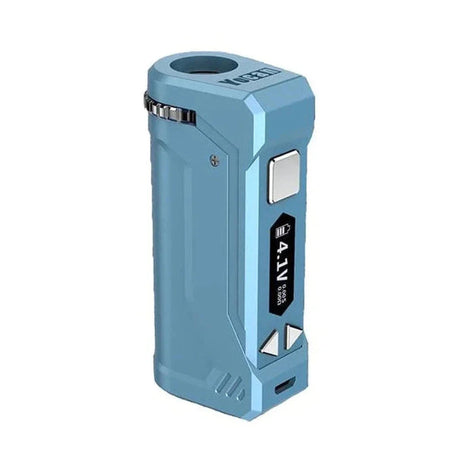


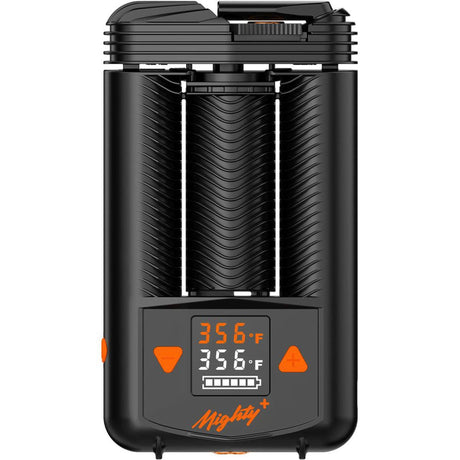
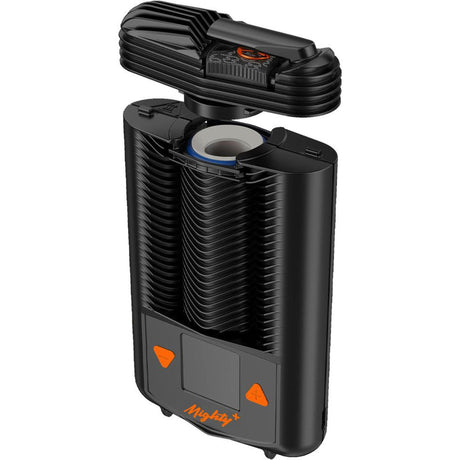


CHOOSING BETWEEN PORTABLE VAPORIZERS COMES DOWN TO WHAT YOU'RE ACTUALLY CONSUMING
Flower and concentrates vaporize differently, and a device built for one rarely does the other justice. Dry herb vapes like the ones from PAX and RYOT use controlled heat to pull vapor from ground flower without combustion, while e-rigs from brands like HoneyStick and Dr. Dabber are engineered specifically for wax and oil, with chambers that handle viscosity and atomization that a flower vape simply can't replicate. Smoke & Vape carries both sides of that split because buying the wrong format means you're fighting your gear every session. Figure out what you're vaping first, and the right device becomes an obvious choice.
| Product | Best For | Why We'd Recommend It | One Thing to Know |
|---|---|---|---|
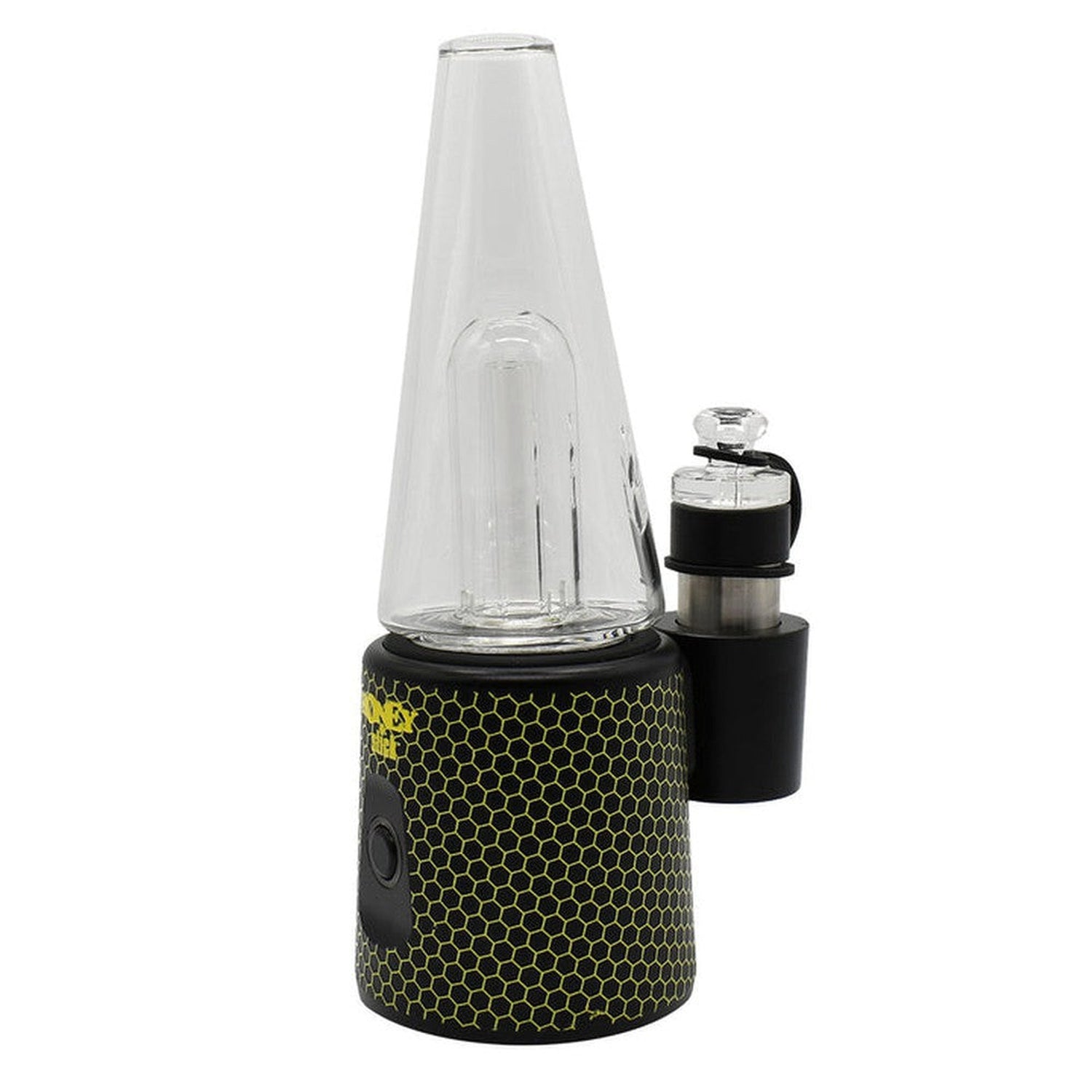 Ripper Electric Dab Rig |
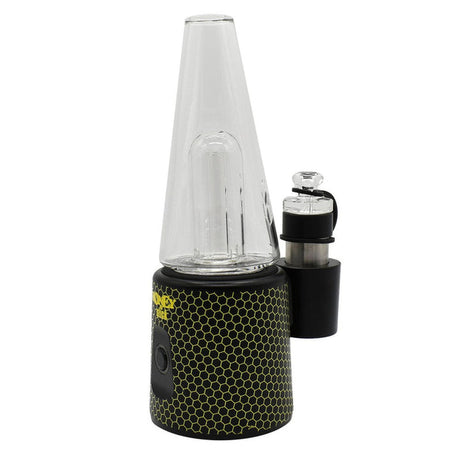
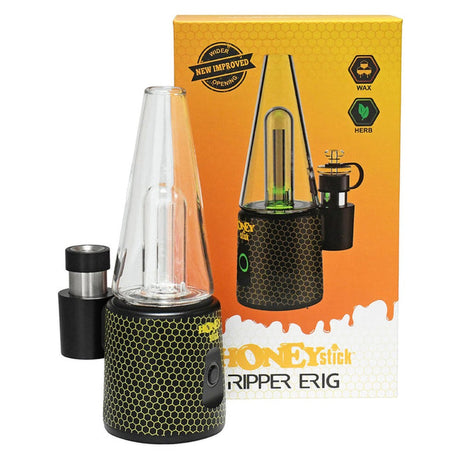
Concentrate users who want water-filtered dabs without a torch anywhere in the setup | Full-sized water bubbler built into the electric rig cools your hits before they reach you, no open flame required. | It's a larger unit, so it's not going in a pocket or a bag without some planning. |
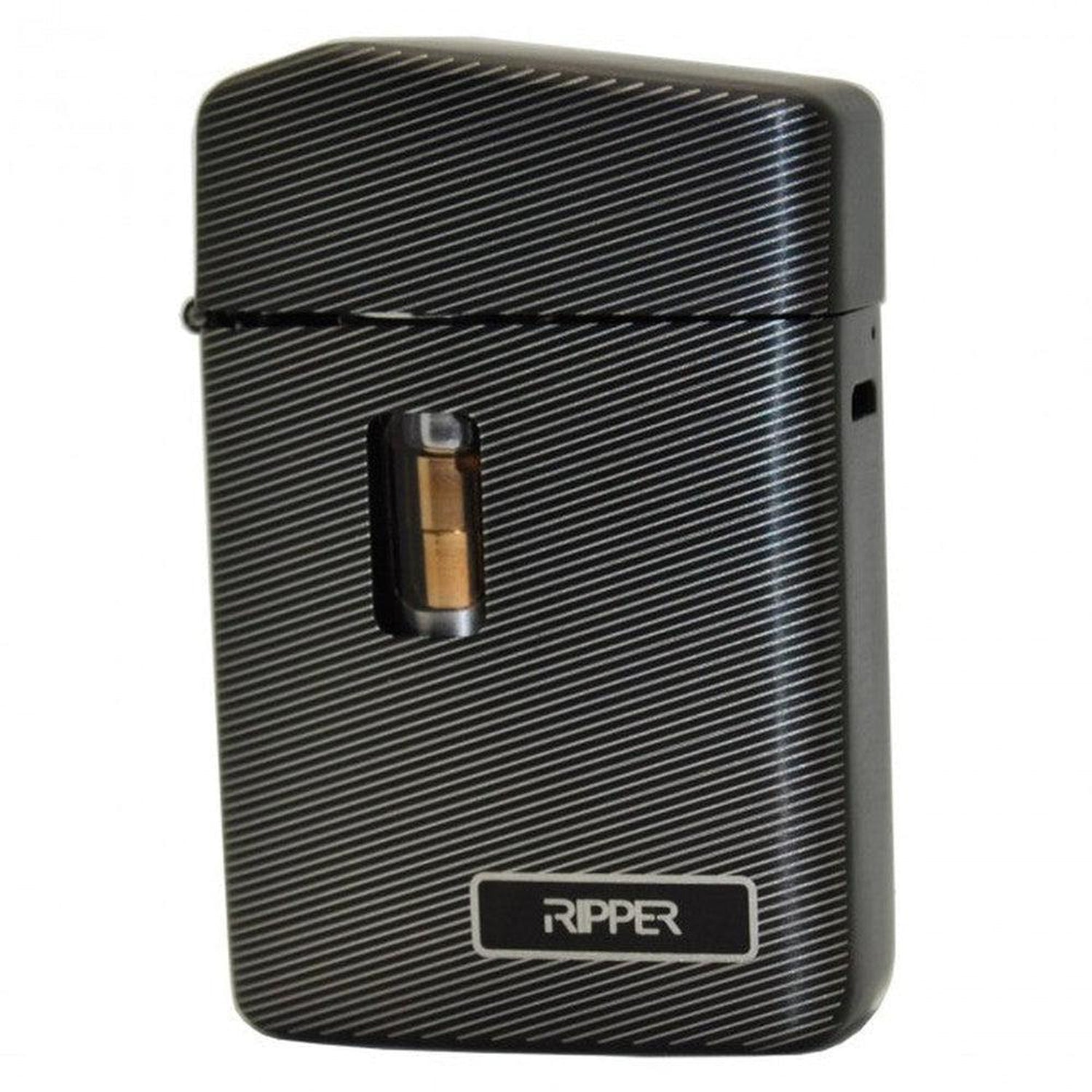 Ripper Essential Oil & Wax Vaporizer |
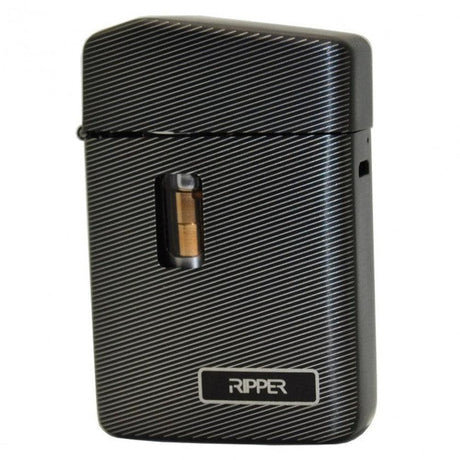
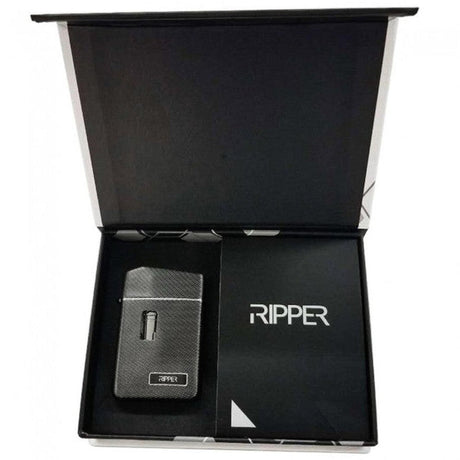
Someone who wants a portable wax pen they can actually carry without bulk | Dedicated oil and wax vaporizer in a body that's far more pocketable than a full e-rig. | No water filtration, so hits won't be as cool or smooth as the full Ripper rig. |
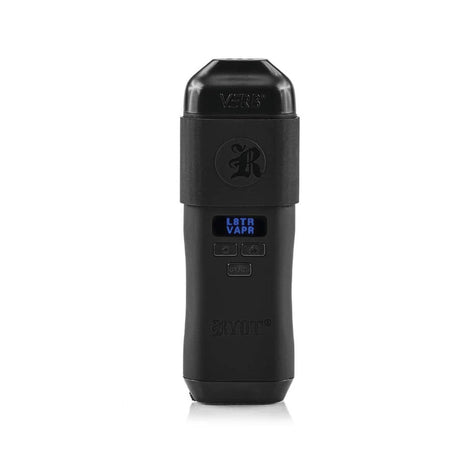
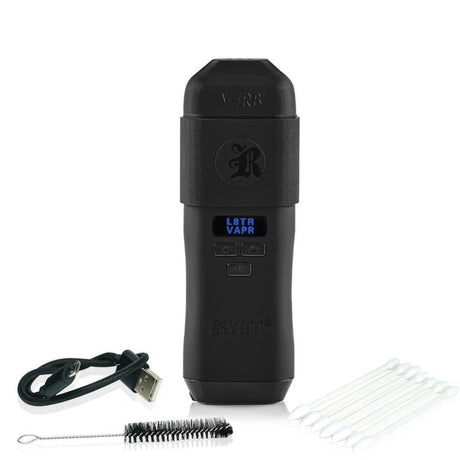
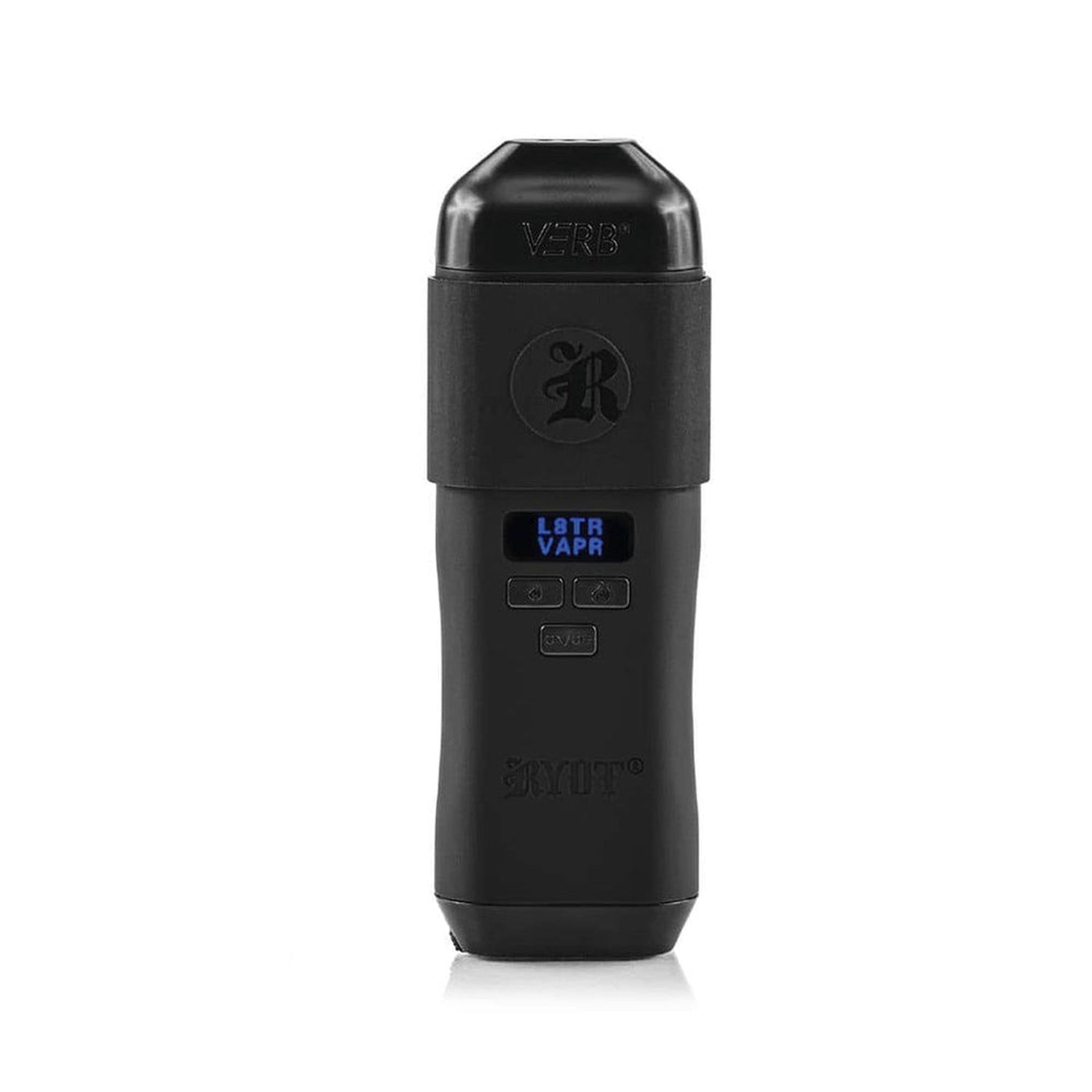 RYOT VERB Dry Herb Vaporizer |
Flower vapers who want a straightforward device without a steep learning curve | Compact, purpose-built dry herb body from a brand that's been making herb gear for years. | It's flower only, so if you're ever running concentrates, you'll need a separate device. |
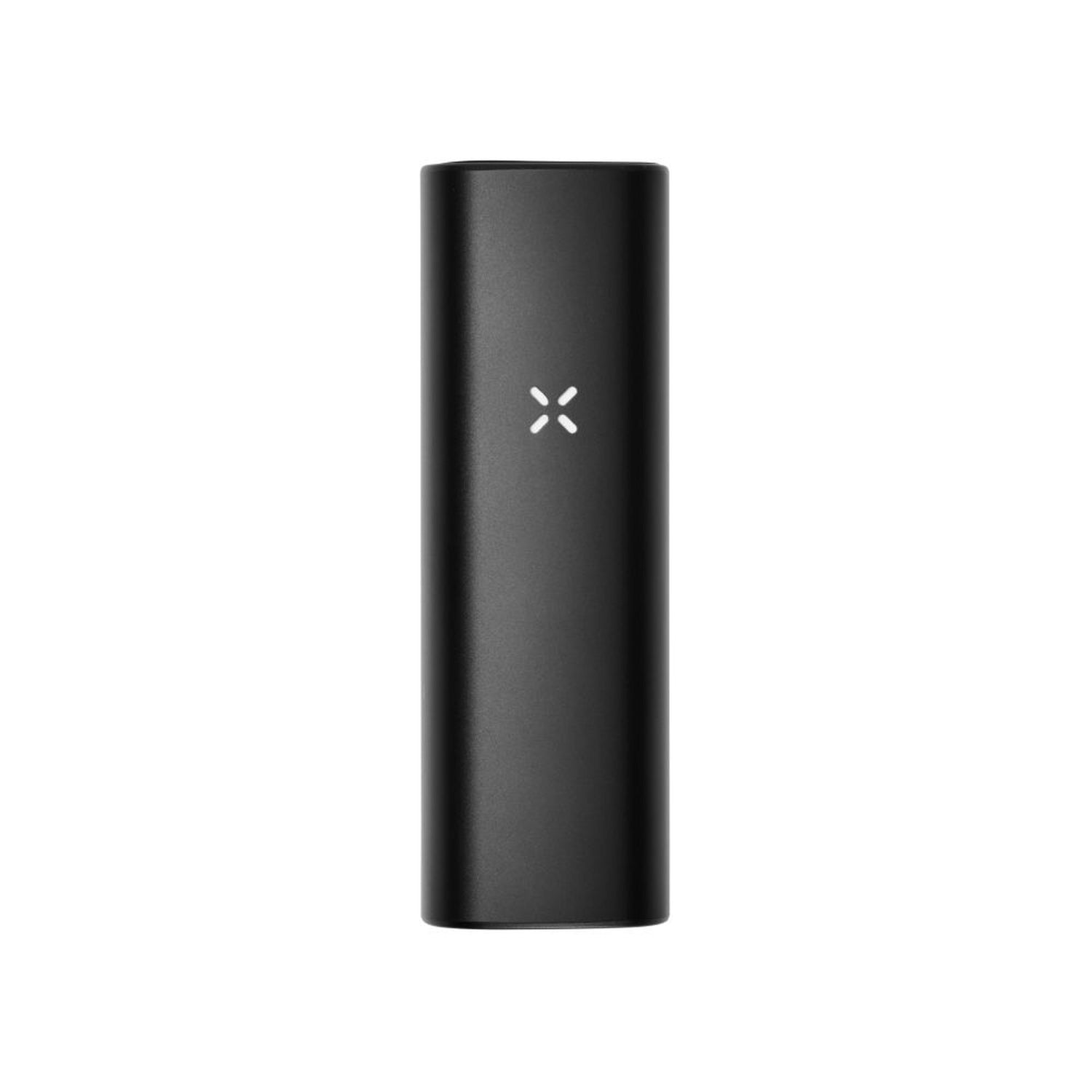 PAX Mini Dry Herb Vaporizer |
Someone who wants a PAX at the lowest commitment point, nothing extra, just heat and go | Slim cylindrical PAX body in its most stripped-down form, easy to use and easy to carry. | Currently sold out, so check back if this is the one you want. |
 PAX Plus Dry Herb Vaporizer |
Flower and concentrate users who don't want to carry two separate devices | Handles both dry herb and concentrates in one compact cylindrical body. | Also currently sold out, and it's a bigger investment than the PAX Mini Dry Herb Vaporizer. |
Concentrate or flower is still the call that splits this list most cleanly. If you're on concentrates, the Ripper Electric Dab Rig gives you the smoothest experience, and the Ripper Essential Oil & Wax Vaporizer wax pen is the move if you want that in something pocketable. On the flower side, the RYOT VERB Dry Herb Vaporizer is available now, while the PAX options are worth the waitlist if you want that specific form factor or the dual-use of the Plus.
What You Actually Need to Know Before Buying Portable Vaporizers
Heating method, chamber design, and form factor all interact in ways that aren't obvious from a product photo. This guide explains the mechanics behind those differences so you can read a spec sheet and know what it means for your actual experience.
Why Conduction and Convection Produce Different Vapor
Most portable dry herb vaporizers heat your material one of two ways: direct contact with a hot surface (conduction) or hot air flowing through the chamber (convection). Conduction heats faster and tends to produce thicker vapor early in a session, but it also keeps heating your herb even when you're not drawing, which means you can scorch the edges while the center stays undercooked. Convection pulls heat through the material only when you inhale, so the temperature stays more consistent across the whole chamber. The practical difference shows up in flavor, conduction sessions often taste better at the start and flatten out, while convection holds that flavor longer because the heat isn't sitting on the herb between draws.
What Water Filtration Actually Changes About a Concentrate Hit
People assume the bubbler in an electric dab rig like the HoneyStick Ripper Electric Dab Rig is just for show, or that it's purely a smoothness upgrade. It's doing something more specific than that. Water cools the vapor before it reaches your throat, which reduces the harshness that comes from hot, dense concentrate vapor hitting dry airways. The water also acts as a basic filter, catching some of the heavier particulates that come off a wax load. A portable wax pen without water filtration, like the HoneyStick Ripper wax vaporizer, delivers vapor that's hotter and more direct, which some people prefer, but it's a different physical experience, not just a smaller one.
How Chamber Size Affects Pack Strategy and Session Length
A smaller oven doesn't just mean fewer draws. It changes how you have to pack the chamber, and packing matters more than most people expect. Dry herb vaporizers work best when the chamber is packed firmly enough to allow good contact or airflow, but not so densely that air can't move through. Overpacking a small oven cuts airflow and produces weak, thin vapor even at higher temperatures. Underpacking a large oven leaves too much dead space, and the herb on the edges doesn't heat evenly. We see this mistake often at Smoke & Vape, customers blaming the device for poor performance when the real issue is a pack that's too loose or too full for that specific chamber size.
Why Dual-Use Devices Make a Real Engineering Compromise
A device that handles both dry herb and concentrates isn't doing both jobs the same way a dedicated unit does. Concentrates are viscous and require a chamber or atomizer that can handle liquid-adjacent material without gumming up the airpath. Dry herb needs consistent airflow through solid, granular material. When a single device handles both, like the PAX Plus, it typically uses inserts or separate loading methods to switch between modes, and cleaning becomes more involved because residue from one material can affect the flavor of the other. That's not a flaw, it's a real tradeoff you're accepting in exchange for carrying one device instead of two.
What Battery Behavior Tells You About Session Reliability
Portable vaporizers run on lithium-ion batteries, and lithium-ion cells deliver less power as they drain. That matters because most portable vaporizers use battery voltage to maintain their target temperature, and a battery at 20% capacity can't sustain the same output as one at full charge. The result is that your last few sessions of the day often run cooler and produce thinner vapor than your first, even at the same temperature setting. Compact form factors make this more pronounced because smaller bodies fit smaller battery cells with less total capacity. If you're someone who goes long stretches between charges, this is worth factoring into which size and format you buy.
Frequently Asked Questions
What's the best way to clean a dry herb vape without damaging it?
Isopropyl alcohol is your best tool here, and 90% or higher concentration works better than the 70% you'd find at a drugstore. The higher the concentration, the less water content, which means it evaporates faster and leaves less residue behind. For most dry herb vapes, the routine is the same: let the oven cool completely, brush out any loose material with the cleaning brush that came with the device (most include one), then use a cotton swab dampened with isopropyl to wipe down the chamber walls and the mouthpiece screen.
The part people skip is the airpath, and that's usually where flavour degrades first. Resin and vapour residue accumulate in the tube between the oven and the mouthpiece, and once that buildup is thick enough, every draw tastes like old herb no matter how fresh your load is. A pipe cleaner soaked in isopropyl, run through the airpath and then followed by a dry one, clears that out. On a device like the PAX Plus Dry Herb Vaporizer or PAX Mini Dry Herb Vaporizer, PAX makes dedicated cleaning kits with the right sized brushes and pipe cleaners for their airpath geometry, which makes this step easier than improvising.
The one thing to be careful about is soaking. Submerging any part of a portable vaporizer in liquid, even isopropyl, risks getting moisture into areas it shouldn't reach, particularly around the battery contacts or any electronic components. Damp swabs and pipe cleaners, not wet ones. Let everything dry fully before you reassemble and fire the device. A quick dry heat cycle after cleaning, with no herb loaded, helps burn off any remaining alcohol before your first real session back.
How does changing the temperature affect the flavor and intensity of vapor?
Lower temperatures preserve more of the aromatic compounds in your herb, which is why a session at 170 to 185 degrees Celsius tends to taste noticeably brighter and more flavourful than one running at 210 or higher. Those aromatic compounds, called terpenes, are volatile and burn off quickly when exposed to high heat. At lower settings, you're vaporizing them gently, and that's where the most interesting flavour comes through. The tradeoff is that vapour at lower temperatures is thinner and less visible, which some people read as the device not working, but it is working, just producing a lighter, more flavour-forward output.
Pushing the temperature up produces thicker, denser vapour and a more intense experience overall. More of the active compounds are being vaporized per draw, so the effect is stronger and faster. The flavour, though, gets progressively more muted as you climb the temperature range, and at the top end it can start to taste harsh or slightly burnt, especially if your herb is on the drier side. That's not a flaw in the device; it's just what happens when you're running hot.
A practical approach for most people is to run the first half of a session at a lower temperature to get the flavour, then bump it up toward the end to extract more from the remaining material. Devices with precise temperature control, like the PAX Plus Dry Herb Vaporizer, make this easy to dial in because you're setting an exact number rather than cycling through a few preset levels. If your vape only has a few preset settings, the middle option is usually the best place to spend most of your time, with the top setting reserved for finishing a bowl.
How fine should I grind my herb before loading it into a vaporizer?
Medium is the word most people land on, but that's vague enough to be almost useless without some context. What you're aiming for is a consistency that's finer than hand-broken pieces but not so powdery that it passes through your screen or packs into a dense, airflow-blocking mass. Think of it like coarse salt, not a fine powder, not chunky irregular pieces. A two-piece grinder with medium-spaced teeth gets you there reliably, and that's enough for most dry herb vapes.
The reason grind consistency matters so much is airflow. Vaporizers heat herb by moving hot air through it or by conducting heat from the chamber walls into the material. Either way, the herb needs to be broken up enough that heat can reach all of it evenly. Whole pieces or loosely broken chunks leave too much surface area unexposed, and you end up with outer edges that vaporize while the interior stays untouched. You use more herb and less out of it.
Going too fine creates the opposite problem. Very fine grinds pack densely, restrict airflow, and can pull through the screen into the airpath, which is both wasteful and a cleaning headache. If you notice your sessions feeling harder to draw from, or if you're finding material in your mouthpiece, the grind is probably too fine. For devices with smaller ovens, like the PAX Mini Dry Herb Vaporizer, erring slightly coarser helps keep airflow open. For something like the RYOT VERB Dry Herb Vaporizer, a consistent medium grind is the right call to get even heat distribution across the whole chamber load.
How discreet are portable vaporizers compared to smoking a joint or using a pipe?
Meaningfully more discreet, in most situations. The vapour from a dry herb vaporizer dissipates faster than smoke, produces less visible cloud at lower temperatures, and doesn't carry the same lingering odour that combustion does. Smoke from a joint or a pipe clings to fabric, hair, and surfaces in a way that vapour generally doesn't. That's not just a perception difference; it's a chemistry difference. Combustion produces a much wider range of compounds that bond to surfaces and stay there. Vapour is lighter and disperses more quickly.
That said, "discreet" doesn't mean odourless. Dry herb vaporizers still produce a noticeable smell during a session, especially at higher temperatures where the herb is being pushed closer to its combustion point. Lower temperature sessions produce less smell and less visible output, which is one of the practical reasons people run cooler settings when discretion matters. The HoneyStick Ripper Essential Oil & Wax Vaporizer and other concentrate-based devices tend to produce even less smell than dry herb vapes because there's no plant material being heated, just oil or wax.
Form factor plays into discretion too. A compact device like the PAX Mini Dry Herb Vaporizer or the RYOT VERB Dry Herb Vaporizer fits in a closed hand and doesn't require any setup, loading, or open flame. Compare that to rolling and lighting a joint, and the difference in how much attention you draw is obvious. A portable e-rig like the HoneyStick Ripper Electric Dab Rig is a different story; it's larger, requires a bit more setup, and isn't something you'd pull out casually in most settings. If low-profile use is a priority, a pocketable dry herb vape or a compact wax pen is the more practical choice.
How do I know when my herb is fully vaped and it's time to reload?
The most reliable signal is colour. Fully vaped herb turns from its natural green to a light tan or brown, sometimes darker depending on how high you ran your temperature. If you open the oven and the material is still showing green in the centre, there's likely more left in it. If it's uniformly brown and dry throughout, you've pulled most of what's available. Some people call this spent material AVB, or "already vaped bud," and set it aside because it still has some residual potency, but that's a separate conversation.
Flavour is the other indicator, and for a lot of people it's actually the more intuitive one. Fresh herb in a clean vaporizer has a distinct flavour that changes as the session progresses. When the flavour flattens out or starts tasting more like warm air than anything else, the material is close to done. If you push past that point, especially at higher temperatures, you'll start to notice a slightly harsh or toasty taste, which is a sign you've extracted most of what's useful and the remaining material is getting scorched rather than vaporized.
Vapour density drops off noticeably toward the end of a session too. If your draws are producing noticeably thinner output than they were at the start, even after you've bumped the temperature up, that's the device telling you the oven is running low. On devices with precise temperature control, like the PAX Plus Dry Herb Vaporizer, a common approach is to run a finishing step at the top of the temperature range to make sure you've extracted everything before you reload. Once you've gone through a few sessions with a specific device, you'll develop a feel for how many draws a properly packed oven gives you, and reloading becomes more intuitive than analytical.