

















Explore a wide range of smoking accessories designed for convenience, style, and functionality. From blow torches, ashtrays, and rolling trays to reusable lighters, silicone molds, and decarboxylator kits, these tools elevate your smoking, cooking, and crafting experiences. Durable, portable, and versatile, each accessory is made to enhance usability while keeping your space organized and odor-free.
- Sold out
-
- Sold out
-
- 50% off
V-Syndicate
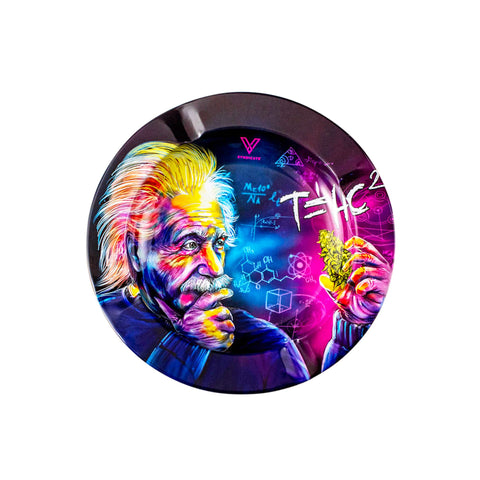
Metal Ashtray - T=HC2 Einstein Classic
Sale price $500 CAD Regular price $999Unit price -
-

-
 Sold out90% off
-

-
-
-
 Sold out50% off
Zig-Zag
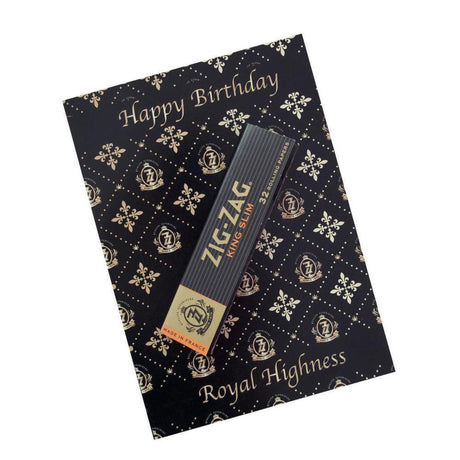
Zig-Zag x Kush Kards - Happy Birthday Your Royal Highness
Sale price $650 CAD Regular price $1299Unit price
 Sold out
-
-
-
-
-
-
-
-
-
-
-
-
-

 25% off
GET LOST
Hand Pipe Gift Set - 5 in 1 - Baby Blue Swirl
Sale price $7874 CAD Regular price $10499Unit price-
-
 Sold out
Clipper
Large Reusable Lighters - Random Creatures Pattern - 48 Pack
Regular price $6899 CADUnit price Sold out
Clipper
Large Reusable Lighters - Random Creatures Phoenix - 48 Pack
Regular price $6899 CADUnit price Sold out
-
-

 Sold out
-


ONGROK
Regular price $2500 CADUnit price
-
- Sold out
-


MORE ACCESSORIES WORTH HAVING AROUND YOUR SETUP
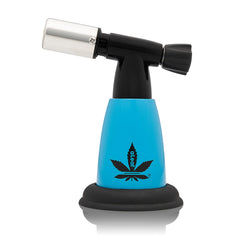
The gear that sits beside your piece matters more than most people give it credit for, and Smoke & Vape carries the supporting tools that make a real difference in how your sessions actually run. A reliable blow torch like the aLeaf 5" Blow Torch Turbo Flame holds a consistent 2500°F flame, which is the kind of thing you notice immediately if you've been using a cheap lighter for dabs. Ashtrays from Zig-Zag and V-Syndicate are built to last on a tabletop, not crack the first time something heavy lands on them. These aren't afterthoughts; they're the pieces that keep everything else working the way it should.
| Product | Best For | Why We'd Recommend It | One Thing to Know |
|---|---|---|---|
 aLeaf 5" Blow Torch Turbo Flame |
Anyone heating a banger who wants a compact, reliable torch | 2500°F flame in a 5" body with seven color options and a silicone boot for grip | It's a small canister, so you'll refill more often than with a full-size torch |
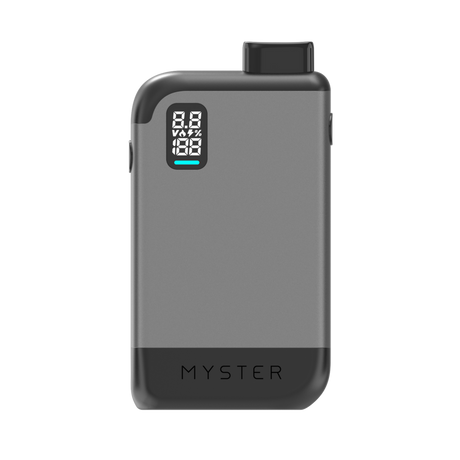
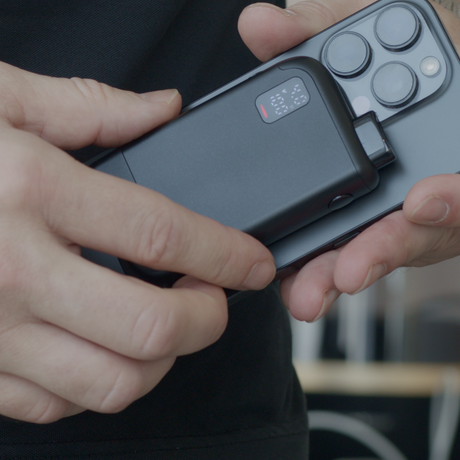
 Myster MagBox Magnetic 510 Battery |
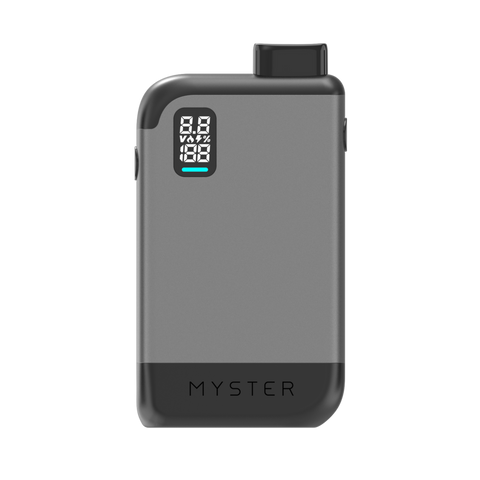
Someone who wants their 510 cart hidden, not hanging off a pen | Magnetic design conceals the cartridge inside the body with a digital display for settings | It's a new arrival with limited reviews so far |
 V-Syndicate Metal Ashtray (T=HC2 Einstein) |
People who want a durable ashtray that doesn't look like one from a gas station | Metal construction holds up to drops and heat, and the printed artwork adds some personality to your table | Metal won't absorb odor, but it also won't snuff out a cherry the way a deeper glass tray can |
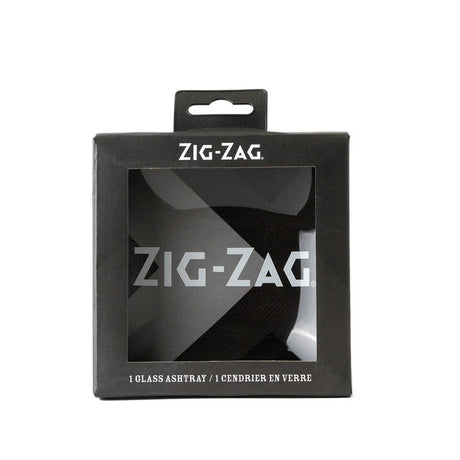
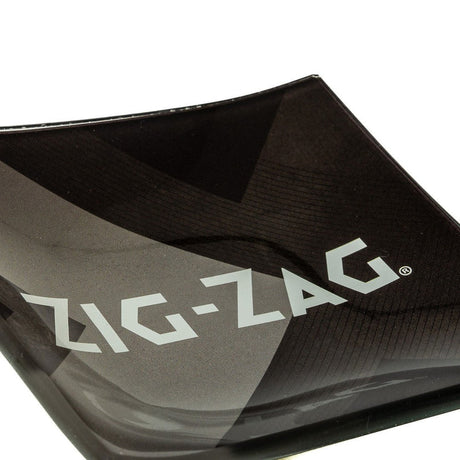
 Zig-Zag Shatter Resistant Glass Ashtray (Smokey) |
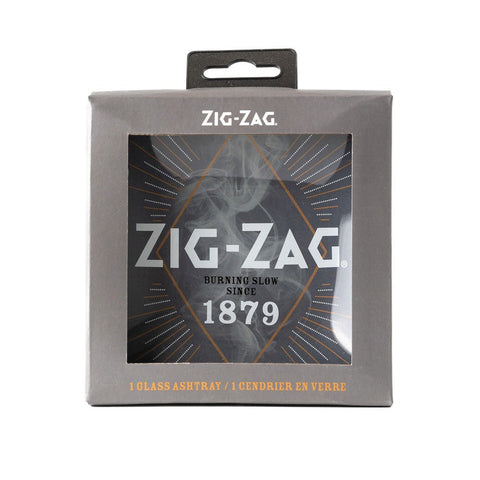
Tabletop sessions where you'd rather have glass that can take a knock | Shatter resistant glass means you're not sweeping up pieces after one bump | Glass is still heavier than metal or silicone, so it stays put but isn't something you'd toss in a bag |
Your first call here is what you're actually missing from your setup. If you don't have a torch yet (or you're tired of the one you've got flickering out), the aLeaf is the one we'd grab. For tabletop stuff, it comes down to material: the V-Syndicate metal tray is lighter and nearly indestructible, while the Zig-Zag glass tray feels more substantial and sits planted on a desk. If you're running 510 carts and want something discreet, the MagBox is worth a look since it tucks the cartridge away entirely.
What You Should Know Before Buying More Accessories
Supporting gear gets bought on impulse more than any other category, and that's usually how people end up with a torch that runs out in two sessions or an ashtray that cracks on the first drop. This guide covers what actually separates functional accessories from frustrating ones, so you're buying with your eyes open.
Why Torch Size Affects How Often You Refill
A compact torch and a full-size torch can put out the same flame temperature, but the canister volume is completely different. The aLeaf 5" Turbo Flame hits 2500°F in a body small enough to palm, which is genuinely useful for portability, but a smaller canister means butane runs out faster than you'd expect. People often assume a hotter flame means a more efficient burn, but temperature and fuel consumption are separate things: a 2500°F flame on a small canister will drain it just as fast as a weaker flame would. If you're heating a banger multiple times per session, factor refill frequency into the decision, not just the flame output.
How Ashtray Material Determines What Actually Happens After the Ash Lands
Glass and metal ashtrays look similar on a shelf, but they behave differently in use. Glass is dense and stays planted, which matters if you've got a table that vibrates or gets bumped. Metal is lighter and nearly impossible to crack, but it conducts heat, so a live cherry sitting in a shallow metal tray stays hot longer than it would in glass. What most people don't realize is that glass depth matters more than the material itself: a shallow glass tray won't snuff a cherry any faster than a metal one will, because it's the depth of the ash bed that smothers it, not the material around it.
What "Shatter Resistant" Actually Means for Glass
Shatter resistant glass isn't unbreakable. It's treated or tempered so that when it does break, it's less likely to splinter into sharp fragments. The Zig-Zag shatter resistant ashtrays are built on this principle: the glass can take a knock that would shatter standard glass, but drop it hard enough onto tile and it'll still go. The practical difference is that shatter resistant glass handles everyday table accidents well, but it's not a substitute for metal if you're rough with your gear or moving things around frequently.
Why Magnetic 510 Batteries Require a Different Mental Model Than Standard Pens
A standard 510 battery is a pen: the cartridge screws on top and sits exposed. A magnetic 510 battery like the Myster MagBox works differently. The cartridge connects via a magnetic adapter and sits concealed inside the body, which means the device looks nothing like a vape pen from the outside. The tradeoff is that magnetic connection systems add a small adapter to your cartridge, and if you lose that adapter, the whole system stops working until you replace it. That's not a flaw, just something worth knowing before you swap away from a threaded connection you've been using for years.
Frequently Asked Questions
How do I clean resin and ash buildup off a glass ashtray without scratching it?
The easiest method is to soak the ashtray in warm water with a bit of dish soap for about 15 to 20 minutes. That loosens the dry ash and softens any resin that's started to harden on the surface. After soaking, use a soft cloth or a non-abrasive sponge to wipe everything off. Avoid steel wool, scouring pads, or anything gritty, because even shatter resistant glass like the Zig-Zag ashtrays will pick up surface scratches from abrasive materials over time.
For stubborn resin spots that don't come off with soap and water, isopropyl alcohol (90% or higher) is your best friend. Put a small amount on a cotton pad or paper towel, press it against the resin for 30 seconds, and then wipe. The alcohol dissolves the sticky compounds in resin quickly without leaving residue or damaging glass. If you've got a really baked-on layer, a short soak in iso works well too. Just rinse thoroughly with warm water afterward so you're not leaving alcohol film behind.
One thing to keep in mind: if you're using a glass ashtray regularly, cleaning it every few days prevents resin from curing into a hard layer that's much harder to remove later. A quick rinse after each session honestly saves you the deep clean. This applies to any glass ashtray, but it's especially worth noting for something like the Zig-Zag Shatter Resistant Glass Ashtray (Smokey), where the tinted glass can hide buildup until it's already set in.
How long does a can of butane typically last when refilling a compact torch?
It depends on the size of both the butane can and the torch canister, but here's a rough idea. A standard 300 mL can of refined butane will refill a compact torch like the aLeaf 5" Blow Torch Turbo Flame somewhere around 8 to 12 times, depending on how empty you let the torch get before topping it up. Each full canister on a compact torch gives you a few minutes of continuous flame, which translates to roughly 15 to 30 heat-ups on a quartz banger if you're running each one for about 20 to 30 seconds.
The variable that catches people off guard is flame intensity. If you've got the gas flow control cranked up on your torch, you're burning through butane significantly faster than someone running a moderate flame. A lower setting still gets the job done on a banger; it just takes a few extra seconds. So if you want to stretch your butane further, dial the flame back a notch and give it a little more time.
Buying butane in larger cans (like 300 mL or bigger) is generally more practical than picking up the small cans you see at convenience stores. Those tiny cans might only give you two or three refills on a compact torch, which adds up quickly. Keep a full-size can at home, and you won't be caught mid-session with an empty torch. Refined butane is also worth the small extra effort to find, since impurities in cheap butane can clog the jet nozzle over time and reduce flame consistency.
What is a decarboxylator kit, and who would benefit from using one?
Decarboxylation is the heat process that converts the raw cannabinoid acids in dried flower (like THCA) into their active forms (like THC). If you've ever wondered why eating raw cannabis doesn't produce the same effects as smoking it, this is why. A decarboxylator kit is a purpose-built tool that handles this process at a controlled temperature, usually in a sealed container that also traps odour.
You'd use one if you're making edibles, tinctures, cannabutter, or infused oils at home. The traditional method is spreading ground flower on a baking sheet and putting it in the oven, but that approach has real drawbacks: uneven heating, strong smell throughout your house, and a lot of guesswork on temperature and timing. A dedicated decarb kit solves all three problems by maintaining consistent heat in an enclosed space. Paired with tools like the Herbal Chef 11" Silicone Cooking Spatula for mixing your infusions afterward, you've got a clean workflow from decarb to finished product.
The people who benefit most are home cooks who make edibles regularly. If you're only making a batch of brownies once a year, the oven method works fine. But if you're producing cannabutter every few weeks or experimenting with infused recipes, a decarb kit pays for itself in consistency alone. You'll get more predictable potency from batch to batch because the temperature control removes the biggest source of variability. It's also a solid pick for anyone in a shared living space where oven decarbing would send cannabis smell into every room.
Can I bring a butane torch in my carry-on when flying within Canada?
No. Canadian Air Transport Security Authority (CATSA) rules prohibit butane torches in both carry-on and checked luggage. This applies to any torch lighter, including compact models like the aLeaf 5" Blow Torch Turbo Flame. It doesn't matter whether the torch is empty or full; the device itself is not permitted on the aircraft.
You are allowed to bring one regular disposable or refillable lighter (like a standard Bic) on your person or in your carry-on, but torch lighters and jet lighters are specifically excluded from that allowance. CATSA draws a clear line between a standard flame lighter and a torch flame lighter, and security screening will flag it. If they find it, it gets confiscated, and you're out a torch.
The practical move if you're travelling within Canada is to leave your torch at home and buy butane and a replacement at your destination, or ship it ahead via ground transport. Butane fuel canisters are also prohibited on flights, so you can't bring refill cans either. If you rely on a torch for dabbing while travelling, plan around this restriction rather than hoping it slides through screening. It won't.
Do rolling trays come in materials that are easier to clean than others?
Yes, and the material difference matters more than you'd think if you're using your tray regularly. Metal rolling trays are the most common, and they're genuinely easy to maintain. A quick wipe with a damp cloth or a paper towel picks up loose herb and ash without any trouble. For sticky residue, a swipe of isopropyl alcohol on a cloth cuts through it fast. Metal doesn't absorb oils or odours, which means a well-maintained metal tray stays clean-smelling between sessions. The V-Syndicate Metal Ashtray line uses the same durable metal construction you'd find in a good rolling tray, and that material holds up to repeated cleaning without the finish degrading quickly.
Silicone trays are another option, and they're arguably the easiest to clean of any material. Silicone is non-stick by nature, so resin and herb particles don't bond to the surface the way they do on wood or bamboo. You can wash a silicone tray with warm soapy water, and stubborn spots come off with minimal effort. Some silicone trays are even dishwasher safe, which makes them the lowest maintenance choice overall.
Wood and bamboo trays look great, but they're the hardest to keep clean. Wood is porous, so it absorbs oils and moisture over time. Once resin soaks into wood grain, it's very difficult to remove completely without damaging the finish. If aesthetics are your priority, wood is beautiful. If easy cleanup is what you care about, stick with metal or silicone.
Dab Rig Accessories | PAX Accessories | Smoking Accessories | Focus V Carta Accessories | Bong Accessories