Cartisan 510 Batteries & Vaporizers | RYOT | Myster 510 Batteries | Dab Pen Batteries & Chargers | ELF Hardware
About this collection
Find the Perfect 510 Battery With Our Wide Selection of Sticks, Concealers and Boxes!
The durability and build quality varies of 510 thread batteries. Investing in a reputable brand is a good idea to ensure your battery is safe and long-lasting. The best 510 vape batteries in Canada are here to cover it all for you. Discover the best 510 vape battery from our collection and did we mention we offer free shipping everywhere in Canada on orders over $49? Shop our selection of 510 thread batteries.
- Up to 75% off
-
- 50% off
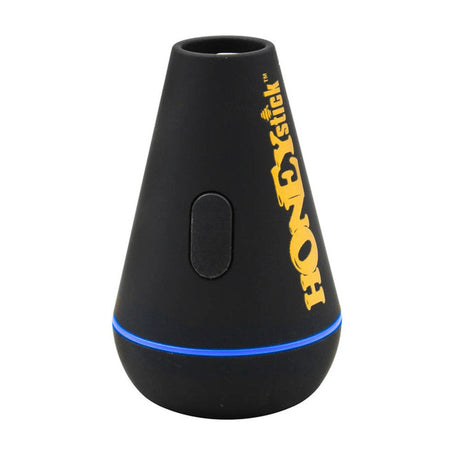
HoneyStick
Aerobee Nano 510 Thread Battery - Black
Sale price $2900 CAD Regular price $5799Unit price -
-
- 20% off
-
- Sold out
-
 Sold out
- Sold out
-
- Sold out
HoneyStick
Regular price $3499 CADUnit price -
-
 Sold out
- Sold out
-
- Sold out
-
- Sold out
-
- Sold out
-
-
- Sold out
-
- Sold out
Cartisan
Regular price $4999 CADUnit price -
- Sold out
-
 Sold out50% off
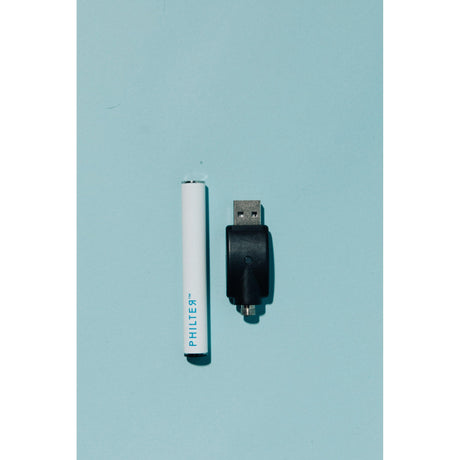
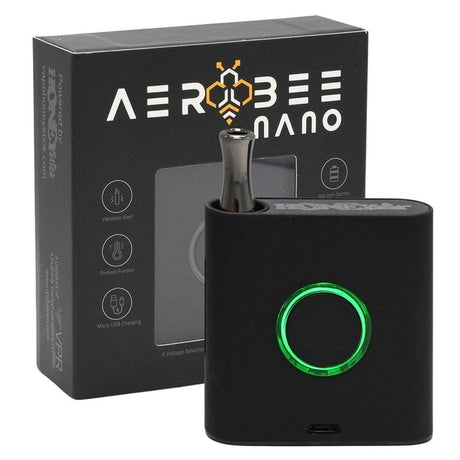
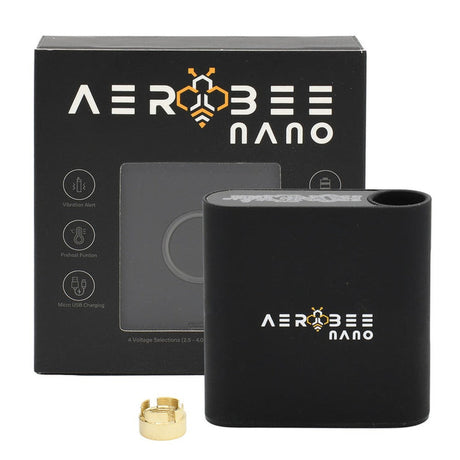







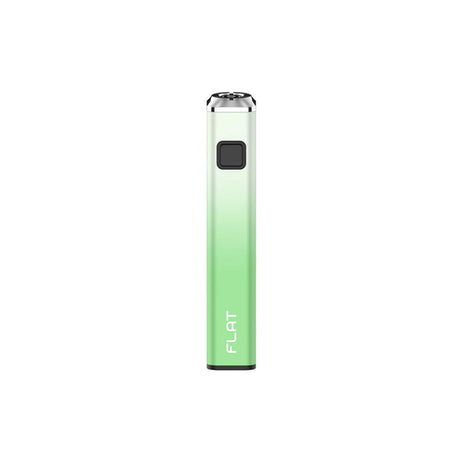
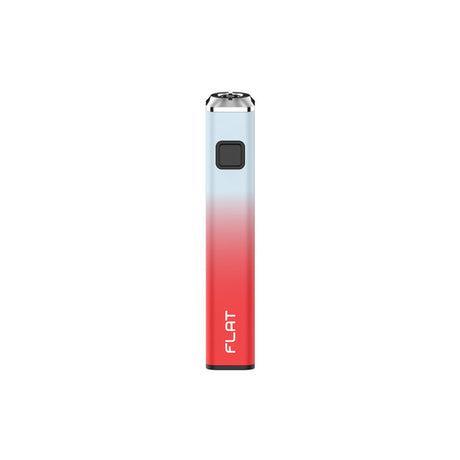
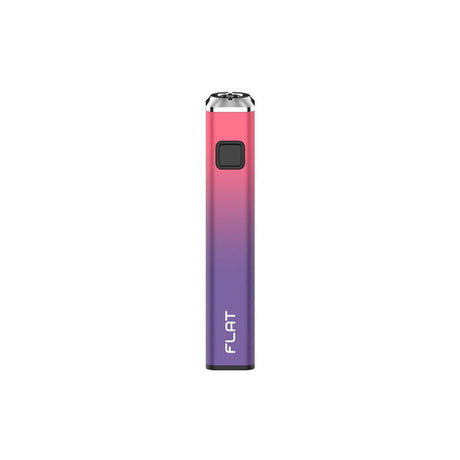
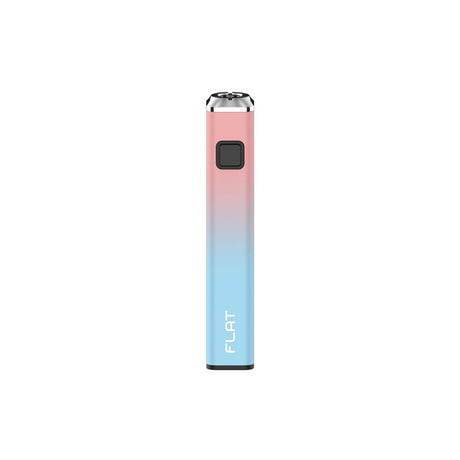





WHAT TO KNOW BEFORE BUYING 510 THREAD BATTERIES & CARTRIDGES
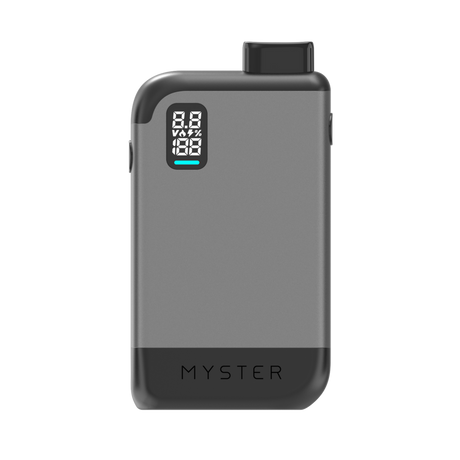
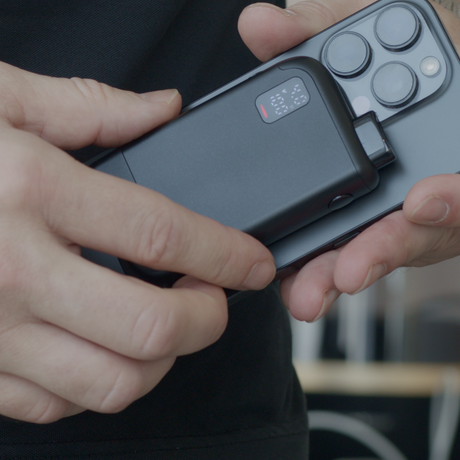
The battery you pick changes everything about how your cart performs, and most people don't realize that until they've already burned through a cartridge on the wrong voltage setting. Smoke & Vape carries cart batteries across a wide range of formats and control styles, from dead-simple autodraw pens to OLED box mods from Yocan and Cartisan that let you dial in voltage to the decimal, because the right amount of control depends entirely on how hands-on you want to be. A basic twist-dial pen works fine if you just want to pull and go, but if you're running thicker oil or want to stretch a cart further, adjustable voltage isn't a luxury. The format matters too: pen-style batteries pocket easily, box mods sit flat and don't roll off surfaces, and hybrid units like the RYOT 710 FLIP Oil Battery Kit let you run both carts and wax without carrying two separate pieces.
| Product | Best For | Why We'd Recommend It | One Thing to Know |
|---|---|---|---|
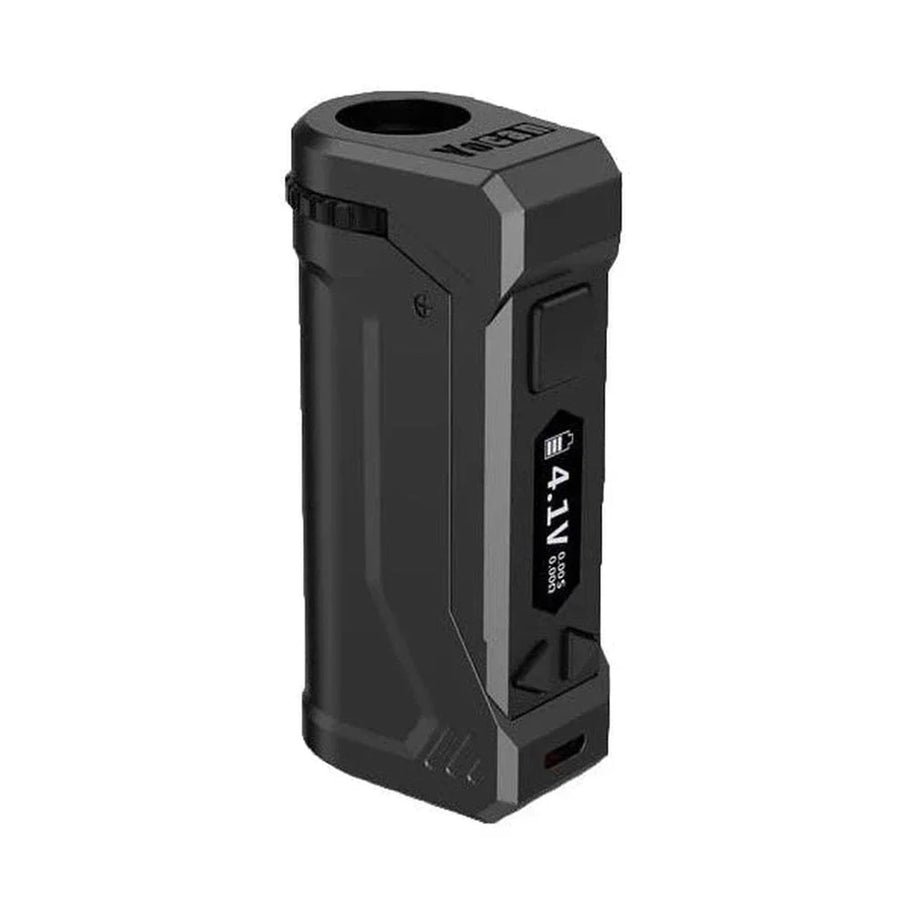 Yocan UNI Pro Digital Box Mod 510 Thread Battery |
People who want to dial in voltage precisely, especially with thicker oils | The OLED screen and precision voltage control make it easy to find a setting that stops carts from tasting cooked. | It’s a box mod, so it’s chunkier than a pen in a front pocket. |
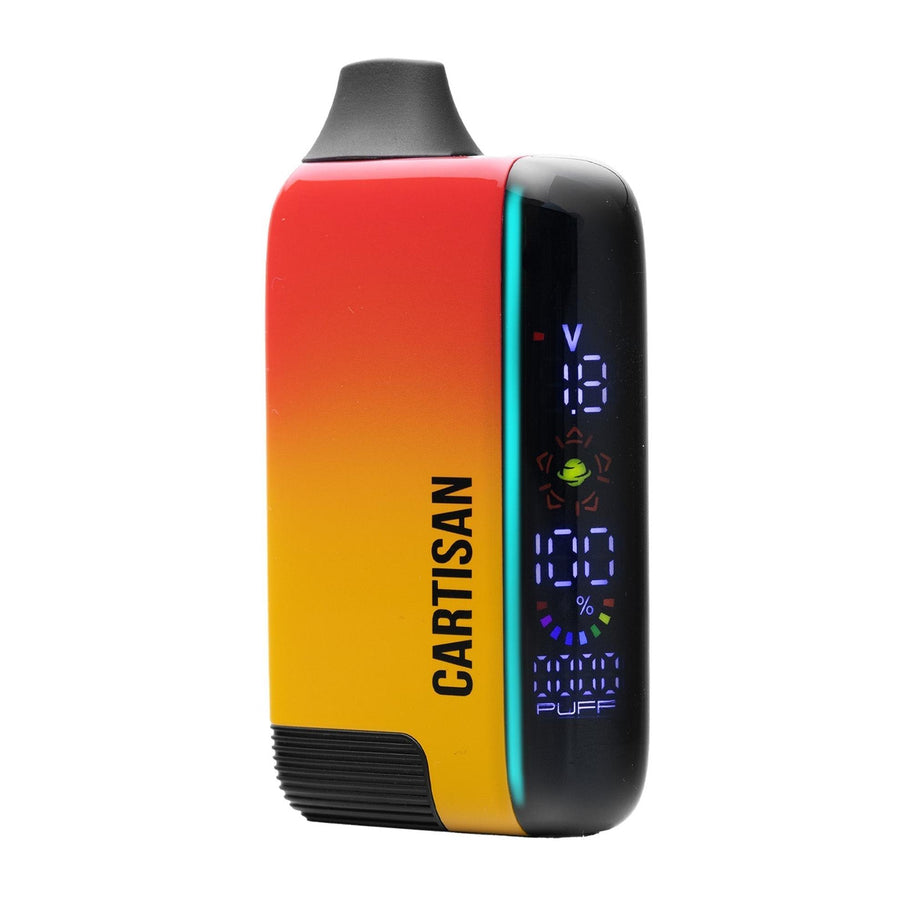 Cartisan Veil Bar Pro EVO 510 Battery |
Someone who likes seeing their settings and keeping tabs on use | The digital display shows voltage, battery life, and puff count, so you’re not guessing mid-session. | The built-in mouthpiece body is bulkier than a standard stick battery. |
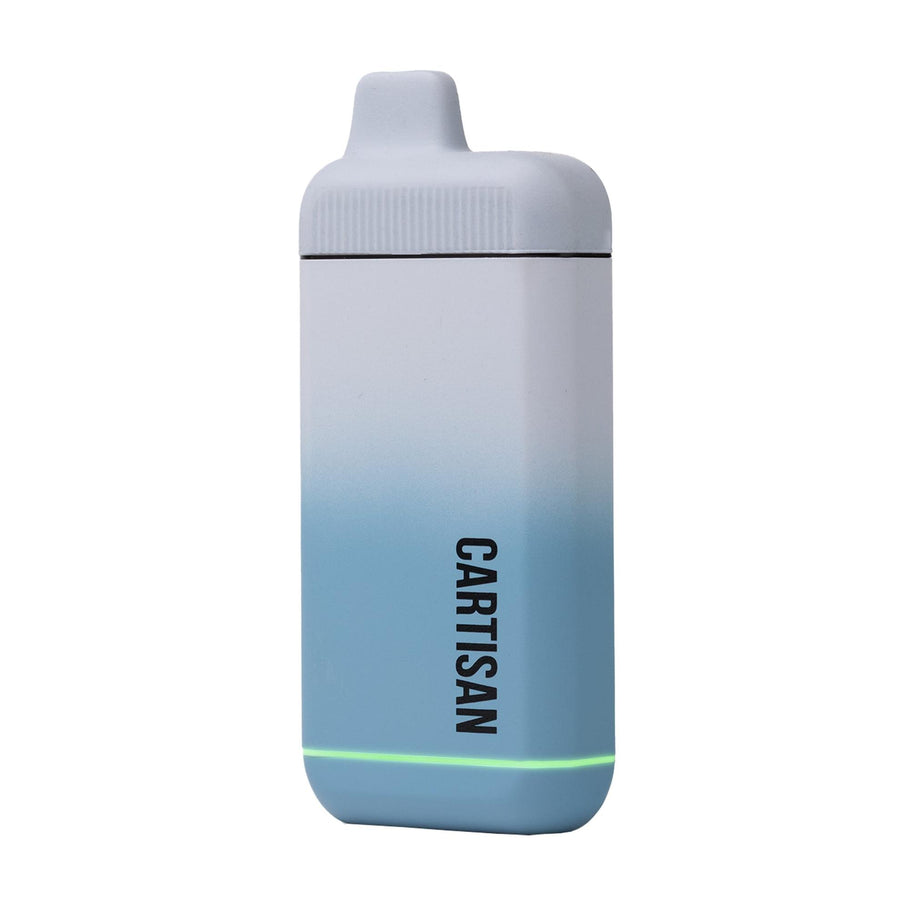 Cartisan Veil Bar Flow 510 Battery |
Hands-free hits while you’re doing something else (walking, gaming, chores) | Flow Mode is made for pull-and-go use without having to babysit a button. | The “hands-free” style can be too much airflow for people who prefer short, controlled pulls. |
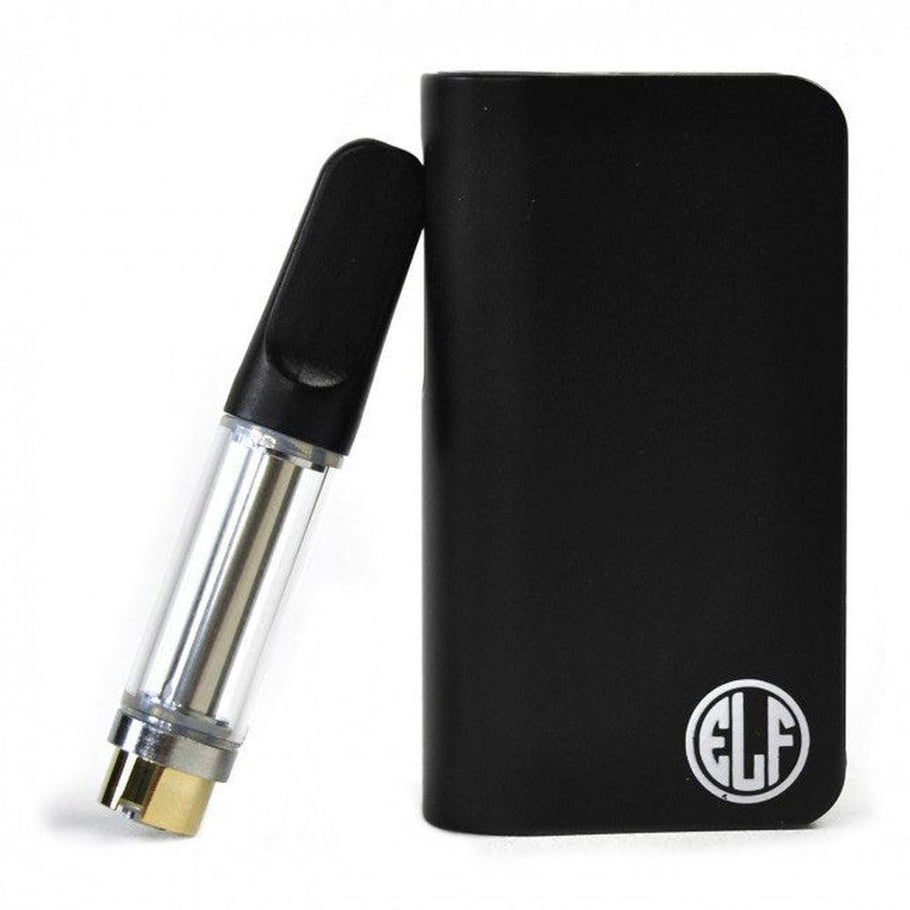 HoneyStick Elf Conceal Wide 510 Thread Battery |
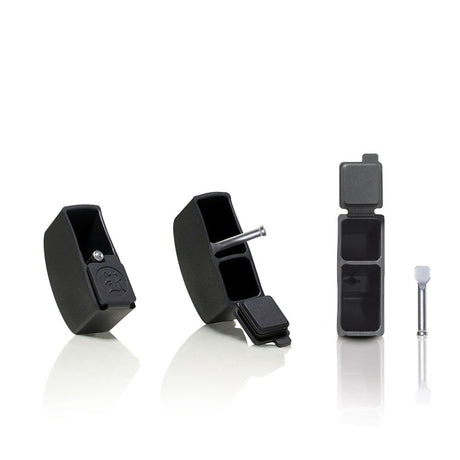
Anyone who wants a cart hidden away in a compact body | The wide conceal design keeps the cartridge protected and out of sight for pocket carry. | Some wider carts can be a snug fit in concealer-style housings. |
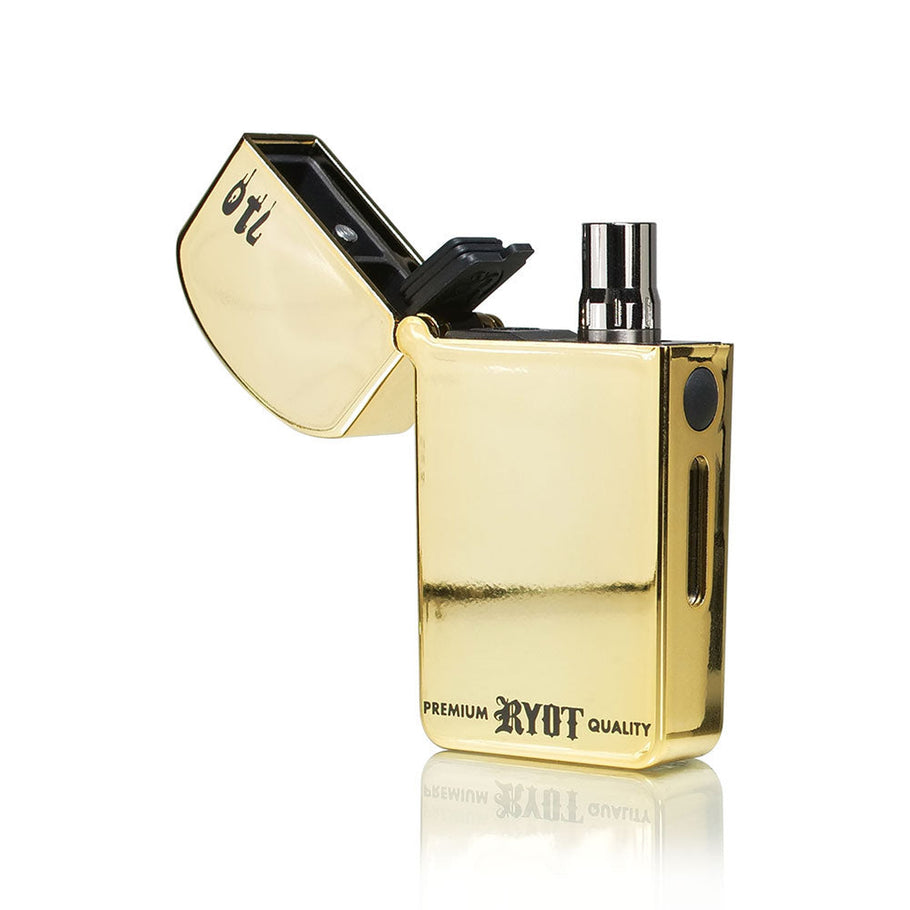 RYOT 710 FLIP Oil Battery Kit |
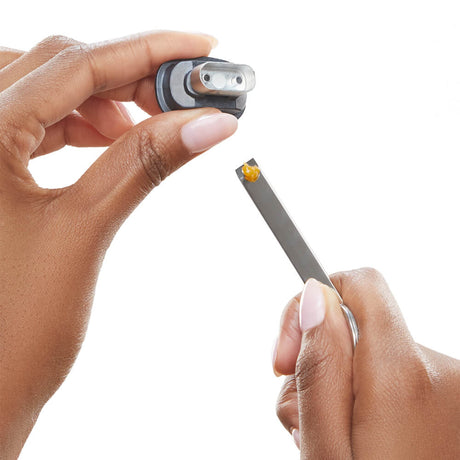
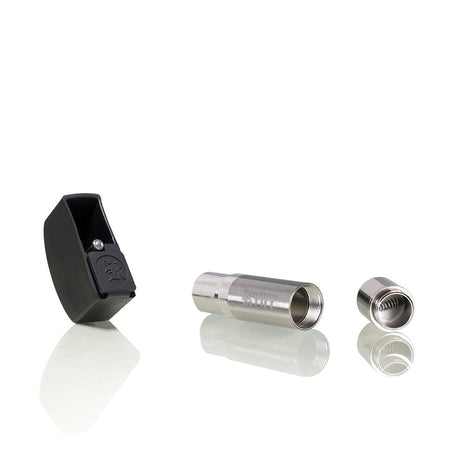
Someone switching between 510 carts and wax and wants one grab-and-go setup | It runs 510 cartridges and includes a refillable wax tank plus tools and storage built in. | Wax tanks and coils are consumables, so plan on replacing parts over time. |
If you want the most control over flavour and heat, go UNI Pro and set your voltage exactly where your cart likes it. If you want a screen but prefer an all-in-one, mouthpiece-style device, Veil Bar Pro EVO is the pick, and if you want the least thinking, Veil Bar Flow is built around hands-free pulls. Need discretion or protection in a pocket, grab the Elf Conceal Wide, and if you bounce between carts and wax, the 710 FLIP keeps it all in one kit.
What Every Buyer Should Understand About 510 Thread Batteries & Cartridges
Voltage, form factor, and activation style all look like minor details until one of them ruins a cart. This guide breaks down what those specs actually do, why certain designs behave differently in practice, and what we see go wrong when people skip past the details.
Why Voltage Range Matters More Than the Number on the Box
Most batteries list a voltage range, and most people pick a number somewhere in the middle without knowing what they're actually changing. Voltage controls how much heat reaches the coil inside your cartridge, and that heat determines whether the oil vaporizes cleanly or scorches. Run too high and you'll burn the terpenes before they reach you, which is why carts start tasting harsh and flat before they're empty. Run too low on a thick oil and the viscosity keeps it from wicking properly, so you pull mostly air. Batteries like the Yocan Kodo Pro let you read resistance on the OLED screen alongside voltage, which tells you a lot about how your specific cart is behaving, not just what the battery is outputting.
What Autodraw Actually Does to Your Pull
Autodraw batteries fire the coil the moment airflow is detected through the mouthpiece, which sounds simpler than a button but introduces a tradeoff most people don't think about. The sensor has to balance sensitivity against false fires: too sensitive and the battery fires in your pocket, too conservative and you're pulling hard before it kicks in. Button-activated batteries give you a fixed, consistent fire every time because you control the exact moment current flows. Autodraw suits people who want no buttons to press, but if you notice your hits feel inconsistent or you're getting dry pulls, the activation threshold is usually why. Some batteries like the HoneyStick Twist offer both modes so you're not locked into one approach.
How Battery Capacity Affects More Than Just How Long It Lasts
Milliamp hours (mAh) is the spec people check for battery life, but it also affects how the battery performs at the end of a charge cycle. As a lithium battery drains, its output voltage drops slightly, which means your last few sessions of the day are running at a lower effective voltage than your first. A higher capacity battery holds its output more consistently across the full charge because it spends less time in the low end of that curve. The Yocan Ziva Pro lists a 650mAh battery, which is on the higher end for a pen-style unit and one reason it maintains consistent draws across a full day of use. If you're noticing your cart hits differently by evening, it's often the battery fading, not the oil changing.
The Real Difference Between Concealer and Standard Pen Designs
Concealer-style batteries house the cartridge inside the body rather than exposing it on top, and the practical difference goes beyond how it looks in your pocket. When a cart is threaded into a standard pen and carried around, the connection point takes stress every time it gets bumped, and the exposed mouthpiece collects lint and debris. A concealer body protects both the cart and the thread connection, which extends cart life in a way that's easy to underestimate. The tradeoff is fit: concealer housings are sized for specific cart diameters, so wider carts can bind or not seat fully, which causes inconsistent contact and weak hits. The HoneyStick Clear Concealer specifies compatibility from 0.5ml to 2.0ml carts, so checking your cart's diameter against the housing spec before buying is worth the thirty seconds it takes.
What Dual Cartridge Batteries Actually Require You to Plan For
Dual 510 batteries like the HoneyStick DUO hold two carts at once and let you switch between them, which seems straightforward until you realize both carts are drawing from the same battery simultaneously in some designs, or that the voltage setting applies to both slots at once. If you're running two carts with different oil viscosities, one will almost always be at the wrong voltage for its coil. The smarter use case is running two carts with similar oils and alternating between them to extend the life of each, or keeping a backup loaded so you're not swapping mid-session. It's a format that rewards people who think about it in advance, not a plug-and-play upgrade over a single-cart battery.
Frequently Asked Questions
What does "510 thread" actually mean, and why is it the standard for vape cartridges?
The "510" refers to the threading specification on the connection point between a battery and a cartridge: 10 threads at 0.5mm pitch. That's the technical definition, but what it means practically is that almost every pre-filled oil cartridge sold in Canada and the US is designed to screw onto the same style of connector. It became the industry standard years ago, and the market consolidated around it to the point where you can reasonably expect a cartridge from one brand to fit a battery from a completely different brand.
The reason it stuck is simple: it works, it's durable, and it creates a reliable electrical connection without requiring any proprietary system. Unlike some pod-style vapes that lock you into buying both the battery and the pods from the same company, 510 thread keeps your options open. You can swap cartridges between batteries, try different hardware without replacing everything, and find a battery that actually suits how you use it.
That said, "fits" and "works well" aren't always the same thing. The thread will connect, but voltage compatibility, cart diameter, and coil resistance still matter for getting a good experience. A battery like the Vessel Core or the Yocan Kodo Pro will physically accept the same cart as a basic twist-dial pen, but how you set it up changes what you actually taste and feel. The standardisation of 510 thread gave the whole category flexibility; what you do with that flexibility is where the real decisions start.
Will any 510 thread battery work with any 510 cartridge?
Physically, yes, almost any 510 battery will accept almost any 510 cartridge. The threading is standardised, so they screw together. But "it connects" and "it performs well" are two different things, and conflating them is one of the most common reasons people end up with a cart that tastes burnt or barely produces vapour.
The main variable is voltage. Different carts have different coil resistances, and different oil viscosities respond better to different heat levels. A thicker distillate cart usually needs more voltage to pull cleanly, while a live resin or terpene-heavy oil often performs better at a lower setting to preserve flavour. If your battery is fixed at a voltage that's too high for your cart, you'll cook the oil. Too low, and the oil won't wick fast enough to give you a full hit. This is exactly why variable voltage batteries like the Yocan UNI Pro Digital Box Mod 510 Thread Battery or the Cartisan Veil Bar Pro EVO 510 Battery exist: they let you find the right setting for whatever cart you're running.
Cart diameter is another consideration that matters more than people expect. Most standard carts fit a universal 510 connection just fine, but some wider-bodied carts don't sit flush inside concealer-style housings. If you're planning to use a concealer battery like the HoneyStick Elf Conceal Wide 510 Thread Battery or any of the ELF CannDual PRO models, check the housing diameter against your cart before assuming it'll seat properly. A connection that's even slightly off-centre can cause intermittent firing or weak hits, and it's not a battery problem at that point, it's a fit issue.
What is the difference between a box mod battery and a pen-style battery for cartridges?
The short version: a pen-style battery is a cylinder you hold like a marker, and a box mod is a flat, rectangular unit that sits in your palm. Both power 510 cartridges the same way electrically, but the format changes how you carry it, how you hold it, and how much control you get over the experience.
Pen-style batteries are the most common format because they're slim, pocket-friendly, and straightforward to use. Something like the Vessel Core or the HoneyStick Digital 510 Thread Battery slips into a jacket pocket without adding bulk, and most of them have a single button or no button at all. The tradeoff is that pen batteries tend to have smaller capacity and, in simpler models, limited voltage control. They're excellent for people who want something grab-and-go without a lot of settings to manage.
Box mods like the Yocan UNI Pro Digital Box Mod 510 Thread Battery and Yocan Kodo Pro give you more precision because they have the physical space for an OLED screen, dedicated adjustment buttons, and sometimes resistance readouts. That extra information makes a real difference when you're dialling in a specific cart. The Yocan Kodo Pro, for example, shows voltage, resistance, and puff count simultaneously, which tells you a lot about how your cart is actually behaving. The tradeoff is size: a box mod is thicker and less comfortable in a front pocket, though it sits flat on a surface without rolling.
If you're new to cartridges and just want something simple, a pen is almost always the right call. If you've been using carts for a while and want more control over flavour and heat, or you're running carts with variable oil thickness, a box mod gives you the tools to actually tune the experience.
How do I know when my 510 battery needs to be replaced rather than just recharged?
Most 510 batteries will tell you they're low before they quit on you. LED indicators cycle through colours as charge depletes, and batteries with screens, like the Cartisan Veil Bar Pro EVO 510 Battery or the Yocan Kodo Pro, show you battery percentage directly. If you're seeing a low-battery indicator, plug it in before your next session and it should recover fine.
The sign that something is actually wrong, rather than just depleted, is when the battery behaves inconsistently after a full charge. If you charge it overnight and it's already struggling after a handful of pulls, the cell is likely degrading. Lithium batteries have a finite number of charge cycles, and over time they hold less and less of their original capacity. You might notice the hits feel weaker than they used to at the same voltage setting, or the battery reading drops faster than it once did.
Another red flag is physical damage to the connection point. If the 510 thread is visibly bent, corroded, or the centre pin isn't making consistent contact, you'll get intermittent firing or no firing at all. Before assuming the battery is dead, try cleaning the connection with a cotton swab. Sometimes oil migrates down into the threading from a leaky cart and interrupts the contact. If cleaning doesn't resolve it and the battery is charging but not firing reliably, that's usually the end of its useful life.
Batteries without screens are harder to read, which is one practical reason to consider a model with a display. With something like the HoneyStick Digital 510 Thread Battery, you can see your actual voltage and battery level rather than guessing from a colour indicator.
Can I use a 510 cart battery for wax concentrates without buying a separate device?
You can, but it depends on the battery and what you add to it. A standard 510 thread battery on its own is designed to power pre-filled cartridges, not raw wax. Wax needs a different kind of atomizer, one with a coil or ceramic element that can handle direct concentrate loading rather than a wick drawing from a sealed oil reservoir.
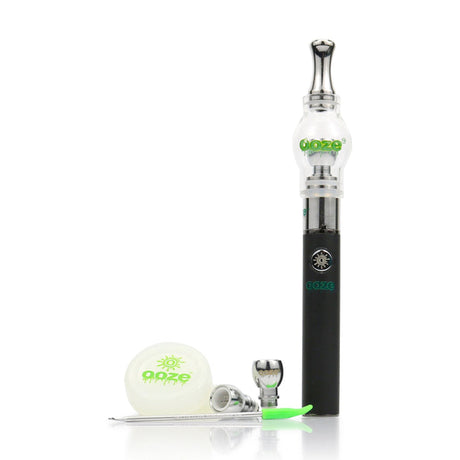
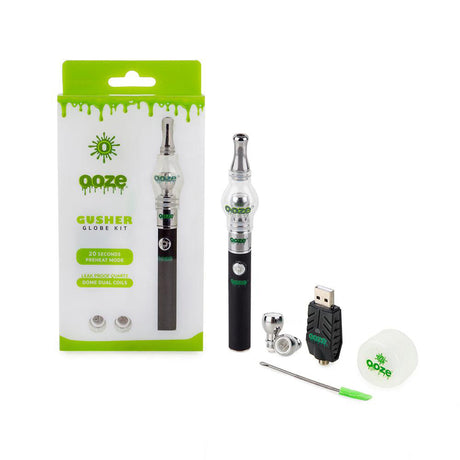
The practical path is a wax tank attachment that threads onto your existing 510 battery. The RYOT 710 FLIP Oil Battery Kit is exactly that: a refillable wax tank that screws onto a compatible 510 battery and converts it into a basic dab pen. The kit includes a silicone storage container and a dab tool, so you're not buying pieces separately. RYOT also sells extra coils for it, which matters because coils are a consumable and will need replacing over time.
If you want a device built to do both from the start, the RYOT 710 FLIP Oil Battery Kit comes as a complete kit with the battery, wax tank, silicone storage, and dab tool all included. The HoneyStick Pocket Plasma Dab Pen and 510 Thread Battery is another option that's designed to handle both wax concentrates and 510 cartridges without needing conversion accessories.
The honest caveat is that a converted cart battery is a workable solution but not the same experience as a dedicated dab pen or e-rig. If you're dabbing occasionally and want to keep your kit minimal, a wax tank attachment makes sense. If concentrates are your main thing, a purpose-built device will serve you better in the long run.
What is the difference between a fixed voltage battery and a variable voltage battery for cartridges?
A fixed voltage battery outputs one voltage level every time you fire it, no adjustment, no settings. You press the button (or draw, if it's autodraw) and it fires at whatever voltage the manufacturer decided on, typically somewhere in the 3.3V to 3.7V range. These are usually the simplest and most affordable batteries: the HoneyStick 510 Thread Battery Autodraw is a good example of the format. They work well when you're using cartridges consistently and the fixed voltage happens to match what your oil needs.
Variable voltage batteries let you change the output, either through a twist dial at the base or through buttons paired with a screen. Twist-dial batteries like the HoneyStick Twist 510 Thread Battery rotate through a voltage range continuously, so you can find a spot that works for your cart without jumping between fixed steps. Button-and-screen setups like the Yocan UNI Pro Digital Box Mod 510 Thread Battery or the HoneyStick Digital 510 Thread Battery give you more precise control, letting you set a specific voltage and confirm it on the display rather than estimating by feel.
The real-world difference shows up most when you're switching between cartridges. If you always use the same cart from the same brand, a fixed voltage battery might serve you fine. But if you're trying different products, running both thinner and thicker oils, or you're just particular about flavour, variable voltage is worth having. Running a live resin cart at the same voltage as a thick distillate cart is going to produce a noticeably worse experience on one of them. The ability to drop the voltage for a flavour-forward cart and bump it up for a viscous oil is what variable voltage is actually for.
What should I check before buying a 510 battery if I plan to use it with a specific cartridge brand?
The first thing to check is cart diameter. Most standard 510 cartridges are 10mm or 11mm wide, which fits the majority of batteries without issue. Where this matters most is with concealer-style housings that enclose the cartridge inside the body. If your cart is wider than the housing is designed for, it won't seat fully, and you'll get a bad connection. The HoneyStick Clear Concealer, for example, specifies compatibility from 0.5ml to 2.0ml carts, and the ELF CannDual PRO dual concealer has its own housing dimensions. Always compare the cart's diameter against the battery's spec before ordering.
Coil resistance is the next thing worth knowing. Most 510 cartridges fall in the 1.0 to 2.0 ohm range, and most batteries are designed to handle that without issue. Where it gets specific is if you're using a cart with a ceramic coil or a lower-resistance atomizer, which can draw more current than some simpler batteries handle cleanly. A battery with an OLED readout like the Yocan Kodo Pro shows resistance alongside voltage, so you can confirm your cart is within the operating range and adjust accordingly.
Also worth considering is whether your cart brand uses a recessed centre pin or a raised one. Some cartridges have a slightly recessed contact that doesn't make reliable contact with batteries that have a fixed-depth pin. Batteries with spring-loaded centre pins, like the HoneyStick Digital 510 Thread Battery, compensate for this automatically. If you've ever had a cart that fires fine on one battery but not another, an incompatible pin depth is usually the reason.
What accessories do I need to get the most out of a 510 thread battery setup?
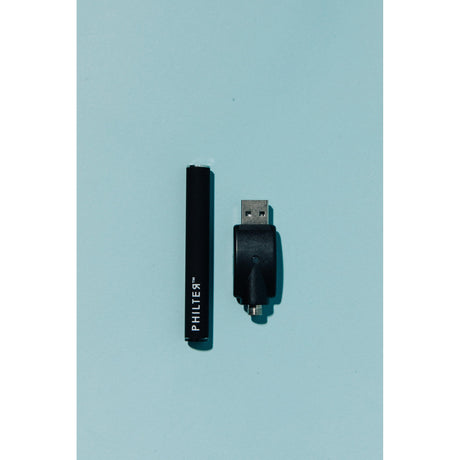
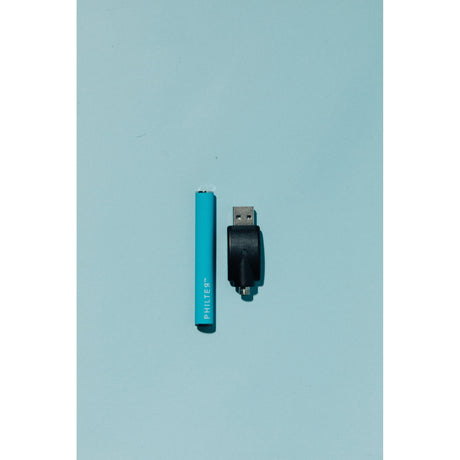
The one thing most people don't buy until they regret not having it is a spare charger. If you're using a battery that charges via USB-C, you probably have cables around already, but some older batteries use proprietary 510 thread USB chargers that aren't interchangeable with anything else in your drawer. HoneyStick sells USB chargers for 510 thread batteries separately, and picking up a backup when you buy the battery is worth doing. Running out of charge mid-session because your only cable is across the room gets old quickly.
If you're using a dual cartridge battery like the HoneyStick DUO or the ELF CannDual PRO, a magnetic adapter kit is worth looking at. The RYOT VERB Magnetic Adaptor Kit fits 0.5ml and 1ml cartridges and lets you swap carts in and out without unscrewing anything. It's a small convenience that makes a noticeable difference if you're switching between two carts regularly.
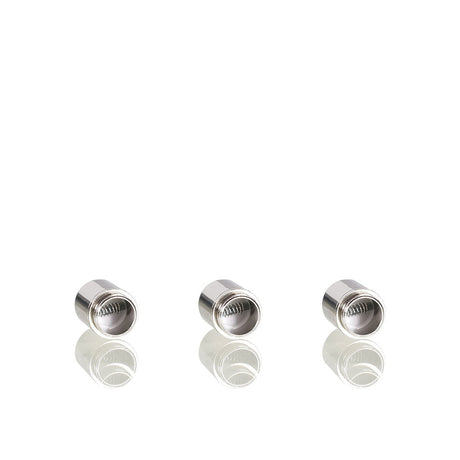
For anyone adding wax capability to their setup, the RYOT Extra Coils for 710 Wax Tank are a practical addition from the start. Coils are consumables that degrade with heat and use, and having replacements on hand means you're not waiting on a reorder when performance drops. Similarly, RYOT sells a standalone dab tool pack that's useful if you're loading a wax tank and don't want to use a makeshift tool.
Last, if you're buying a battery that doesn't have a protective case built in, a silicone sleeve or a small carrying case keeps the threading and the cart protected in a bag or pocket. The Ooze Armor Silicone Bowl is designed for 510 batteries and adds grip while protecting the connection point, which is the part most vulnerable to impact damage from drops.